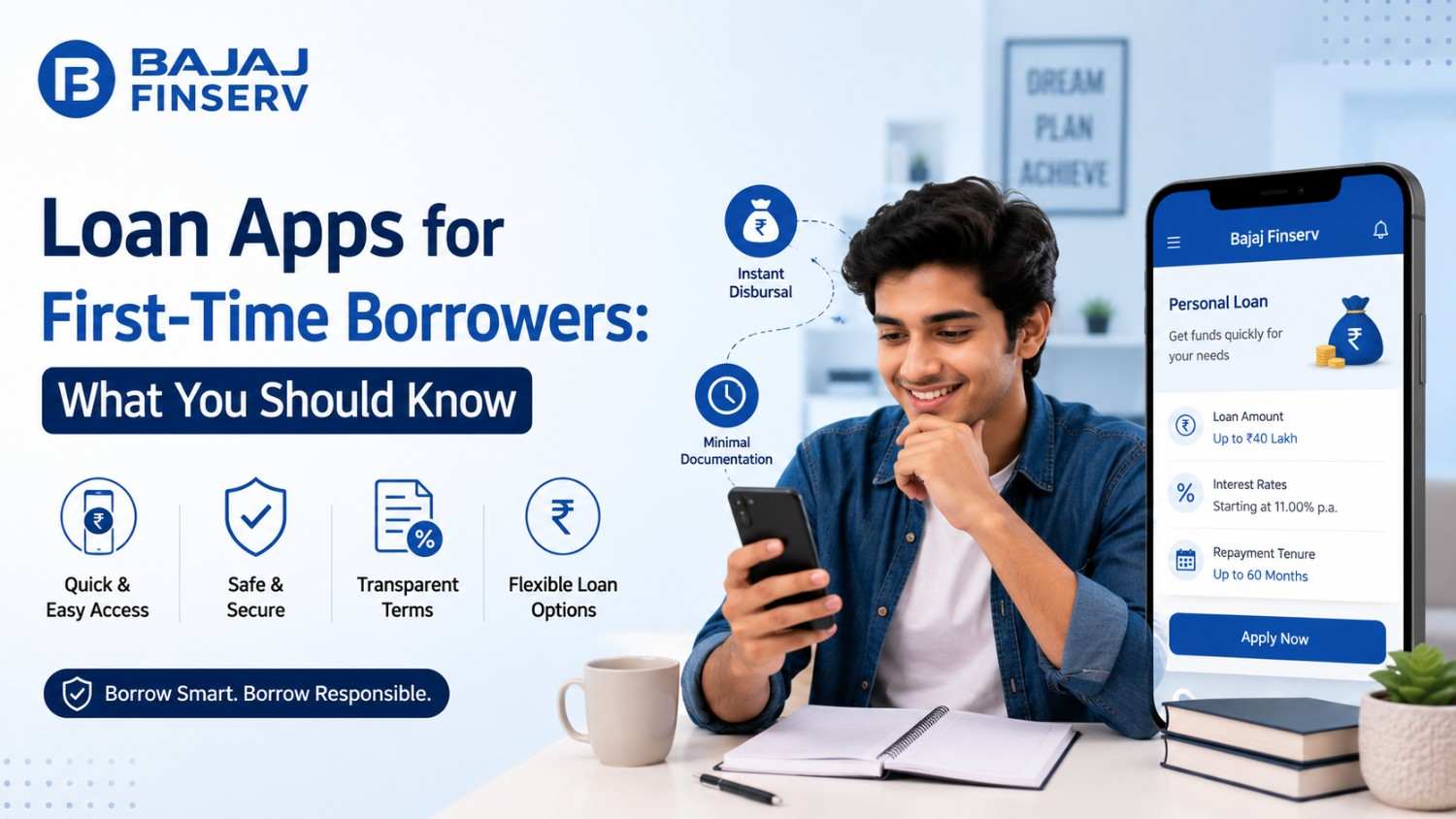
First-time borrowing feels simple now. Maybe too simple sometimes. A few taps on a phone, basic KYC, instant approval notifications, and suddenly, money lands in the account faster than many people expect.
That convenience is exactly why digital borrowing through a loan app has grown so quickly across India. But easy access also creates a problem for new borrowers. Many understand how to receive the money. Very few fully understand what happens after the repayment cycle begins.
Borrowing for the first time is more than just getting approved
This is the part people usually ignore initially. A loan is not simply quick access to cash. It’s a financial commitment that affects future borrowing ability, monthly cash flow, and credit behaviour. Most first-time borrowers focus heavily on:
- Approval speed
- Maximum eligible amount
- Instant disbursal promises
But lenders look at completely different things. They evaluate:
- Repayment consistency
- Financial discipline
- Income stability
- Existing liabilities
- Credit behaviour over time
That difference matters much more later.
Digital loan apps changed how people borrow completely
Traditional borrowing used to feel slow and formal. Branch visits. Physical documents. Long approval timelines. Multiple verification steps. A modern instant loan app works differently. Most platforms now allow users to:
- Apply online
- Upload documents digitally
- Complete KYC remotely
- Track approval status instantly
- Receive funds directly into bank accounts
For younger salaried professionals in particular, the process feels natural because it works like other digital financial tools they already use daily.
That convenience is one reason digital lending expanded so aggressively in India.
Instant approval does not mean instant affordability
This is where many first-time users make mistakes. A loan app personal platform may approve a larger amount than the borrower actually needs. Seeing higher eligibility creates psychological temptation.
Someone needing Rs. 60,000 may suddenly qualify for Rs. 3 lakh. That doesn’t automatically make borrowing the larger amount sensible. Eligibility and affordability are completely different things.
In practice, a smaller, more manageable instant loan often leads to healthier repayment behaviour than borrowing aggressively on a first loan.
Credit score awareness matters from the very beginning
A surprising number of new borrowers assume smaller digital loans don’t affect credit history much. They absolutely do. Every repayment made through a loan app contributes to the development of your credit profile. Timely EMI payments gradually strengthen financial credibility. Missed payments do the opposite.
And the long-term impact becomes important later, while applying for:
- Vehicle loans
- Home loans
- Credit cards
- Business financing
Even a first-time borrower with no prior credit history starts building a financial reputation immediately after taking a loan. That process begins from the very first EMI.
EMI structure matters more than most beginners realise
People often focus on the total loan amount first. But monthly repayment pressure affects daily life much more directly. A shorter tenure may reduce the total interest paid, but the monthly EMIs become higher. A longer tenure lowers EMI burden while increasing total repayment cost.
This is why repayment planning matters before accepting any offer from an instant loan app. For example:
- A stable salaried employee may comfortably manage higher EMIs with shorter tenure
- Someone with variable freelance income may prefer smaller EMIs over a longer duration
There’s no universally correct structure.
The right tenure depends entirely on income consistency and existing financial obligations.
Multiple applications can quietly damage approval chances
This happens constantly among first-time borrowers. One app rejects the application, so the borrower immediately applies across six or seven platforms simultaneously. That usually backfires.
Most formal loan applications trigger credit enquiries. Too many enquiries in a short period can negatively affect future approvals, as lenders may interpret the behaviour as financial distress or credit hunger. A smarter approach is simpler:
- Check eligibility first
- Compare platforms carefully
- Apply selectively
Rushed borrowing behaviour creates avoidable problems later.
Instant loan apps are convenient, but discipline still matters
Technology made borrowing faster. It did not remove financial responsibility. A good loan app personal platform helps users track:
- EMIs
- Repayment dates
- Outstanding balance
- Interest obligations
- Tenure progress
But the borrower still needs repayment discipline.
Late EMIs may lead to:
- Penalty charges
- Lower credit score
- Reduced future eligibility
- Higher borrowing difficulty later
Convenience should not create careless repayment habits.
First-time borrowers should understand the total cost, not just the EMI
This is another area where people rush. A lower EMI often looks attractive initially. But many borrowers fail to calculate:
- Processing fees
- Interest over full tenure
- GST on charges
- Late payment penalties
- Foreclosure conditions
The real cost of a loan is not only the monthly EMI. It’s the total repayment amount over time. That distinction becomes important very quickly.
RBI-regulated platforms are safer for new borrowers
This matters more today than before. Not every instant loan app operates transparently. Some platforms use aggressive recovery practices, unclear fees, or poor disclosure standards.
First-time borrowers should always check whether the platform works with RBI-regulated lenders or NBFCs. Reliable platforms usually provide:
- Clear repayment terms
- Transparent fee structures
- Proper customer support
- Official lender disclosure
Platforms like Bajaj Finserv are often preferred because borrowers can more clearly verify lending structures within regulated digital ecosystems.
Borrowing repeatedly for lifestyle spending creates long-term problems
This pattern is increasing among younger users. Easy approvals sometimes encourage borrowing for:
- Shopping
- Electronics
- Travel
- Non-essential upgrades
- Short-term lifestyle spending
Occasional borrowing is not automatically harmful.
But repeated dependency on instant loan products for routine expenses creates repayment pressure very quickly. The healthiest borrowing behaviour usually comes from using loans strategically rather than emotionally.
Also Read: 6 Tips For Keeping Cosmetic Dental Work Looking Its Best
First-time borrowers should keep emergency savings separate
This point gets ignored often. Some people use their entire savings first and then borrow for emergencies later. Others borrow excessively while keeping all savings untouched.
The balance matters.
A loan app should ideally support financial flexibility rather than entirely replace financial planning.
Borrowers should still maintain:
- Emergency funds
- Monthly budgeting discipline
- Controlled borrowing habits
Loans work best as support tools, not permanent financial solutions.
Digital lending is becoming part of larger financial ecosystems
Another noticeable shift is integration. Modern platforms increasingly combine:
- Loans
- Insurance
- EMI tracking
- Credit score monitoring
- Investments
- Payment systems
inside connected digital ecosystems.
The borrowing process now feels less isolated and more integrated into everyday financial management behaviour.
That transition is changing how younger borrowers interact with credit overall.
Common mistakes first-time borrowers still make
The same issues appear repeatedly:
- Borrowing more than needed
- Ignoring total repayment cost
- Missing EMI dates
- Applying across multiple apps together
- Borrowing impulsively
- Choosing unrealistic repayment structures
Most of these mistakes are avoidable with better awareness and slower decision-making.
Conclusion
A loan app can make borrowing significantly faster and more accessible for first-time users, especially during urgent financial situations. But speed alone should never become the reason for borrowing.
The smartest first-time borrowers usually focus on repayment comfort, financial discipline, and long-term credit health rather than just chasing instant approvals.
A well-managed loan app personal experience can help build stronger financial confidence over time. Poor borrowing habits, however, can create repayment pressure much earlier than people expect.
Because ultimately, the first loan someone takes often shapes how they approach borrowing for years afterwards.


About the Author