Introduction
For both rising firms and eager public investors, an IPO is a critical turning point. For private firms, transitioning into a publicly traded corporation unlocks massive growth capital from external markets. For individual retail participants, an IPO presents a unique gateway to acquire shares at the earliest public stage. Navigating these investment avenues successfully requires a structured evaluation process and a modern digital execution setup.
What an IPO Means for Investors
When a growing business decides to launch an IPO, it lists its equity on major stock exchanges. This corporate action permits regular public buyers to transition into fractional corporate owners of the expanding business. Institutional issuers generally allocate separate allocation pools specifically for retail bidders, high-net-worth individuals, and corporate employees. Gaining entry at this ground level can occasionally offer meaningful, long-term wealth accumulation prospects for strategic capital allocators.
Key Factors to Evaluate Before Applying
- Draft Red Herring Prospectus: This statutory document must be carefully scrutinized by investors in order to check crucial financial metrics.
- Promoter Group Background: Evaluating management integrity and operational track records ensures long-term institutional corporate governance.
- Primary Capital Utilization: Reviewing whether funding proceeds target immediate debt repayment or strategic corporate expansion projects.
- Competitive Market Moat: Assessing unique product differentiators safeguards your capital from sudden sector-wide disruptions.
How to Apply Using a Trading App
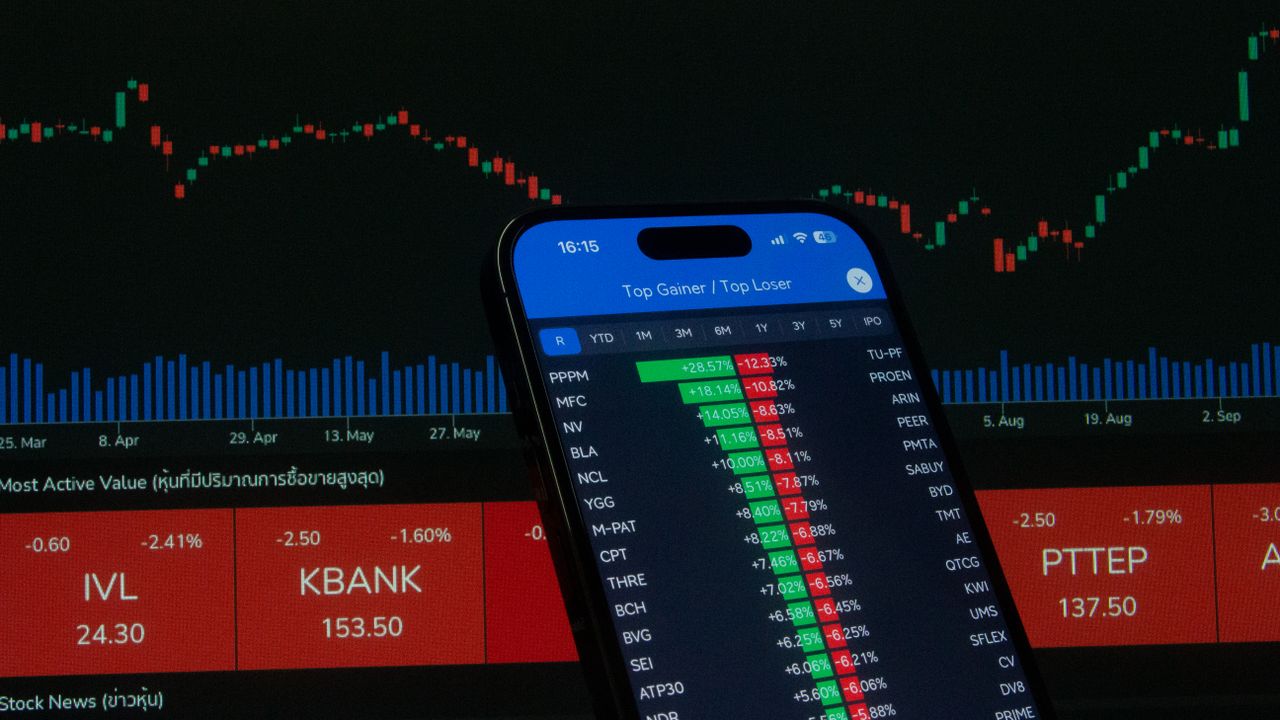
What was originally an exceedingly arduous, paper-intensive operating routine has fundamentally transformed owing to current financial technology. With a safe trading app, an investor may now quickly finish public applications in a matter of seconds. The user reviews upcoming corporate listings, selects their bidding lot size, and inputs their unique UPI identification. The application interface handles institutional fund blocking automatically via the secure ASBA mechanism without manual intervention.
Risks and Realistic Expectations
Despite the attractive allure of instant listing gains, initial public investments carry real operational capital risks. Over-subscribed issues utilize randomized lottery systems, meaning retail bidders might secure zero allocation during final allotments. Listed equities may sometimes debut significantly below their original issue price if general market sentiment becomes exceedingly gloomy. Furthermore, numerous recently listed corporations find it challenging to sustain their aggressive pre-listing growth expectations over longer time periods.
Post-Listing Considerations
The investment strategy should never terminate once the equity shares successfully debut on public exchange boards. Investors must determine beforehand whether they aim for quick listing-day profits or long-term structural wealth creation. Monitoring subsequent quarterly corporate earnings releases reveals if the management actively fulfills their original prospectus promises. Your major investment is safeguarded from unanticipated post-listing price movements by following to stringent, dispassionate exit processes.
Also Read: How to Choose the Right AIF (Alternative Investment Fund) for Your Portfolio?
Conclusion
Participating in public offerings is one of the finest ways to diversify portfolios and benefit on early company excitement. However, building long-term success demands rigorous foundational research, clear profit objectives, and careful risk management. Utilizing a robust, transparent smartphone dashboard simplifies tracking upcoming public debuts and managing payment authorizations efficiently. Making calculated choices transforms public equity listings into reliable cornerstones of a progressive, wealth-building strategy.


About the Author