The cuisine of the traditional West Africa has always been very flavorous, historic and significant. Food for many families is more than just food that is put on the table. It is a part of everyday living, family and culture.
Over the past few years, there has been more interest in such foods outside of Africa. In the UK, U.S. and Canada, and in many other countries, Nigerian, Ghanaian (and others) dishes are gaining popularity in restaurants, food markets and home kitchens.
This approach to cooking is gaining popularity for a number of reasons.
Food that feels comforting
One of the best aspects of West African cuisine is how satisfying it is.
The meals are generally made of fillers like yam, rice, cassava, beans, plantain and maize. These are mixed with soups, stews, vegetables, meat, fish and spices to make simple meals with a lot of flavours.
Lots of food is also intended for sharing. A big pot of soup or stew will feed the entire family and will feel like a staple food to anyone who is trying it for the first time.
Simple Ingredients, Strong Flavours
Some West African dishes don’t rely on elaborate preparation.
The character is largely in how the basic ingredients are put together. With the proper preparation, tomatoes, onions, peppers, leafy vegetables, ground seeds, spices and stock can be transformed into flavorful dishes.
Palm oil, crayfish, dried fish and fermented seasonings are also ingredients that lend many dishes their unique flavor.
The simplicity of the ingredients and the powerful flavors is a part of what makes people curious about the cuisine.
Traditional foods are now becoming more readily available for many
It was hard for consumers in other continents to access familiar ingredients in the past.
Modern African supermarkets, specialist food suppliers and online retailers have made traditional ingredients much more readily available these days.
Thousands of miles away from Nigeria a person can now purchase cassava products, yam flour, egusi, palm oil and many other ingredients without having to go far.
This has enabled families in Nigeria to still eat traditional foods that they are accustomed to. It has also allowed for more individuals to sample these foods themselves and get a taste.
More people are becoming familiar with Nigerian cuisine
Nigeria’s food has also been introduced to a much bigger audience through social media, cooking videos and food blogs.
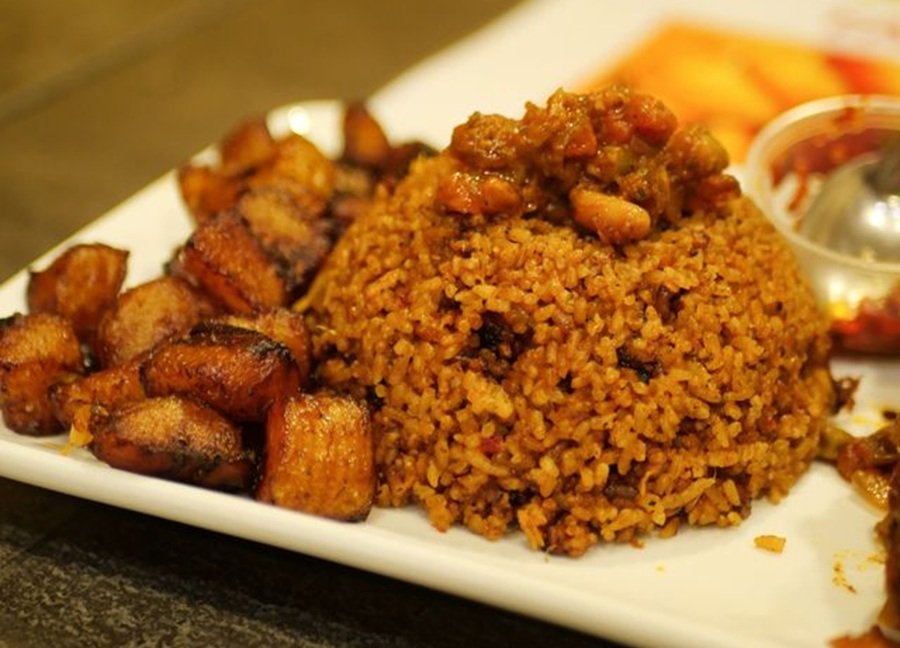
Now people can watch someone cook jollof rice from start to finish, avocado, pepper soup or the traditional swallow dish. Traditional recipes, which used to be known only within the family or the local community, are now spreading across the globe.
A good example is the traditional food called Fufu which is usually served with soups and stews. Although it appears quite basic, it’s an essential part of a lot of West African dishes and a reflection of the fact that mundane ingredients can have a significant role in food culture.
The cuisine is based on variety
The variety of food is another factor which keeps West Africans in the spotlight.
There are no rules about how to cook in Nigeria. There are regional, ethnic and family variations in food.
There are some spicy dishes. Others are mild. Some will be highly vegetable based and others will have meat, fish or seafood. Ingredients can be used in a very different way in coastal areas compared to inland areas.
This makes it ever so possible to learn something new.
Also Read: How Do Sustainable Fine-Dining Restaurants Reduce Their Environmental Impact?
Food is created as a way to thrive and survive
Individuals don’t need to prepare every dish in exactly the same manner as it was done centuries ago.
With modern kitchens, newer appliances and convenience of ingredients, cooking has undergone a transformation. Even the simple taste and traditions can be preserved.
Hence, West African foods are easy to transport. It can adjust to the modern way of life while retaining its unique personality.
As more and more people sample other cuisines, traditional West African dishes will be increasingly known the world over.
Nigerian Food Suppliers is an online tool for those interested in the Nigerian food, recipes, ingredients and suppliers. The website allows the readers to explore traditional dishes, learn about the ingredients used and get valuable information about Nigerian food products in foreign countries.


About the Author