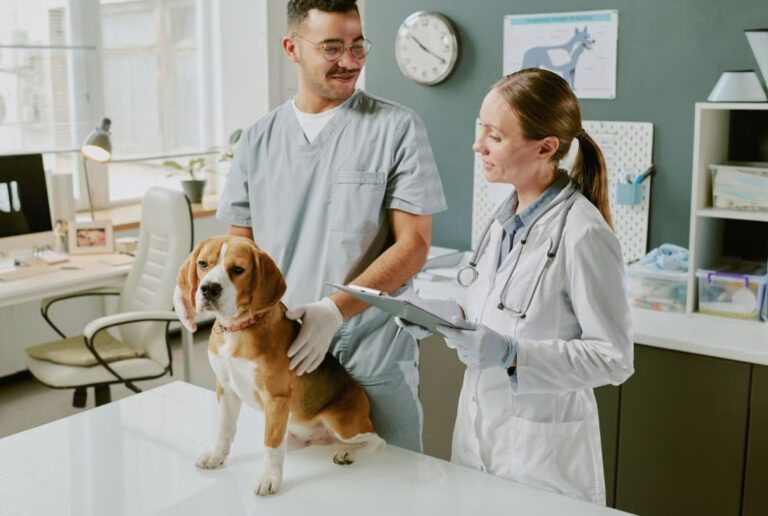
You already have enough to think about when care happens on the road. A pet is anxious, an owner is watching closely, and your mobile veterinarian setup, like Greater Monroe mobile veterinary services, has to function like a clinic in a small moving space. In that environment, storage can sound like a minor detail until a vaccine loses potency, a medication breaks down, or a sample becomes unusable before it reaches the lab.
That is the core issue. Temperature-sensitive products do not stay safe or effective just because they are sealed and packed away. Heat, cold, sunlight, frequent door openings, and vehicle movement all work against consistency. Temperature-controlled storage in a mobile veterinary vehicle protects medications, vaccines, biologics, and diagnostic materials so the care you provide in the field is the same care a patient would expect in a fixed clinic.
Mobile veterinary care depends on stable storage conditions
A mobile unit is convenient for clients and often calmer for animals, but it puts medical supplies in a harder environment. The back of a vehicle can warm up fast during a summer stop. It can also drop below safe ranges overnight in winter. Even short swings matter when products need narrow storage temperatures.
Vaccines are the clearest example. If they get too warm or freeze when they should not, they may lose effectiveness. That means an animal can appear protected without actually receiving the full benefit of the dose. The CDC vaccine storage and handling guidance explains how quickly improper temperatures can compromise product quality. Human guidance is not a direct substitute for veterinary protocols, but the principle is the same. Once potency is lost, you cannot see it by looking at the vial.
The same problem affects insulin, certain antibiotics, reproductive products, lab reagents, and collected samples. A pet owner may never know there was a storage issue. You would still be left with the cost, the risk, and the ethical burden of care that may not perform as intended.
Unstable temperatures create medical, financial, and trust risks
You feel these risks in real time. A refrigerator alarm goes off between appointments. Ice packs shift in a cooler. The vehicle sits longer than planned in traffic. You start doing mental math about product replacement, rescheduling, and whether anything in storage crossed a line you cannot ignore.
Those moments matter because the consequences stack up fast. A spoiled vaccine is wasted inventory. A damaged medication can lead to treatment failure. A compromised sample may need to be recollected, which means another visit, another charge, and another stressful day for the animal and owner. In herd or farm settings, one storage failure can affect multiple animals in a single route.
There is also a professional standard at stake. The USDA APHIS guidance for attending veterinarians reflects the broader expectation that veterinarians maintain proper oversight of animal care systems, including how medical decisions are carried out. Storage is part of that chain. If the medicine is not protected, the treatment plan is weakened before it starts.
This is why cold chain storage for mobile vets is not an upgrade for luxury practices. It is part of sound medical operations. Reliable refrigeration, continuous temperature monitoring, backup power, insulated transport, and written handling protocols reduce the guesswork that causes avoidable losses.
Mobile veterinary temperature control protects more than vaccines
People often think first about vaccines, and they should, but the risk is broader. Diagnostic samples can degrade during transport. Some compounded medications have strict storage limits. Sedation drugs, biologics, and nutritional products may all require protection from excess heat. Even supplies that are not ruined by one brief swing can become less reliable after repeated exposure.
Environmental conditions inside vehicles are less stable than many people assume. The University of Florida IFAS has published practical guidance on heat stress and animal transport conditions, and the same basic reality applies to medical storage inside working vehicles. Enclosed spaces heat up, cooling is uneven, and surfaces exposed to sun can become much hotter than the surrounding air.
A mobile veterinary vehicle storage system should be built around consistency, not convenience alone. A basic cooler may help for a short leg of travel, but it does not replace a calibrated medical refrigerator or a validated storage process.
Also Read: 4 Common Procedures Performed At Animal Hospitals
Practical storage choices affect daily care quality
| Storage Approach | Common Use | Main Risk | Better Practice |
|---|---|---|---|
| Household cooler with ice packs | Short transport between stops | Uneven temperatures, accidental freezing, no monitoring record | Use only for limited transport with a digital data logger and product separation from ice packs |
| Dorm style mini fridge | Low cost in vehicle storage | Poor temperature stability, hot and cold spots | Use a purpose-built medical-grade unit designed for mobile conditions |
| Medical grade refrigerator with monitoring | Vaccines, biologics, temperature-sensitive drugs | Higher upfront cost | Best choice for stable storage, alarms, and documentation |
| No written storage protocol | Informal staff handling | Missed excursions, inconsistent response, wasted stock | Create a clear plan for checks, logs, transport, and product quarantine |
The pattern is simple. Cheap storage often becomes expensive storage once products are lost, clients lose confidence, or treatments need to be repeated. Good systems cost more at the start and save money by preventing failure.
Three steps you can take right away
Audit every temperature-sensitive item. Make a full list of vaccines, medications, lab materials, and samples that travel in your vehicle. Note their required ranges, how long they stay on board, and where each item is stored. You cannot protect what you have not identified.
Install continuous monitoring and keep records. A digital min and max thermometer is the minimum. A data logger with alarms is better. Record excursions, quarantine affected products, and contact manufacturers when needed. Documentation protects patient care and helps you make defensible decisions.
Build a response plan before something goes wrong. Decide who checks temperatures at the start and end of the day, what backup cooling is available, how products are moved during power failure, and when stock must be discarded. Clear rules reduce panic and prevent risky judgment calls in the moment.
Reliable storage supports reliable mobile veterinarian care
Mobile practice asks a lot from you. You are expected to bring safe, effective care into driveways, barns, farms, and homes without missing a beat. Temperature control is one of the systems that makes that possible. When storage is stable, your treatments are more trustworthy, your inventory lasts longer, and your clients can feel the difference in the care they receive.
If you are reviewing your setup, start with storage before the next route. Small changes there can protect every visit that follows.


About the Author