You might be feeling a mix of worry and guilt right now. Maybe your dog just had an emergency visit that shook you, or your cat has been diagnosed with something you wish had been caught sooner. At our animal hospital in Houston Heights, TX, you replay the last few months in your head, wondering if you missed a sign or skipped an appointment that could have changed things.
That feeling is heavy. You care deeply about your pet, and you are trying to make the best choices with the information, time, and money you have. Because of this tension, you might wonder why animal hospitals keep talking about long term preventive care and yearly checkups when you are just trying to handle today.
The short answer is this. Animal hospitals focus on long term preventive care because it protects your pet from avoidable pain, it often costs less than crisis treatment, and it gives you more good years together. Preventive care is not about “selling more visits.” It is about catching small problems before they become big emergencies.
So where does that leave you if you feel behind or unsure about what your pet really needs next.
Why do vets keep pushing checkups when my pet “seems fine”
It usually starts with something small. Your dog is a little slower on walks. Your cat drinks a bit more water. You notice it, then life gets busy, and since your pet is still eating and playing, you file it away as “probably nothing.”
Months later, you might be in an exam room hearing words like arthritis, kidney disease, or diabetes. At that point, treatment is still possible, but it is harder, it is more expensive, and your pet may already be uncomfortable. This is the “before and after” that many pet owners only see in hindsight.
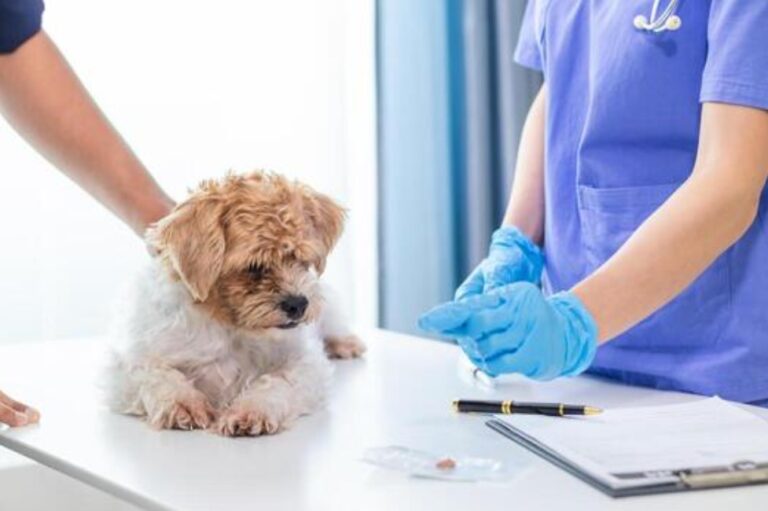
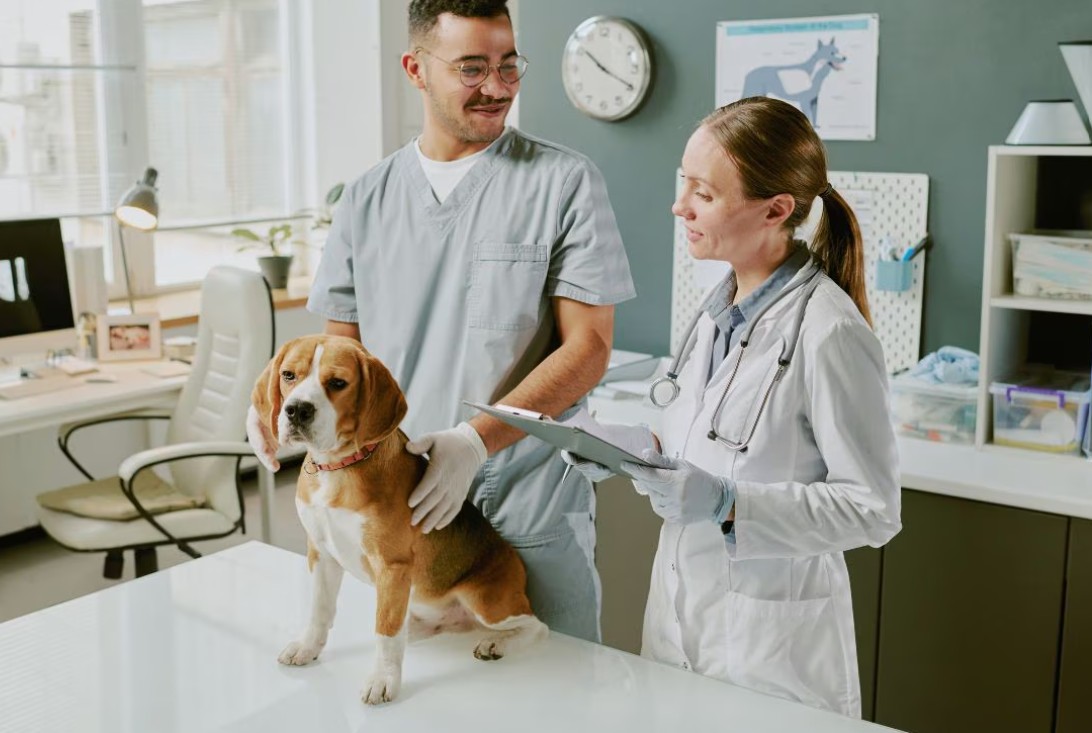
Veterinarians see that pattern every day. That is why they build care around routine wellness visits, vaccines, screenings, and preventive medicine. An annual wellness exam, like those described by many teaching hospitals, is designed to pick up the quiet changes you cannot see at home until they become obvious and urgent.
So when an animal hospital emphasizes preventive pet care over the long term, it is not about adding another line to the bill. It is about shifting the focus from crisis response to steady protection.
What actually happens in long term preventive care
It helps to break this into clear pieces, because “preventive care” can sound vague until you see what it covers over time.
First, there is the physical exam. A good annual or semiannual exam is more than a quick look. Your vet checks weight, heart, lungs, joints, teeth, eyes, skin, and behavior. Subtle changes, like a slight heart murmur or mild weight loss, can be early clues that something is starting. Veterinary teaching hospitals stress these annual wellness exams because they know how often they uncover early disease that owners had no idea was there.
Second, there are vaccines and parasite prevention. These protect against diseases that can be severe, expensive, or even fatal. Heartworm, tick-borne diseases, and some viral infections are much cheaper and easier to prevent than to treat. Preventive plans usually include heartworm tests, fecal checks, and year-round parasite control.
Third, there are lab tests and age-based screenings. Bloodwork and urine tests can reveal kidney changes, liver stress, thyroid problems, and more, often long before your pet acts sick. Research and clinical experience both show that early kidney disease, for example, can be managed more effectively and comfortably when caught sooner.
Finally, there is guidance for you. Nutrition, weight management, dental care, behavior, and lifestyle risks all come into the conversation. This is where you can ask the “small” questions that never feel small when you are worried at home.
Because of all this, animal hospitals build care plans that follow your pet from youth through senior years. They know that a young, healthy pet today is a senior pet later, and choices you make now influence how that future looks.
Is preventive care really cheaper and kinder than waiting
You might be wondering about the financial side. It is fair to ask if you are paying for visits and tests your pet “might not need.” On the surface, skipping routine care feels like saving money. The problem is that skipped prevention often shows up later as a large, urgent bill and a much sicker pet.
Consider a quiet dental issue. Regular dental cleanings and home care cost money, but untreated dental disease can lead to infections, tooth loss, pain while eating, and even heart or kidney strain. By the time the problem is obvious, your pet may need extractions, antibiotics, and advanced care. The cost is higher, and your pet has experienced months or years of avoidable discomfort.
The same pattern appears with heartworm. Monthly prevention is not free. Yet heartworm treatment is lengthy, risky, and can be several times more expensive than years of prevention. The emotional cost of watching your pet go through treatment is its own burden.
Long term preventive veterinary care is not a promise that your pet will never get sick. It is a way to improve the odds, soften the impact, and maintain quality of life for as long as possible.
Comparing “wait and see” to long term preventive care
It can help to see the difference side by side, so you can decide what fits your values and your budget.
| Approach | Short term experience | Long term impact on pet | Long term impact on cost |
|---|---|---|---|
| “Wait and see” with few checkups | Fewer vet visits. Feels cheaper month to month. | Higher risk of late diagnosis. More pain or discomfort before problems are found. | Lower routine costs, but higher chance of large emergency or advanced treatment bills. |
| Routine preventive care with an animal hospital | Regular visits and occasional tests. Costs spread out over the year. | Better chance of early detection. Issues often managed before they become severe. | More predictable spending. Often lower total cost over your pet’s lifetime. |
| Preventive care plus home monitoring | Same as routine care, plus time spent observing and recording changes at home. | Strongest safety net. You and your vet work together to catch changes quickly. | Similar medical costs to routine care, with a better chance of avoiding emergencies. |
Educational resources from veterinary teaching hospitals often show that structured preventive plans reduce crises and improve quality of life. For example, guidance on preventive pet care and wellness planning highlights how routine exams, vaccines, and testing work together to protect your pet across the years.
Three practical steps you can take right now
1. Schedule or re-establish a wellness exam
If your pet has not had a checkup in the last year, or in the last 6 months for a senior pet, start there. Call your trusted animal hospital and ask for a wellness visit, not just a quick vaccine appointment. Tell them your pet’s age and any small changes you have noticed, even if they seem minor. This gives your vet a chance to set a baseline and spot early issues.
Also Read: 6 Technologies That Make Modern General Dentistry More Comfortable
2. Ask for a simple preventive care plan for the next 12 months
During the visit, ask your veterinarian to outline a one year preventive plan. This might include vaccines, parasite prevention, dental care, and any recommended lab work based on age and breed. Many hospitals, including teaching centers that offer annual wellness exams, use these plans to help owners spread out care and costs. Having a clear plan makes it easier to budget and reduces last minute panic.
3. Watch for “quiet” changes at home and write them down
Preventive care is not only what happens at the clinic. You are with your pet every day. Start a simple note on your phone or a notebook where you track changes in appetite, water intake, energy, bathroom habits, weight, breathing, and behavior. Bring this record to each visit. Small patterns that seem random to you can be very meaningful to your vet.
Moving forward with more confidence and less regret
You may still feel a sting of regret about what you wish you had done earlier. That feeling is natural. It also means you care. The good news is that long term preventive care is about what you do from today onward, not about judging the past.
When you choose steady, preventive attention for your pet, you are choosing fewer surprises, less suffering, and more shared time that feels calm instead of crisis driven. You give your veterinary team the chance to be proactive partners instead of emergency responders.
The next step is simple. Reach out to your local animal hospital, schedule that wellness visit, and ask for a clear, down to earth preventive plan for the coming year. Your future self, and your pet, will be grateful you did.


About the Author