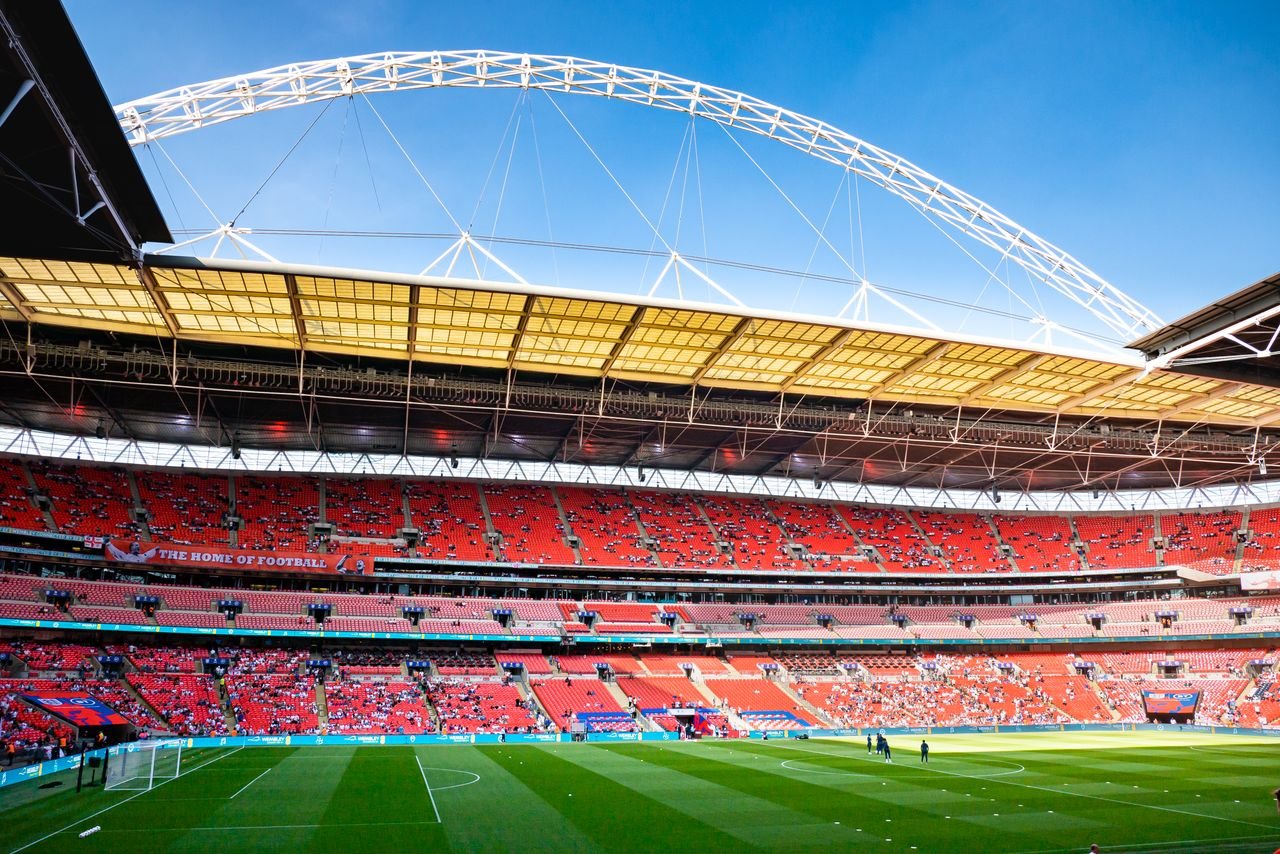
If you’re planning to attend a football match, concert, or another event at Wembley Stadium, you may be wondering: does Wembley have a roof?
Yes, Wembley Stadium has a roof. However, it is important to understand that Wembley does not have a completely enclosed or fully retractable roof that covers the entire pitch. Instead, the stadium has a large sliding roof system designed primarily to protect spectators from the weather.
The roof covers the seating areas, but part of the pitch remains exposed. This design allows natural sunlight and ventilation to reach the playing surface. Wembley Stadium itself confirms that its sliding roof protects fans from the elements, while its support information explains that the roof does not cover the pitch completely.
So, if you’re attending Wembley, you can generally expect the vast majority of the seating to be protected from rain, but you should not assume that the entire stadium—including the pitch—is completely covered.
Does Wembley Stadium Have a Roof?
Yes, Wembley Stadium has a sliding roof.
The roof sits approximately 52 metres above the pitch and forms a major part of the stadium’s distinctive architecture. Wembley Stadium’s official facts state that the roof covers more than 11 acres, with around four acres being retractable. The roof’s sliding design allows the pitch to receive direct sunlight and ventilation while helping protect spectators.
The roof is supported by Wembley’s famous 133-metre-high arch, one of the stadium’s most recognisable architectural features. The arch spans approximately 315 metres and supports a substantial portion of the roof structure.
This combination of a huge arch and sliding roof gives Wembley its distinctive appearance while allowing the stadium to function for football, rugby, concerts, and other major events.
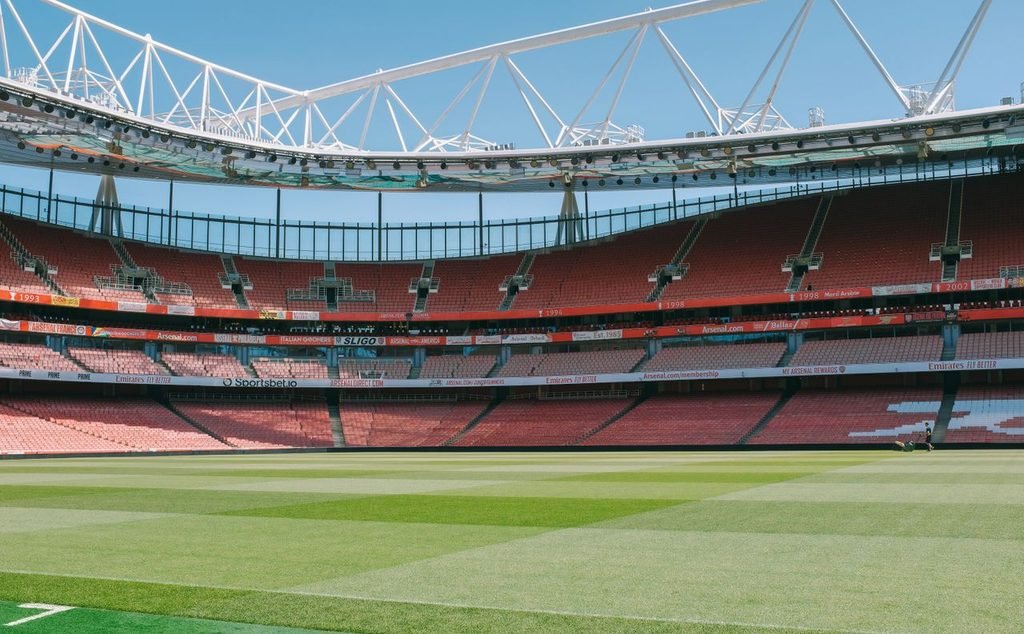
Is Wembley Stadium Fully Covered?
Wembley Stadium is not completely covered.
This is an important distinction.
The roof is designed to cover the spectators rather than completely seal the stadium. Wembley’s official support information specifically states that when the roof is fully closed, it does not cover the pitch. If rain is falling at an angle, some spectators in Level 1 seating may still get wet.
Therefore, describing Wembley as a completely enclosed stadium would be misleading.
Instead, it is better described as a stadium with a sliding roof that provides substantial weather protection for spectators.
Does Wembley Roof Close?
Yes, Wembley has a sliding roof that can move between positions.
However, the roof does not close over the entire playing field like the roofs at some fully enclosed stadiums.
When the roof is in its closed position, it provides coverage over the seating areas while leaving the pitch exposed. This is intentional rather than a design flaw.
Keeping the playing surface open allows the grass to receive natural sunlight and ventilation, which are important considerations for maintaining a high-quality football pitch. Wembley states that the sliding design allows the pitch to receive direct sunlight and ventilation.
Will You Get Wet at Wembley Stadium?
The answer depends on where you’re sitting and the weather conditions.
Most spectators benefit from the stadium’s roof coverage. However, Wembley itself warns that some guests can still get wet if rain is falling at an angle, particularly in parts of Level 1 seating.
Therefore, having a roof does not necessarily mean you can completely ignore the weather forecast.
If rain is expected, it is sensible to take appropriate precautions, particularly if you are sitting in a lower level or attending an event where you will spend time outside the covered seating areas.
What About Concerts?
Concert attendees should be particularly aware of the distinction between covered seating and the pitch.
Wembley’s official roof guidance states that people with standing tickets on the pitch can be exposed to the elements because the roof does not cover the pitch.
So if you have a standing ticket for a concert, don’t assume that Wembley’s roof means you will be protected from rain.
Why Doesn’t Wembley Have a Fully Closing Roof?
There is a practical reason for the design.
Football pitches benefit from natural sunlight and ventilation. A roof that completely enclosed the playing surface could reduce the amount of natural light and fresh air reaching the grass.
Wembley’s sliding roof allows the stadium to balance two requirements:
- Protecting spectators from poor weather
- Providing the pitch with sunlight and ventilation
The official Wembley facts specifically explain that the roof’s sliding design allows the pitch to receive direct sunlight and ventilation while helping ensure spectators are covered.
This makes the roof particularly suitable for a multi-purpose stadium that hosts sporting events and concerts throughout the year.
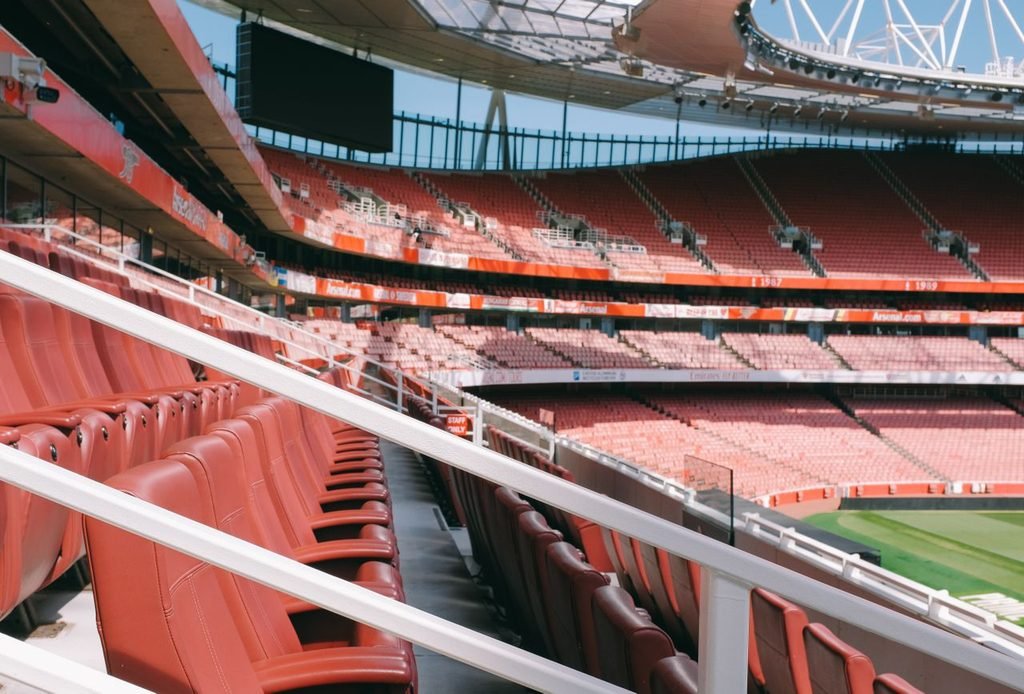
How Big Is Wembley Stadium’s Roof?
Wembley’s roof is enormous.
The official stadium facts state that the roof covers more than 11 acres, with approximately four acres being retractable. It rises to around 52 metres above the pitch.
The roof is also closely connected to the stadium’s famous arch.
The arch is approximately 133 metres tall and has a span of around 315 metres. It supports the north roof and a significant portion of the southern roof.
These dimensions contribute to Wembley’s status as one of the world’s most recognisable stadium structures.
What Is the Wembley Arch Used For?
The enormous arch isn’t simply an architectural decoration.
It plays an important structural role in supporting the roof.
According to Wembley, the arch supports all of the weight of the north roof and around 60% of the weight of the southern side.
One major advantage of this design is that Wembley does not need large supporting pillars around the seating bowl that could obstruct spectators’ views.
The result is a huge stadium with an open sightline for its 90,000 seats.
Does the Wembley Roof Protect Every Seat?
Wembley was designed to provide extensive roof coverage for spectators, and the stadium has described the venue as having a roof that covers its seating.
However, this doesn’t mean every seat is guaranteed to remain completely dry in every weather condition.
Wembley’s current support guidance specifically warns that wind-driven or angled rain can reach some Level 1 seating even when the roof is in its closed position.
Therefore, if you’re particularly concerned about rain, consider checking the weather forecast before travelling and bringing suitable clothing.
Is Wembley Stadium Open or Enclosed?
Wembley is best described as a partially enclosed stadium with a sliding roof.
The stadium has extensive roof coverage above the stands, but the playing field remains open to the elements.
This is different from a stadium with a completely retractable roof that can transform the entire venue from an outdoor stadium into an indoor arena.
Wembley’s design maintains the feel and benefits of an outdoor football stadium while giving spectators considerable protection from rain and other weather conditions.
Does the Roof Move During an Event?
Wembley Stadium’s support information says that the stadium does not move the sliding roof while visitors are inside the stadium.
This means visitors shouldn’t expect the roof to be opened or closed around them during an event.
The roof position is managed as part of the stadium’s event and operational arrangements.
If you’re attending an event, the most important consideration is therefore not whether the roof will move while you’re there, but where your ticketed position is located and what the event-specific arrangements are.
Does Wembley Roof Cover the Pitch?
No. The roof does not completely cover the pitch.
This is one of the most frequently misunderstood aspects of Wembley Stadium.
The roof provides protection over the spectator seating, but the pitch remains exposed. Wembley deliberately designed the roof in this way to allow the playing surface to receive natural sunlight and ventilation.
This is particularly important for maintaining a natural football playing surface.
What Happens During Rain at Wembley?
When the roof is positioned to provide maximum spectator protection, most people seated in the covered areas can enjoy considerably more protection from rain than they would in a completely open stadium.
However, wind direction and rainfall angle can affect individual seating areas.
Wembley specifically notes that some Level 1 guests may get wet when rain falls at an angle.
This means a roof doesn’t provide an absolute guarantee of staying dry.
If the forecast calls for heavy rain, wearing a waterproof jacket can still be a sensible precaution.
What Should You Wear to Wembley in Bad Weather?
Even though Wembley has a roof, your clothing should still reflect the weather forecast.
For a rainy day, consider:
- A waterproof or water-resistant jacket
- Comfortable footwear
- Layers if temperatures are low
- Clothing appropriate for walking to and from the stadium
- Weather-appropriate clothing if you have pitch-standing tickets
Remember that travelling to Wembley involves outdoor areas before and after entering the stadium. Depending on the event, you may also spend time in queues or walking between transport stations and the venue.
For pitch-standing concert tickets, weather protection becomes even more important because the pitch is not covered by the roof.
Does Wembley Have a Roof for Football Matches?
Yes.
The sliding roof forms part of Wembley Stadium’s design for football and other sporting events. It can provide significant protection for spectators while leaving the pitch exposed.
Wembley hosts football, rugby, American football, concerts, and other major events, so its roof is an important part of making the venue suitable for different uses.
Does Wembley Have a Roof for Concerts?
Yes, but the roof does not cover the entire concert area.
Spectators seated in the stands benefit from the stadium’s roof coverage, while people standing on the pitch can remain exposed to the weather.
This distinction is especially important when purchasing concert tickets. If you’re choosing between seated and standing tickets and weather is a concern, check the event seating plan and consider the forecast.
Is Wembley Stadium the Same as Wembley Arena?
No.
Wembley Stadium and OVO Arena Wembley are separate venues in the Wembley area of London.
The question “does Wembley have a roof?” generally refers to Wembley Stadium, England’s national football stadium.
Wembley Stadium is the 90,000-seat venue known for its enormous arch and sliding roof.
If you’re attending an event in the Wembley area, check your ticket carefully to make sure you know which venue you’re visiting.
Wembley Roof: Key Facts at a Glance
| Feature | Wembley Stadium |
|---|---|
| Has a roof? | Yes |
| Roof type | Sliding roof |
| Completely enclosed? | No |
| Does roof cover pitch? | No |
| Covers spectator seating? | Yes, extensively |
| Roof height above pitch | About 52 metres |
| Roof area | More than 11 acres |
| Retractable portion | About 4 acres |
| Famous roof support | 133-metre Wembley Arch |
| Stadium capacity | 90,000 |
| Can some spectators still get wet? | Yes, particularly with angled/wind-driven rain |
| Are pitch-standing concert guests protected? | No, the pitch is exposed |
The figures above are based on information published by Wembley Stadium.
Frequently Asked Questions
Does Wembley Stadium have a retractable roof?
Wembley has a sliding roof, and part of the roof is retractable. However, it does not completely cover the football pitch. The system is designed primarily to protect spectators while allowing sunlight and ventilation to reach the playing surface.
Does Wembley roof cover the whole stadium?
No. The roof covers the seating areas but does not completely cover the pitch. Therefore, Wembley is not a fully enclosed stadium.
Can you get wet sitting at Wembley?
Yes. Although most seating is protected, Wembley states that some Level 1 spectators may get wet if rain is falling at an angle.
Will I get wet at a Wembley concert?
It depends on your ticket location. Seated spectators benefit from roof coverage, while people standing on the pitch can be exposed to rain because the roof does not cover the pitch.
Does Wembley Stadium’s roof close completely?
No. The sliding roof can be positioned to protect spectators, but it does not create a completely enclosed roof over the entire pitch.
Why does Wembley leave the pitch uncovered?
The design allows natural sunlight and ventilation to reach the playing surface, helping maintain the pitch while still providing extensive coverage for spectators.
How high is the Wembley roof?
The roof rises to approximately 52 metres above the pitch.
How big is Wembley Stadium’s roof?
Wembley’s roof covers more than 11 acres, with approximately four acres being retractable.
Can the Wembley roof move while spectators are inside?
Wembley’s current support information states that the sliding roof is not moved while visitors are inside the stadium.
Final Thoughts
So, does Wembley have a roof? Yes—but it isn’t a completely enclosed roof.
Wembley Stadium features a huge sliding roof that provides extensive protection for spectators. However, the roof does not cover the pitch, allowing sunlight and ventilation to reach the playing surface.
For most people sitting in the stands, the roof offers substantial protection from rain. Nevertheless, wind-driven or angled rain can still reach some seating areas, and anyone with a standing ticket on the pitch should be prepared for the possibility of getting wet.
The combination of the sliding roof and iconic 133-metre arch is one of the defining features of Wembley Stadium’s architecture. It allows the venue to maintain the character of an outdoor stadium while providing a much more comfortable experience for spectators than a completely open venue.
If you’re visiting Wembley, the simplest rule is: yes, there is a roof, but don’t assume you’re completely protected from the weather—especially if you’re standing on the pitch.


About the Author