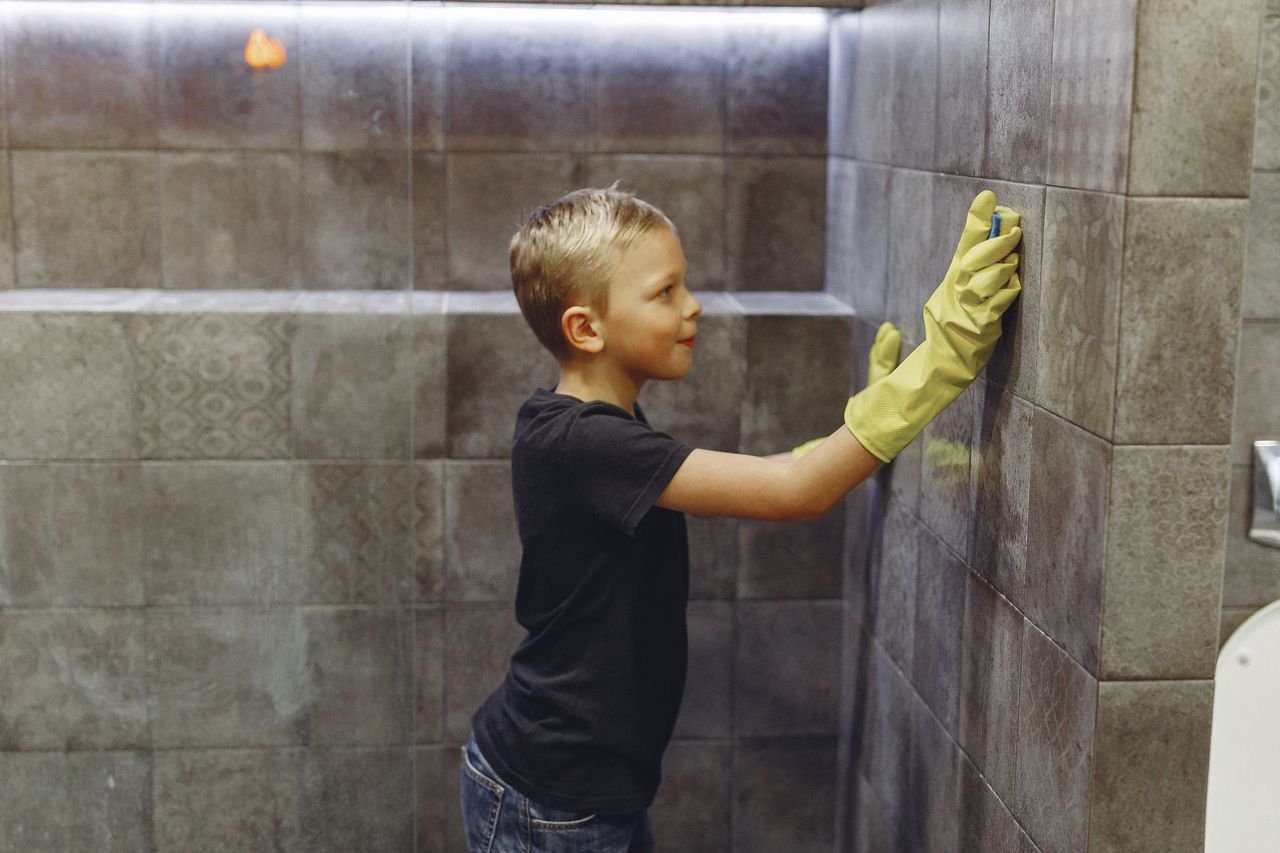
Slate tiles bring a natural, timeless look to floors, bathrooms, kitchens, entryways, fireplaces, patios, and other areas of a home. Their unique colors and textured surfaces make them attractive, but that same texture can trap dust, grit, grease, and grime. If you’re wondering how to clean slate tiles without damaging their natural finish, the process is straightforward. The most important rules are to remove loose dirt before mopping, use a cleaner suitable for natural stone, avoid unnecessarily harsh chemicals, and dry the surface after cleaning.
Unlike ceramic or porcelain tiles, slate is a natural stone and can vary considerably in texture, porosity, and finish. Therefore, the cleaning method that works for one slate installation may not be appropriate for another.
This guide explains everything from everyday slate tile cleaning to deep cleaning, stain removal, grout care, and long-term maintenance.
Quick Answer: How Do You Clean Slate Tiles?
To clean slate tiles, first sweep or vacuum the surface to remove loose dirt, sand, and grit. Next, damp-mop the tiles with warm water and a pH-neutral cleaner made for natural stone. Use a soft-bristle brush for dirt trapped in textured areas. Rinse according to the cleaner’s instructions and dry the surface with a clean microfiber mop or towel.
Avoid abrasive cleaning products and be cautious with acidic household cleaners, as inappropriate products can dull the surface or affect sealers.
What You Need to Clean Slate Tiles
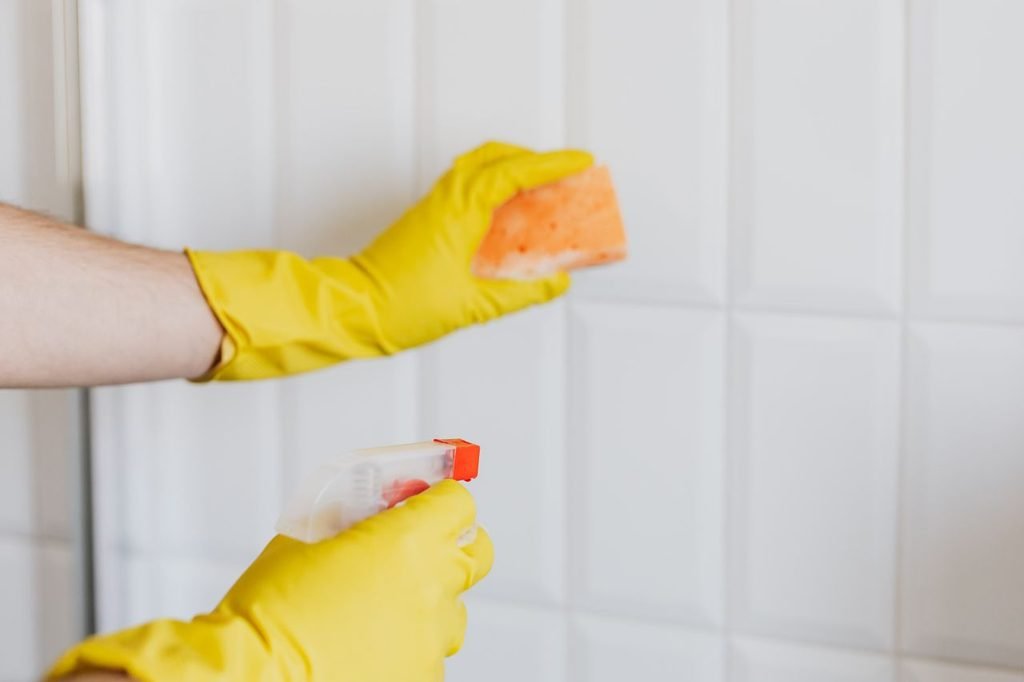
Before beginning, gather the right equipment. Fortunately, you don’t need expensive tools for routine slate tile cleaning.
You will typically need:
- Soft-bristle broom
- Vacuum suitable for hard floors
- Microfiber mop
- Two clean buckets
- Warm water
- pH-neutral natural stone cleaner
- Soft-bristle nylon brush
- Clean microfiber towels
- Gloves, if required by your cleaning product
For textured or natural-cleft slate, a soft brush can be particularly helpful because dirt can collect in the stone’s grooves.
Before using any unfamiliar cleaning product, check its label and, ideally, test it on a small, inconspicuous section first.
How to Clean Slate Tiles Step by Step
1. Remove Loose Dirt and Grit
Start by completely removing loose dirt before introducing water.
Sweep the floor using a soft-bristle broom or vacuum it using an appropriate hard-floor attachment. Pay special attention to corners, grout lines, edges, and textured areas.
This step is more important than it may seem. Sand and grit can act as abrasives when walked across the floor, potentially contributing to surface wear. Regular dry cleaning is therefore an important part of slate floor maintenance.
Tip: If your slate has a highly textured, cleft surface, move the broom or vacuum in different directions to pick up debris trapped between the natural ridges.
2. Choose a Slate-Safe Cleaner
Choose a pH-neutral cleaner specifically formulated for natural stone.
Avoid assuming that a stronger household floor cleaner will provide better results. Too much cleaning product can leave a residue or film on the stone. The Natural Stone Institute recommends following the manufacturer’s recommended concentration rather than using excessive amounts of soap or cleaner.
If you’re cleaning newly installed or recently sealed slate, also check the recommendations from the tile, sealer, or installation-product manufacturer.
3. Prepare the Cleaning Solution
Fill a bucket with warm water and add the recommended amount of your stone-safe cleaner.
Always follow the product label for dilution. Do not simply add more cleaner because the floor looks particularly dirty.
For routine cleaning, the goal is to loosen and remove dirt without leaving a layer of cleaning product behind.
4. Damp-Mop the Slate
Dip a clean microfiber mop into the solution and wring it out well.
The mop should be damp rather than soaking wet.
Work across the floor in manageable sections. On natural-cleft slate, gently work the mop over the textured surface so it can reach the grooves.
A microfiber mop is useful because it can collect dirt without requiring aggressive scrubbing. Manufacturers and stone-care specialists commonly recommend damp cleaning with appropriate stone-safe products for slate.
5. Clean Difficult Areas With a Soft Brush
If dirt remains in grooves or grout lines, use a soft-bristle brush.
Apply the stone-safe cleaning solution and gently work the brush over the affected area. Avoid wire brushes and highly abrasive scrubbers, which can scratch certain stone surfaces or damage grout and sealers.
For particularly dirty floors, clean small sections at a time rather than allowing the cleaning solution to dry on the surface.
6. Rinse the Surface
After cleaning, remove remaining cleaning solution according to the product instructions.
Using clean water for the rinse is important because dirty rinse water can simply redistribute soil across the floor.
The Natural Stone Institute recommends thoroughly rinsing natural stone after washing and changing rinse water frequently.
7. Dry the Slate Tiles
Finish by using a clean, dry microfiber mop or soft towel to remove excess moisture.
Drying is particularly useful on darker slate because water spots and residue can be more visible. It also prevents moisture from sitting unnecessarily in textured areas and grout joints.
How to Deep Clean Slate Tile Floors
Routine cleaning may not be enough if your slate floor has accumulated years of dirt, grease, or residue.
Before deep cleaning, determine whether the slate is sealed, coated, or unsealed. Some intensive cleaning methods can introduce significant moisture into porous stone, so product and manufacturer instructions matter.
For a typical deep-cleaning process:
- Sweep or vacuum thoroughly.
- Apply a cleaner designed for natural stone.
- Follow the product’s recommended dwell time.
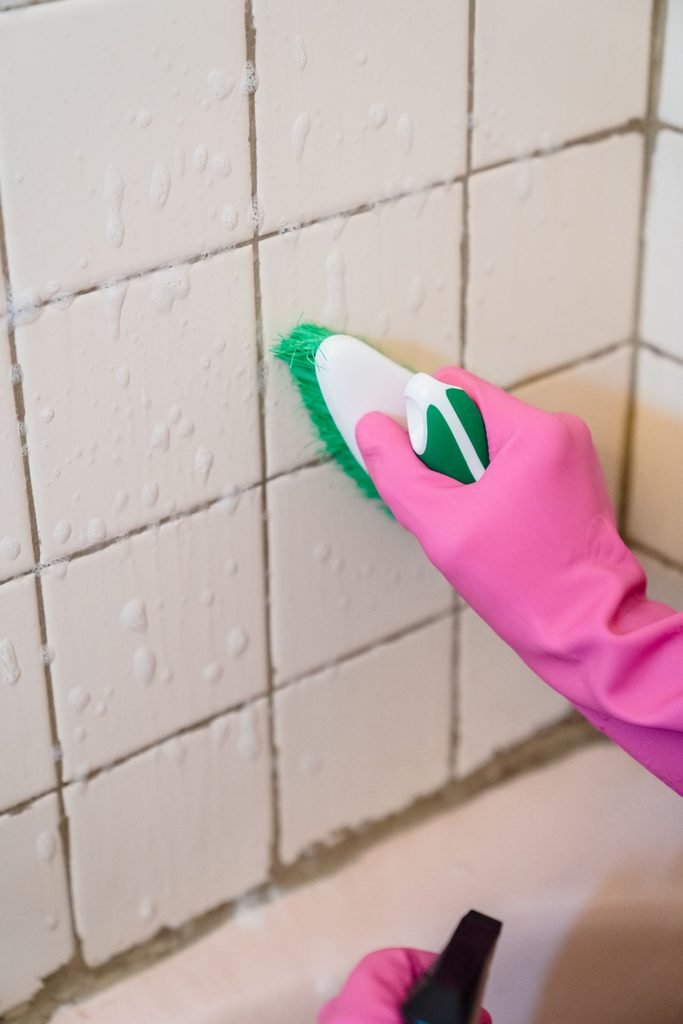
- Gently scrub heavily soiled areas with a soft-bristle brush.
- Remove the dirty solution.
- Rinse thoroughly.
- Allow the slate to dry completely.
- Inspect the surface before deciding whether resealing is necessary.
For large areas, severely stained slate, or damaged finishes, professional stone cleaning may be preferable to aggressive DIY treatment.
How to Remove Stains From Slate Tiles
Slate stains can have different causes, so there isn’t one universal stain-removal method.
Common stains include:
- Grease and cooking oil
- Food and drink
- Mud
- Rust
- Soap residue
- Organic material
- Pet accidents
- Mold or algae on outdoor installations
The first step is to identify the stain and choose a product specifically designed for the type of stone and stain.
Removing Oil and Grease
Oil can make slate appear darker or leave a persistent mark.
Blot fresh spills rather than spreading them across the floor. For an established grease stain, a stone-safe degreaser or specialized poultice may be appropriate.
Don’t immediately reach for a powerful household solvent. Some chemicals can damage slate or its sealer.
Removing Rust
Rust stains can be difficult to remove from natural stone.
If you need a rust remover, choose one specifically labeled as suitable for the particular natural stone. Some aggressive rust-removal products can damage stone, so follow the manufacturer’s directions carefully.
Removing Mold and Algae
Outdoor slate around patios, walkways, pools, or damp areas can develop algae or other biological growth.
Natural Stone Institute guidance notes that outdoor pool, patio, and hot-tub areas may sometimes be cleaned with clear water and an appropriate mild bleach solution. However, product compatibility should always be checked first, particularly if the slate has been sealed or coated.
Can You Use Vinegar to Clean Slate Tiles?
Vinegar should generally not be your go-to cleaner for slate tiles.
Although vinegar is frequently recommended as a DIY household cleaner, natural stone requires more careful product selection. Acidic cleaners can be inappropriate for certain stone surfaces and may affect some sealers or finishes.
For routine cleaning, choose a pH-neutral cleaner specifically designed for natural stone instead.
The same principle applies to lemon juice and other acidic DIY cleaning solutions.
Can You Use Bleach on Slate Tiles?
Bleach isn’t the ideal everyday cleaner for slate.
There are specific situations—particularly some outdoor biological-growth applications—where a properly diluted bleach solution may be recommended. However, slate, grout, coatings, and sealers can respond differently to cleaning chemicals.
For routine indoor slate cleaning, a stone-safe neutral cleaner is a better starting point. Always follow the recommendations for your particular installation.
Never mix bleach with ammonia or other incompatible cleaning chemicals.
How to Clean Slate Tile Grout?
Grout lines can collect considerable dirt, especially with natural-cleft slate.
To clean slate grout:
- Vacuum or sweep the entire floor.
- Apply a suitable stone-and-grout cleaner.
- Allow it to work for the time specified on the label.
- Gently scrub the grout using a soft-bristle brush.
- Remove the dirty solution.
- Rinse with clean water.
- Dry the area thoroughly.
Avoid metal brushes or aggressive scrubbing. If the grout remains severely discolored or damaged after cleaning, it may need professional repair or replacement.
How to Clean Outdoor Slate Tiles
Outdoor slate generally accumulates more dirt than indoor flooring because it is exposed to rain, soil, leaves, mud, and organic debris.
Start by sweeping away leaves and loose dirt. Then rinse the surface and use a stone-safe cleaner when necessary.
For patios and other exterior installations:
- Remove leaves regularly.
- Don’t allow soil to build up.
- Clean algae or moss before it becomes extensive.
- Avoid aggressive pressure or abrasive methods.
- Check the condition of the sealer periodically.
- Follow the manufacturer’s maintenance instructions.
Outdoor slate may require more intensive maintenance than indoor slate, particularly in damp or heavily shaded areas.
How to Clean Slate Bathroom Tiles
Slate used in bathrooms can accumulate soap residue, body oils, and mineral deposits.
For routine bathroom maintenance:
- Wipe away water after use.
- Use a squeegee on appropriate smooth surfaces.
- Clean regularly with a suitable stone cleaner.
- Pay attention to grout lines.
- Dry the slate after cleaning.
Natural Stone Institute guidance recommends using a squeegee in wet areas to help minimize soap-scum buildup.
If you have stubborn mineral deposits, don’t automatically use vinegar or an acidic descaler. Choose a product specifically confirmed as safe for your slate.
What Should You Avoid When Cleaning Slate?
Knowing what not to use is just as important as knowing how to clean slate tiles.
Avoid:
- Unapproved acidic cleaners
- Vinegar as a routine slate cleaner
- Lemon juice
- Abrasive scouring powders
- Wire brushes
- Harsh scrub pads
- Excessive amounts of soap
- Unapproved chemical solvents
- Products that aren’t labeled as suitable for natural stone
Some cleaning products can scratch the surface, leave residue, affect the sealer, or otherwise alter the appearance of the stone.
Does Slate Tile Need to Be Sealed?
Whether slate should be sealed depends on the particular slate, finish, location, and manufacturer’s recommendations.
A suitable sealer can help reduce the penetration of spills and make maintenance easier, but sealing does not mean the stone can never stain.
If your slate is already sealed, follow the sealer manufacturer’s instructions regarding cleaning and reapplication. If you aren’t sure whether your floor is sealed, a stone-care professional can help assess its condition.
Before applying a new sealer, make sure the slate is properly cleaned and sufficiently dry.
How Often Should You Clean Slate Tiles?
There isn’t one cleaning schedule that works for every slate floor.
A practical maintenance routine is:
| Task | Recommended Frequency |
|---|---|
| Sweep/vacuum | Several times a week or as needed |
| Remove spills | Immediately |
| Damp mop | Weekly or as needed |
| Clean grout | As needed |
| Deep clean | When routine cleaning is no longer sufficient |
| Inspect sealer | Periodically |
High-traffic areas may need more frequent cleaning than a rarely used room. Regular dry cleaning is particularly useful because grit and debris can accumulate on slate and contribute to surface wear.
Simple Slate Tile Maintenance Routine
You don’t have to spend hours cleaning slate every week.
A simple routine can keep the surface looking good:
Daily or as needed: Remove spills and visible debris.
Several times a week: Sweep or vacuum high-traffic areas.
Weekly: Damp-mop with an appropriate natural-stone cleaner.
Periodically: Inspect grout, sealer, and areas that receive heavy traffic.
When necessary: Deep-clean stains and accumulated grime.
This preventative approach is usually easier than waiting until the slate becomes heavily soiled.
Also Read: Tile Regrouting: A Comprehensive Guide to Revitalizing Your Tiled Spaces
Do and Don’t: Slate Tile Cleaning
| Do | Don’t |
|---|---|
| Remove grit before mopping | Mop over loose sand and dirt |
| Use a stone-safe cleaner | Use random household chemicals |
| Follow dilution instructions | Assume more cleaner is better |
| Use microfiber tools | Use abrasive scrubbers |
| Clean spills quickly | Allow stains to sit unnecessarily |
| Rinse appropriately | Leave cleaning residue behind |
| Dry after cleaning | Leave excessive moisture sitting on the surface |
| Follow sealer instructions | Apply an incompatible sealer |
Frequently Asked Questions About Slate Tile Cleaning
What is the best way to clean slate tiles?
The best routine method is to sweep or vacuum away loose dirt, then damp-mop with warm water and a pH-neutral cleaner suitable for natural stone. Use a soft brush for textured areas and rinse and dry the surface appropriately.
Can I mop slate tiles?
Yes. Slate can be damp-mopped using an appropriate stone-safe cleaning solution. Avoid soaking the floor unnecessarily and follow the cleaner manufacturer’s instructions.
What is the best cleaner for slate floors?
A pH-neutral cleaner specifically formulated for natural stone is a good choice for routine slate-floor cleaning. Always check the label for compatibility with your particular slate and finish.
Can you clean slate tiles naturally?
For light everyday dirt, warm water and a good microfiber mop may be sufficient. For more substantial cleaning, use a natural-stone-safe cleaner rather than relying on homemade acidic solutions.
Can you use vinegar on slate?
It is best to avoid vinegar as a routine slate cleaner. Use a pH-neutral natural-stone cleaner instead, particularly if your slate is sealed or has a specialized finish.
How do you remove stains from slate?
Identify the type of stain first. Oil, rust, organic stains, and mineral deposits can require different treatments. Use a product specifically designed for natural stone and the particular type of stain.
How do you clean dirty slate grout?
Use a suitable stone-and-grout cleaner and gently scrub the grout with a soft-bristle brush. Rinse and dry afterward. Avoid wire brushes and harsh abrasive products.
How often should slate floors be cleaned?
Sweep or vacuum regularly and damp-mop about weekly or whenever the floor becomes dirty. High-traffic areas may require more frequent cleaning.
How can I make slate tiles look better?
Regularly remove grit, clean with an appropriate stone cleaner, rinse properly, and dry the surface. If the slate looks permanently dull, stained, or damaged, professional cleaning or restoration may be more appropriate than applying additional cleaning products.
Final Thoughts
Learning how to clean slate tiles doesn’t require complicated equipment or harsh chemicals. The most effective approach is consistent maintenance: remove dirt and grit regularly, use a pH-neutral natural-stone cleaner when needed, clean textured areas gently, rinse appropriately, and dry the surface.
Most importantly, remember that slate isn’t the same as ceramic tile. Its natural texture, porosity, finish, and sealer all affect how it should be maintained. When you’re dealing with stubborn stains, significant discoloration, damaged grout, flaking, or an uncertain sealer, professional stone-care advice can prevent an attempted DIY fix from causing permanent damage.
With the right cleaning routine, slate tiles can retain their natural character and attractive appearance for many years.


About the Author