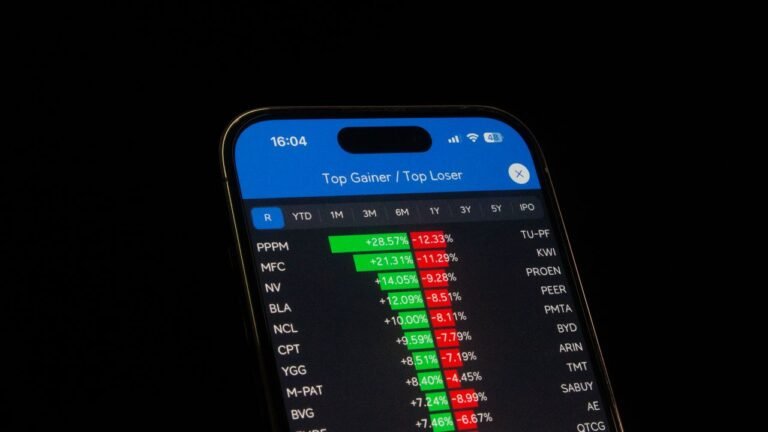
India’s investing journey has changed quickly. A person who once depended on forms, broker visits and physical share certificates can now start investing with a mobile phone. This shift is not only about convenience. It is also about better records, faster access and wider participation. At the centre of this change is the demat account, which helps investors hold securities electronically and manage them with less paperwork.
What Has Changed in Indian Investing?
For many years, investing felt distant for ordinary families. Shares were seen as complicated, and paperwork made the process slower. Today, digital platforms have made investing more approachable. New investors can read company information, check holdings, place orders and track portfolios from one screen.
Some clear changes include:
- Account opening has become largely digital.
- Investment records are easier to track.
- Mobile apps have made portfolio review simple.
- Investors can access shares, mutual funds, bonds and ETFs more easily.
What Is a Demat Account?
A demat account is an account that holds your securities in electronic form. The word “demat” comes from dematerialisation, which means converting physical certificates into digital records.
Think of it like a bank account, but for investments. A bank account holds money. A demat account holds securities such as shares, bonds, exchange-traded funds and certain mutual fund units. When you buy eligible securities, they are credited to this account. When you sell them, they are debited from it.
Why Digital Investing Needs Demat Accounts
Digital investing works best when every part of the process is connected. Online trading, electronic payments and digital statements all need a reliable place to store securities. That is where demat accounts become important.
For investors who want to invest in stocks online, a demat account removes the need to handle paper certificates, manual verification and physical transfers.
A demat account supports digital investing by:
- Keeping securities in one electronic place.
- Reducing the risk of damaged or misplaced certificates.
- Helping trades settle through electronic entries.
- Giving investors easier access to holdings and transaction history.
- Making portfolio tracking more organised.
The Role of Depositories and DPs
In India, securities in demat form are held through depositories. Investors usually open accounts through a Depository Participant, commonly called a DP. A DP may be a bank, broker or financial institution authorised to offer depository services.
Here is a simple view:
| Participant | Role |
| Investor | Buys and holds securities |
| DP | Opens and services the account |
| Depository | Maintains electronic records |
| Broker | Helps place buy and sell orders |
A trading account and a demat account are different, although they often work together. The trading account is used to place orders. The demat account stores the securities after purchase.
How Demat Accounts Help New Investors
First-time investors often worry about where their shares go after purchase. A demat setup answers that question clearly. The holdings appear in the account statement, which can be checked online.
For beginners, the benefits are practical:
- They can see what they own.
- They can check purchase and sale records.
- They can receive corporate benefits, such as bonus shares, in electronic form.
- They can avoid handling paper certificates.
- They can learn investing step by step through digital statements.
A demat account does not remove market risk. Share prices can still rise or fall. However, it makes record-keeping simpler, which is important for disciplined investing.
Better Access, Better Control
Digital investing has given investors more control over their money decisions. Earlier, many people waited for printed statements or depended on intermediaries for basic information. Now, they can check holdings, update details and review transactions more regularly.
This does not mean investors should act in a hurry. Easy access should be used for better awareness, not impulsive trading.
Good digital habits include:
- Checking statements at regular intervals.
- Keeping mobile number and email updated.
- Using strong passwords and secure devices.
- Reading charges before opening or maintaining an account.
- Avoiding investment decisions based only on social media tips.
Why It Matters Beyond Shares
Many people connect demat accounts only with equity shares. That is a limited view. The same digital holding system can also support other eligible market-linked securities.
For example, a young investor may start with a few shares. Later, the same person may add ETFs, bonds or other eligible products. One electronic record makes it easier to see the wider portfolio.
Modern investing is not only about buying one stock. It is about building a portfolio that matches goals, time horizon and risk comfort.
Things to Check Before Opening One
Opening an account is easier now, but it should not be done casually. Investors should understand the basic features and charges before signing up.
Check these points carefully:
- Whether the DP is registered and reliable.
- Account opening and annual maintenance charges.
- Transaction or pledge-related charges.
- App usability and customer support.
- Statement access and security features.
- Nomination facility and update process.
Do not open an account only because an app looks attractive. The service behind the platform matters as much as the design.
The Human Side of Digital Investing
Digital tools are useful, but the investor still has to think clearly. A smooth app cannot decide your goals. A simple dashboard cannot tell you how much risk you can handle. A demat account is only the storage and record-keeping part of the journey.
Real investing needs patience, learning and self-control. Before buying any product, understand why you are buying it. Check whether it suits your income, goals and time period. Avoid copying another person’s portfolio blindly.
Also Read: Can You Start an SIP Without a Demat Account?
Conclusion
India’s move toward digital investing has made the market more accessible, transparent and convenient. Demat accounts have played a major role in this shift by replacing paper-based holding with electronic records.
For new investors, this change removes many old barriers. For experienced investors, it offers better organisation and easier tracking. Still, the basics remain the same. Understand the product, check the costs, protect your login details and invest with a plan.
A demat account is not just a technical requirement. It is a key part of how modern India invests.


About the Author