Homeowners should evaluate scheduling, property conditions, and installer availability when
planning a window installation. These factors help establish a realistic timeline and allow
installers to assess the property in advance. Here are a few tips for choosing when to schedule
the project:
Evaluate the Condition of Existing Windows
The condition of existing windows is a useful starting point when deciding how soon to arrange
window installation. Schedule an immediate inspection when the windows no longer close
properly or have damaged frames. This helps homeowners get a thorough assessment, a
realistic project timeline, and the available replacement options.
Homeowners should also schedule window replacement when their basement has poor
ventilation or when specific rooms let exterior air into the home. New windows have tighter seals
and offer enhanced ventilation, helping to reduce lost heat in the winter or cool air in the
summer. This helps maintain comfortable indoor temperatures without overworking the heating
and cooling systems.
While it doesn’t need immediate attention, homeowners can schedule window replacement
when the current windows don’t match the home’s aesthetic. This is helpful when dealing with
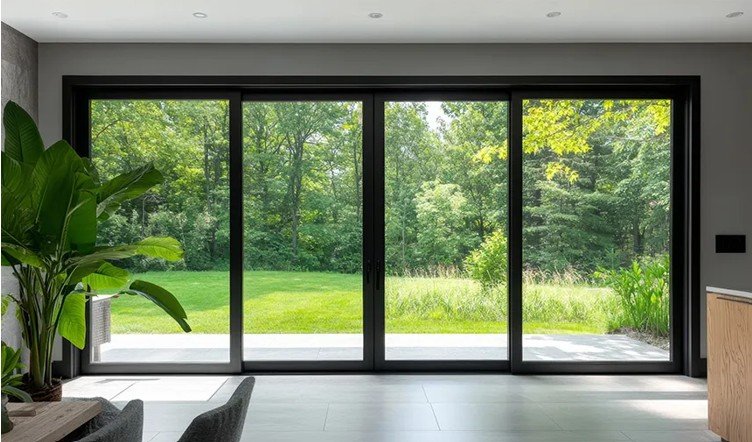
outdated styles because new windows are customizable. Some of the aesthetic benefits of
installing new windows include the following:
● Increasing natural light
● Complementing exterior designs
● Creating unobstructed views
● Enhancing curb appeal
Assess Seasonal Weather and Household Schedules
Evaluate weather when scheduling window replacement because outdoor conditions affect the
home’s comfort. Plan installation before severe weather starts to avoid exposing your home to
the elements. Most installers discuss expected installation conditions with homeowners when
selecting a suitable date. This helps create realistic expectations and lets homeowners plan for
alternative accommodations if necessary.
The household’s schedule also matters because installation involves access to rooms needing
window replacement. Start by selecting a date when residents can accommodate the work and
prepare the relevant spaces. Households should help with tasks such as moving furniture away from the windows and clearing access to each opening to prepare for installation. These
proactive steps help installers work through the planned areas efficiently, which keeps the
project on schedule.
No single season suits every project, and homeowners should expect to make adjustments. In
some cases, the project needs to happen sooner than expected because of changes in the
weather forecast. A homeowner may need to replace a cracked window before a winter storm
arrives to prevent cold air and moisture from entering the home. Product selection or contractor
availability also changes the appropriate timing. Get an assessment before choosing a final date
to discuss these factors together.
Allow Time for Preparation
A window installation date should account for the steps that happen before installers arrive.
After the consultation stage, most installers offer a quote and contract before scheduling a visit
to take precise measurements. Installation occurs on a separate date after production is
complete, and the duration depends on the project scope.
The selected products must be measured and produced before being transported to the site for
installation. Homeowners should evaluate these key questions when planning their window
installation:
● When will the final measurements be taken to confirm the window sizes?
● How long will it take to manufacture the selected windows?
● What installation dates are available once the windows have been delivered?
Confirm the Project Scope
The number and type of windows being installed influence the project’s scope. Installing multiple
windows or specialty designs needs more time than replacing a few standard windows. Most
installers offer different window styles, including casement, bay, bow, double-hung, sliding, and
awning, to help homeowners get suitable windows that complement their home. Confirming the
project scope also lets homeowners discuss project details such as what access installers need
and which rooms will be involved. Knowing these details helps households prepare.
Choose a Suitable Window Installation Date
The best time to schedule window installation depends on the condition of the existing windows,
seasonal weather, household availability, manufacturing lead times, and the scope of the
project. Weather may affect installation conditions; custom windows also require several weeks
for production and delivery. Planning ahead helps homeowners coordinate measurements,
product delivery, and installation dates while minimizing disruptions to daily routines. An initial
assessment also helps identify project requirements and establish a realistic schedule. Schedule a consultation today to plan your window replacement and determine the best
installation date for your home.
4


About the Author