When planning your wedding, look for a venue with features and a layout that complement your theme and preferences. Customizing an indoor wedding at a venue with multiple room options gives you flexibility. A climate-controlled venue supports consistent conditions throughout your ceremony and reception, and it helps minimize disruptions caused by changing weather. Here are a few ways to customize your indoor wedding:
Use Historic Character
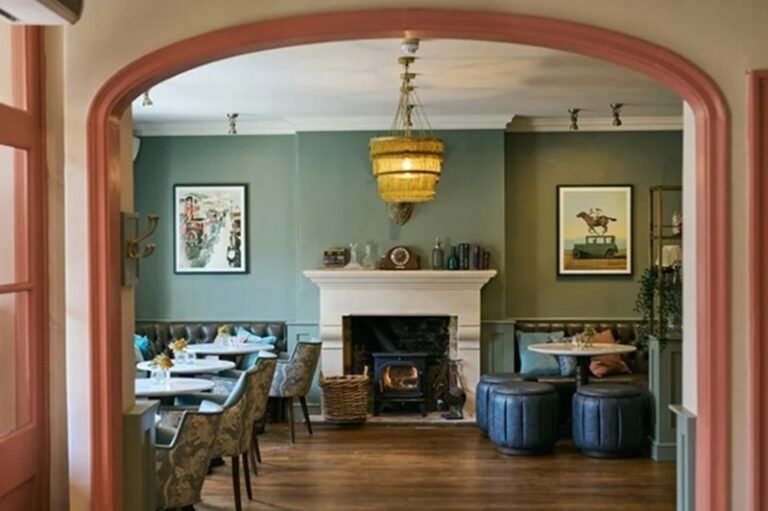
Wedding space design uses the historic features of a building as part of the overall wedding setting. Wood flooring, large windows, exposed beams, and original architectural details establish the visual character of the ceremony and reception spaces. These elements define the environment rather than serving as a background for added decoration.
Exposed beams and the original structure add visible texture and depth, reducing the need for heavy built-in décor. Natural light from large windows and the scale of older architectural layouts shape how the space feels throughout the event. These features influence sightlines, openness, and how guests experience the room during both the ceremony and the reception.
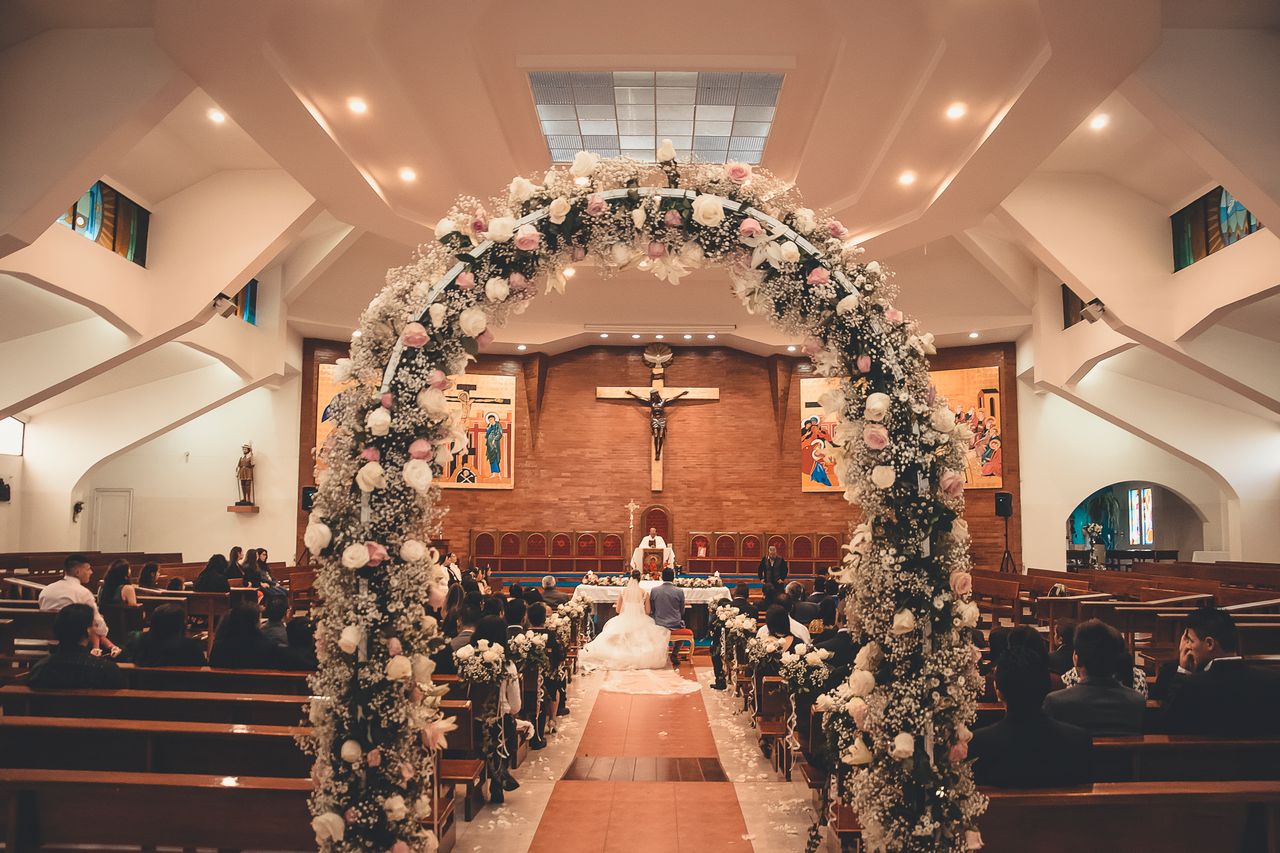
Decor choices such as florals, string lights, drapery, and table design sit within this framework rather than covering it. Placement follows the building’s existing structure, along beams, near windows, and across defined architectural lines, so the design reads as part of the space rather than layered on top of it. Historic architecture directly shapes how the venue is used and styled, with its materials and proportions guiding the overall wedding design.
Feature Window Views
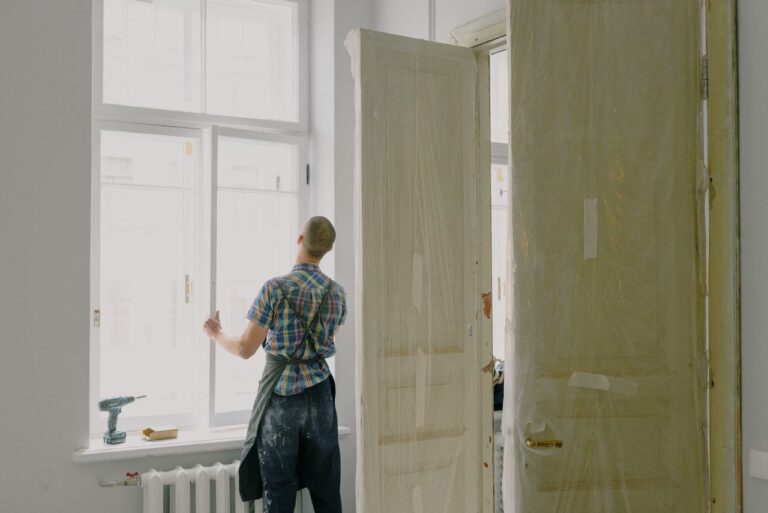
Large windows shape an indoor wedding by introducing natural light and outward views that become part of the setting. Daylight shifts the atmosphere throughout the event, supporting visibility and creating a softer, more open feel inside the space. Views through the windows function as part of the backdrop, especially when they overlook gardens, water, or cityscapes. Because the exterior view carries visual weight, interior styling often stays simpler near windowed areas. The balance between interior layout and exterior scenery helps define the overall look of the event without relying heavily on additional decoration.
Coordinate Reception Design
Reception design depends on how tables, lighting, and circulation paths are arranged within the venue. Table placement organizes dining areas and seating sections so guests can move through the space without congestion. Lighting placement defines visibility across tables and shared areas and affects how colors and materials appear during the event.
When the reception layout follows the same spatial logic as the ceremony setup, the transition between spaces feels continuous, since guests move through consistent pathways and design elements. Centerpieces, table settings, and seating assignments create structure within each dining area and establish clear groupings for guests. These elements also help define focal points within the room, particularly around main tables and shared gathering areas. A coordinated layout links functional needs like seating capacity and service access with visual organization across the reception space.
Embrace Indoor Comfort
Indoor wedding spaces support consistent environmental conditions throughout the event. These factors influence how indoor spaces function within a wedding setup:
- Stable Temperature: Climate-controlled spaces maintain consistent indoor conditions throughout the event.
- Flexible Attire: Indoor venues remove weather-related constraints, allowing attire choices to follow dress code and personal preference without external environmental factors.
- Consistent Scheduling: Indoor venues reduce weather-related disruptions, which supports adherence to planned timelines for the ceremony, reception, and related activities.
Also Read: How to Add a French Touch to Your South of France Wedding?
Customize Your Indoor Wedding
Customizing your indoor wedding allows every part of the celebration to reflect your style and the atmosphere you’ve planned for the event. Features such as architectural design, indoor comfort, and coordinated reception layouts help shape a more structured wedding experience. Contact venue management today to explore an indoor wedding space that aligns with your vision and event preferences.


About the Author