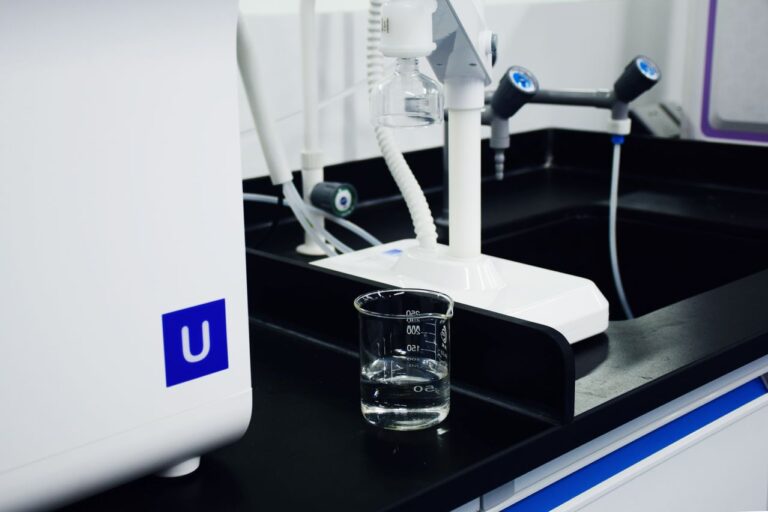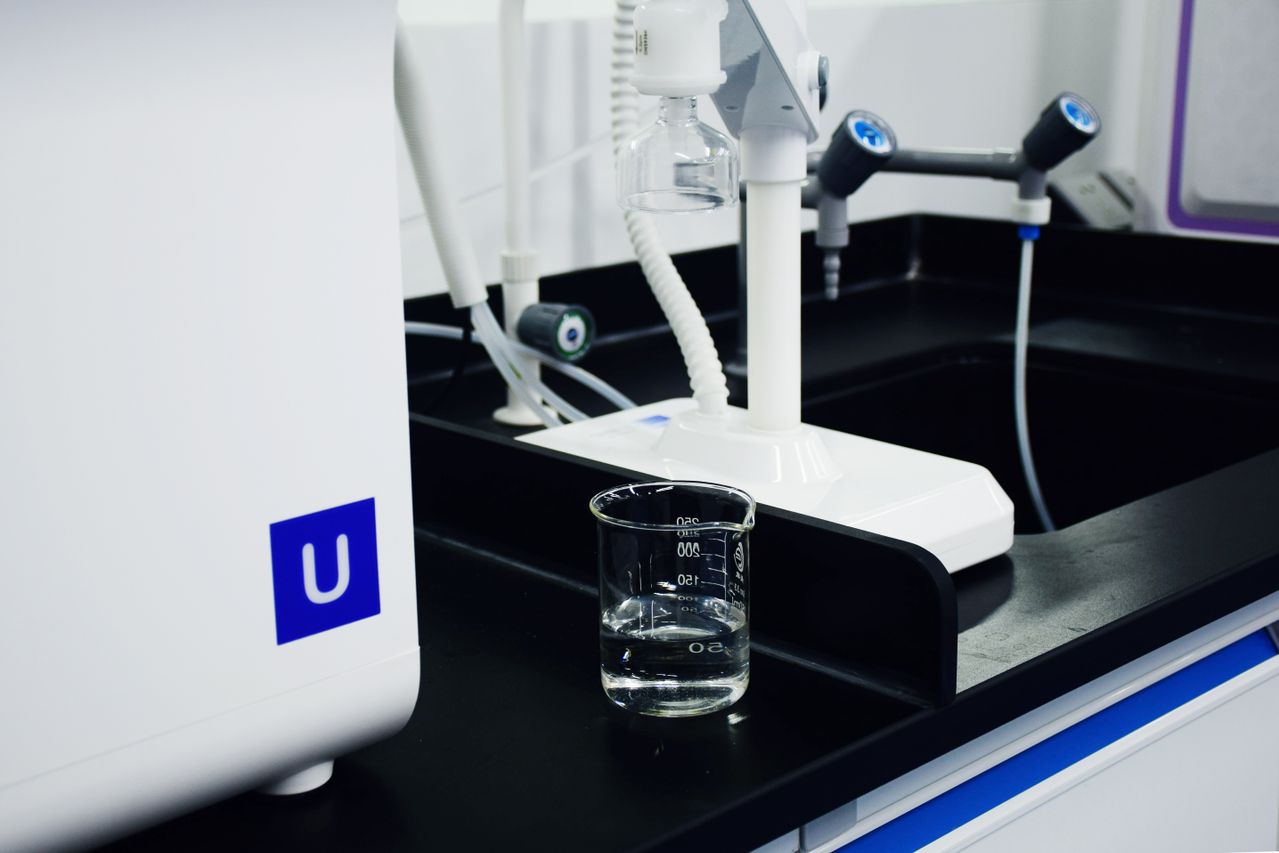
You can reduce RO waste water only if your water purifier has a higher recovery rate and is maintained on schedule. New RO water purifiers are designed to waste less water. A unit that turns 40% of its water into drinking water can send about 1.5 L down the drain for every litre you drink. In some new models, for every 1 litre of drinking water produced, only 1 litre of water is rejected as waste. Moreover, no zero-waste RO system exists because the membrane needs a continuous flow to remove concentrated impurities and stop clogging. If the RO water purifier recovers 40% of its input, it sends 1.5L down the drain for every litre of drinking water.
Whether you buy or rent an RO purifier, the label shows how much RO reject water to expect. Most importantly, consumers should understand why an RO produces reject water and how low-waste RO units can reduce wastewater.
Why Does an RO Purifier Produce Waste Water?
RO water purifiers reject water because the filter needs constant rinsing. When purified water leaves the filter, salt and dirt can remain behind. If nothing washed them away, they would block the filter. That’s why some water keeps flowing past to carry them down the drain; that’s your RO wastewater.
| Rated recovery | Reject water per litre purified | Daily RO waste water | Monthly RO waste water |
| 20% | 4 litres | 40 litres | 1,200 litres |
| 25% | 3 litres | 30 litres | 900 litres |
| 40% | 1.5 litres | 15 litres | 450 litres |
| 50% | 1 litre | 10 litres | 300 litres |
Which Low-Waste RO Units Reduce Reject Water?
The volume of RO waste water varies by model. Some units can recover a large share of the input. If you see a label showing a 40% recovery rate, the RO can recover more than older units, which have around a 20-25% recovery rate. Moving from 25% to 50% recovery significantly reduces RO reject water; for example, you can expect the RO to waste from 3 L to 1 L for every litre purified.
What Does the Recovery Rate Tell You?
The RO reject recovery rate that matters is the one stated for the TDS of the tap water. The recovery rate drops as dissolved solids increase. So, a water purifier rated at 50% on soft water may recover less on hard water.
You should figure out the rated recovery and maximum input TDS together. When a unit mentions a 40% recovery rate and can handle your water well enough, it will likely produce less RO waste water than one that claims more.
Can an RO Water Purifier Waste Nothing?
There is no zero-waste RO system. Such RO water purifiers pump the reject stream back into the storage or overhead tank, where it mixes with the household supply. Very little goes down the kitchen drain; however, the salts the membrane removes may remain in the water tank. Because of recirculation, TDS in the stored water can increase. That’s why the design benefits more from a large water tank that is frequently refilled. Small tanks may sit for days, and a high recovery rate is then a better choice.
Does RO Servicing Affect Wastewater?
Yes, during water purifier servicing, technicians replace clogged pre-filters, sediment or carbon filters, which can reduce the pressure of water reaching the membrane. A scaled membrane produces less drinking water every minute. Both make the water purifier run longer to produce the same output, so more RO waste water flows to the drain for every litre stored. Clogged filters can choke the booster pump, reducing the recovery rate.
Also, keep auto shut-off in mind. When the valve stops working because the tank fills up, water can run to the drain around the clock. To check the storage tank, fill it with water and notice the drain outlet. If the tank is full and there’s a steady trickle, the shut-off needs repair.
Is it Possible to Reduce the Reject Water Entirely?
The only solution is to review whether you need an RO in the first place. When the water has a low TDS level, a UV or UF purifier can remove microbes. These purifiers don’t produce purified reject water because they don’t use an RO membrane.
The first step is to know whether your water supply needs an RO purifier. In May 2019, the National Green Tribunal directed that RO should not be used when the TDS is below 500 mg/L. The unit should recover at least 60%. However, the directions are linked to legal actions, but the logic is that low-TDS water does not need an RO membrane.
| Option | How it lowers RO waste water | Effect on reject per litre purified | Main limitation |
| Higher-recovery model (25% to 50%) | Recovers more input | 3 litres down to 1 litre | Holds only within stated input TDS |
| Timely servicing | Restores rated pressure and flow | Keeps a 40% unit at 1.5 litres | Needs a regular schedule |
| TDS controller | Less water through the membrane | Lower total reject | Not for metals, nitrate or fluoride |
| Zero waste RO system | Returns reject to the tank | Close to zero at the drain | Raises tank TDS over time |
| UV or UF purifier | No reject stream | Zero litres | Does not lower TDS |
Consider a TDS controller as a middle ground. It lets part of the water bypass the membrane and adds it back in, so it produces less reject water for the same output. It suits water supplies without heavy metals, excess fluoride, or high nitrate.
Does Renting an RO Help with Low Water Wastage?
Renting a water purifier is only useful if you change the filters and maintain the unit on time. Sometimes owners often miss replacing filters when required. Delayed water purifier servicing makes the membrane work harder. This can lead to more RO reject water.
Rentomojo, a furniture and appliance rental platform founded in 2014, changes filters every six months for its own line of purifiers. The rental service provider covers repairs and maintenance. However, renting is not suitable for everyone. If you stay in one place for years, owning a purifier makes more sense. Remember to change filters on time.
Safe Uses of RO Waste Water for Indian Households
The best use of RO reject water is to clean floors and vehicles. You can also use the water to flush toilets. The Central Pollution Control Board says that RO reject water can be reused for construction sites. Gardening is not listed because reject water is saltier than the feed water – around 1.25 times the input TDS at 20% recovery and around 1.65 times at 40%.
Remember, you should not send the water back through the pipe. It could damage the RO unit.
Also Read: Ways a Purification System Improves Your Water
Final Thoughts
The best way to reduce RO waste water is to choose a unit that matches your water. If the water has low TDS, you do not need an RO. For high-TDS water, look for units with a 40% recovery rate or more. Don’t forget to clean the pre-filters and set the auto shut-off so your purifier works at the right recovery rate.


About the Author