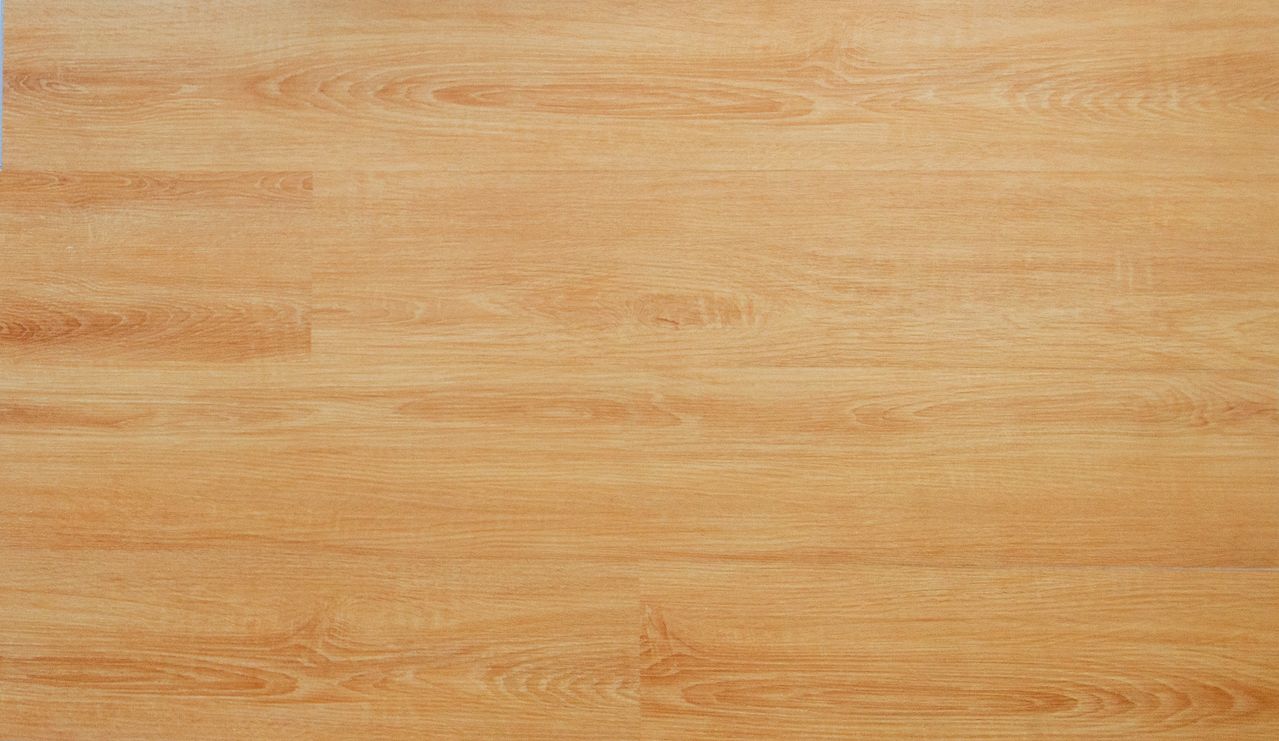
Vinyl plank flooring is an ideal choice for both homes and commercial spaces because it can be durable, stylish, and easy to maintain. To maximize the lifespan of your flooring, you need to focus on gentle, routine cleaning habits. The initial setup by professionals provides the foundation for long-term durability. Here are a few efficient practices for longevity when working with vinyl plank flooring:
Select Multilayered Product Construction
Multilayered plank construction enhances flooring longevity; it integrates various defensive layers to combat daily wear. The stacked components may preserve the core composition of the vinyl plank flooring better than single-layer options. This helps protect floors against the physical demands of high-traffic areas like kitchens and active living spaces.
The top layer may absorb damaging forces, protecting the design film. This multi-layer design is able to resist scratches, dents, and stains. The combined core and backing create a stable, moisture-resistant barrier that helps preserve the floor’s integrity. An integrated composite core provides foundational support that keeps the click-lock joints secure under constant pressure. Advanced, multi-layer engineered planks can deliver long-lasting performance and remain level throughout their useful life.
Prioritize Scratch Resistance Materials
Prioritizing scratch resistance materials helps extend the lifespan of your installation. Flooring in active homes is sometimes subjected to physical stress from moving furniture and foot traffic. Luxury vinyl can withstand household environment activities, and this makes it a practical alternative to traditional wood options. These scratch-resistant vinyl planks feature a waterproof engineering element that resists absorption from pet accidents, wet spills, and mud. They resemble the appearance of natural wood or stone while providing protection from structural vulnerabilities. The surface material may resist gouges from animal claws. It’s also able to absorb surface impacts, providing a combination of physical toughness and stable underfoot performance.
Examine Rigid Core Planks
A solid core composite foundation helps shield the panels from bending under heavy household stress. The structural core may not expand or contract when exposed to moisture, so individual planks remain flat over time. Prioritizing stabilized composite options helps prevent the peaking or buckling that ruins pliable flooring installations.
When couches, tables, and appliances exert constant downward pressure on the floor, soft flooring displays visible indentations. A solid, rigid core prevents indentations under heavy loads. The structural stability of a rigid core may prevent the interlocking click seams from breaking when individuals walk over the flooring. Here are some aspects to evaluate when selecting rigid core planks:
- Examine raw material categories
- Review pet-proof performance metrics
- Identify underlayment backings
Utilize Floating Installations
Floating installations allow the flooring layout to move as a single unit without buckling. If you attach vinyl directly to a subfloor with adhesives, indoor humidity variations may stress the individual planks. A floating system avoids this localized structural tension; since the interlocking pieces rest on the subfloor, they expand and contract evenly with temperature fluctuations. The free-floating design may prevent floor warping, keeping the surface smooth. A mechanical click-lock design help ssafeguard the floor’s durability by eliminating the risk of adhesive failure.
Clean Spills Promptly
Cleaning spills prevents surface moisture from lingering on the flooring material. Allowing liquids to accumulate creates a risky environment where moisture can work its way into the seams. Address wet messes promptly; this helps block moisture from seeping down between plank joints and reaching the subfloor underneath. This seepage may gradually cause structural issues beneath the flooring.
While the top layer may remain unaffected by the wetness, the hidden layers and adhesive foundations sometimes deteriorate when exposed to moisture. By focusing on immediate drying, homeowners make sure that the planks remain firmly locked together. It further preserves the aesthetics of the floor by preventing particles from binding with water and scratching the finish. If muddy pawprints or sugary drinks dry on the vinyl, the hardened residue requires forceful scrubbing to remove; this intensive cleaning may dull the protective top layer over time.
Also Read: Flooring Trends and Tips for a Stunning Home Makeover
Learn More About Vinyl Plank Flooring
The lifespan of your flooring depends on the precision of its initial installation. Homeowners should rely on professionals to evaluate and prepare the subfloor before laying down the vinyl planks. Some flooring stores have project managers who oversee the project from the beginning consultation to the final inspection; this provides homeowners with high-quality installation. Contact a reputable flooring contractor to learn more about their services.


About the Author