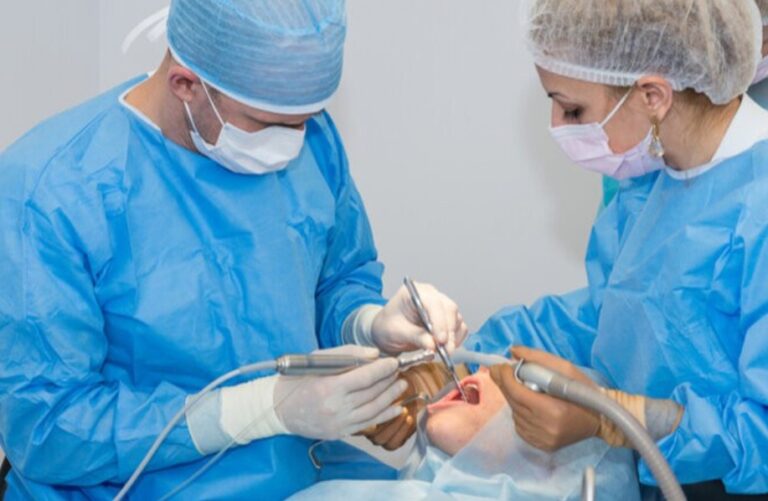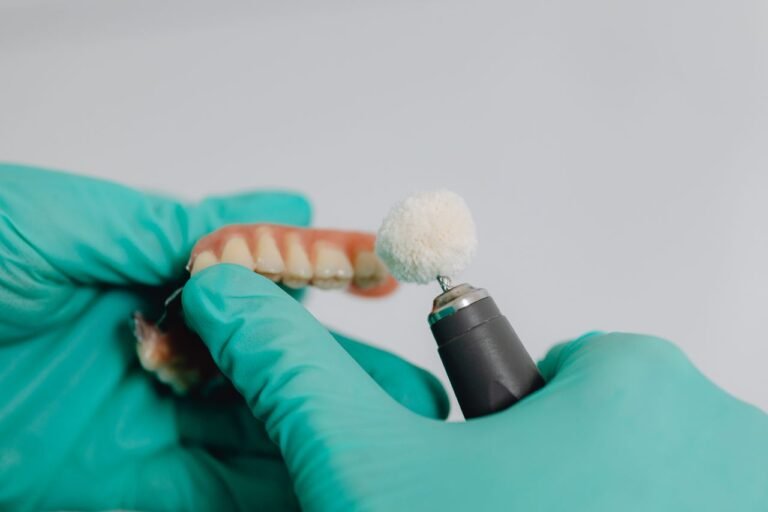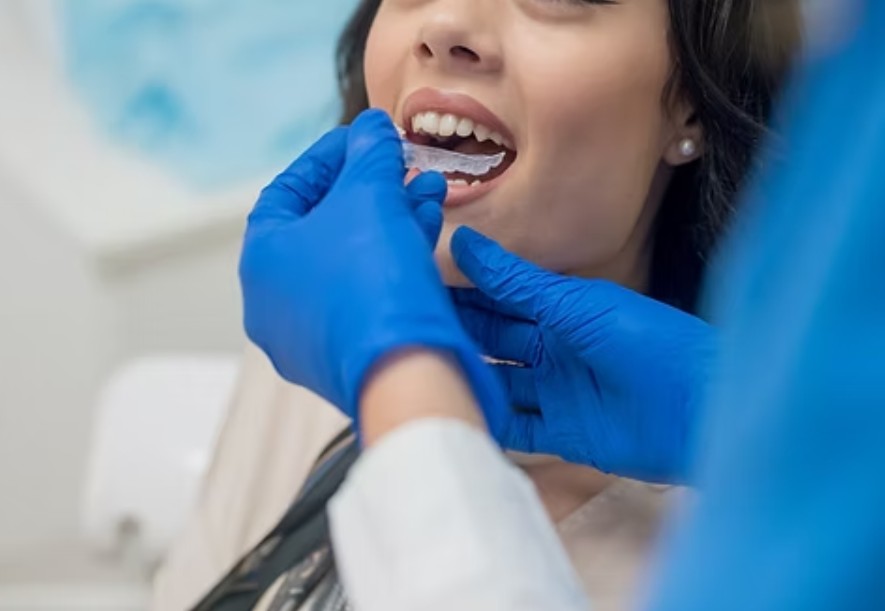
You want a strong smile that lasts. Regular checkups give you that power. When you see your Phoenix dentist on a steady schedule, you catch small problems before they turn into pain, infection, or tooth loss. You also lower your risk of gum disease, which is closely tied to heart strain and blood sugar trouble. Routine cleanings remove buildup that brushing and flossing leave behind. As a result, your breath stays fresh and your teeth keep their natural color longer. Each visit also creates a record of your mouth. That record helps your dentist spot quiet changes that you cannot see or feel yet. Skipping visits breaks that chain. Problems grow in the dark. Steady care brings them into the light early, when treatment is simple, fast, and less costly. Regular dental visits protect more than your teeth. They protect your confidence every time you smile.
How Often You Need To Go
Most people need a visit every six months. Some need more. A few need less. Your schedule depends on your health, not on a rule.
Your dentist might suggest more visits if you:
- Have a history of cavities
- Have bleeding or tender gums
- Use tobacco
- Have diabetes or heart disease
- Take medicines that dry your mouth
The American Dental Association explains that the right recall schedule depends on your risk for tooth decay and gum disease.
What Happens At A Routine Visit
Each visit follows a simple pattern. You know what to expect. That lowers stress for you and your family.
A standard checkup often includes three parts.
- Cleaning. A hygienist removes plaque and tartar. You feel smooth tooth surfaces again.
- Check of teeth and gums. The dentist looks for decay, cracks, and signs of gum disease.
- X rays when needed. These pictures show decay and bone loss that the eye cannot see.
The Centers for Disease Control and Prevention explains that plaque hardens into tartar that you cannot remove at home. Professional cleanings break up that hardened buildup.
Why Skipping Visits Costs You More
Missing routine visits often leads to bigger treatment later. That means more time, more stress, and higher cost.
Here is a simple comparison.
| Issue | With Regular Visits | With Skipped Visits |
|---|---|---|
| Cavities | Found small. Treated with a short filling visit. | Grow larger. May need a crown or root canal. |
| Gum health | Early gum swelling treated with simple cleaning and home care. | Progresses to gum disease. May lose bone and teeth. |
| Pain | Rare. Problems handled before they hurt. | High. Sudden toothaches and emergency visits. |
| Time in chair | Short visits a few times a year. | Long, complex treatment visits. |
| Cost over time | More small, planned charges. | Fewer but larger surprise bills. |
Routine care is more effective after treatment. You protect the work you already paid for. You also avoid the emotional strain that comes with sudden pain.
Connection Between Mouth Health And Body Health
Your mouth is part of your body. Inflammation in your gums puts strain on the rest of you.
Research links poor mouth health with:
- Higher risk of heart problems
- Harder to control blood sugar
- Greater chance of pregnancy problems
Routine dental visits help control gum swelling and infection. That lowers the burden on your immune system. It also supports care from your doctor for other conditions.
Helping Children Build Strong Habits
Children who see a dentist on a set schedule often grow into adults who protect their teeth.
You can help your child by:
- Starting visits by their first birthday or when the first tooth appears
- Using simple words to explain what will happen
- Keeping the schedule steady so visits feel normal
Regular visits help the dentist watch how the teeth grow and how the jaws line up. Early care can guide growth and prevent crowding or pain later. That protects your child from teasing, sleep trouble, and trouble eating.
What You Can Do Between Visits
Also Read: How General Dentistry Uses Technology To Improve Preventive Care
Consistency at home supports consistency in the chair. You control much of your mouth health with simple daily steps.
Key habits include:
- Brush twice a day with fluoride toothpaste
- Clean between teeth once a day with floss or another tool
- Limit sugary drinks and snacks
- Drink water, especially if it has fluoride
- Wear a mouthguard for contact sports
These habits reduce the work your dentist needs to do. They also make cleanings easier and faster.
Overcoming Fear Or Embarrassment
Many people delay visits because they feel fear, shame, or both. You may feel nervous about pain. You may feel uneasy about someone seeing your teeth after a long gap.
You deserve care without judgment. Dentists see damaged teeth every day. They focus on help, not blame. You can share your fears at the start of the visit. That simple step lets your care team adjust the pace and explain each step.
If you feel anxious, you can:
- Schedule a morning visit so you spend less time worrying
- Ask for short breaks during the cleaning
- Bring a trusted person to sit with you
Turning Today Into A Fresh Start
It does not matter how long it has been. You can choose a fresh start now. Call your dentist. Set a checkup. Then mark your next visit before you leave the office. You create a circle of care that protects your teeth, your body, and your sense of self every time you share your smile.


About the Author