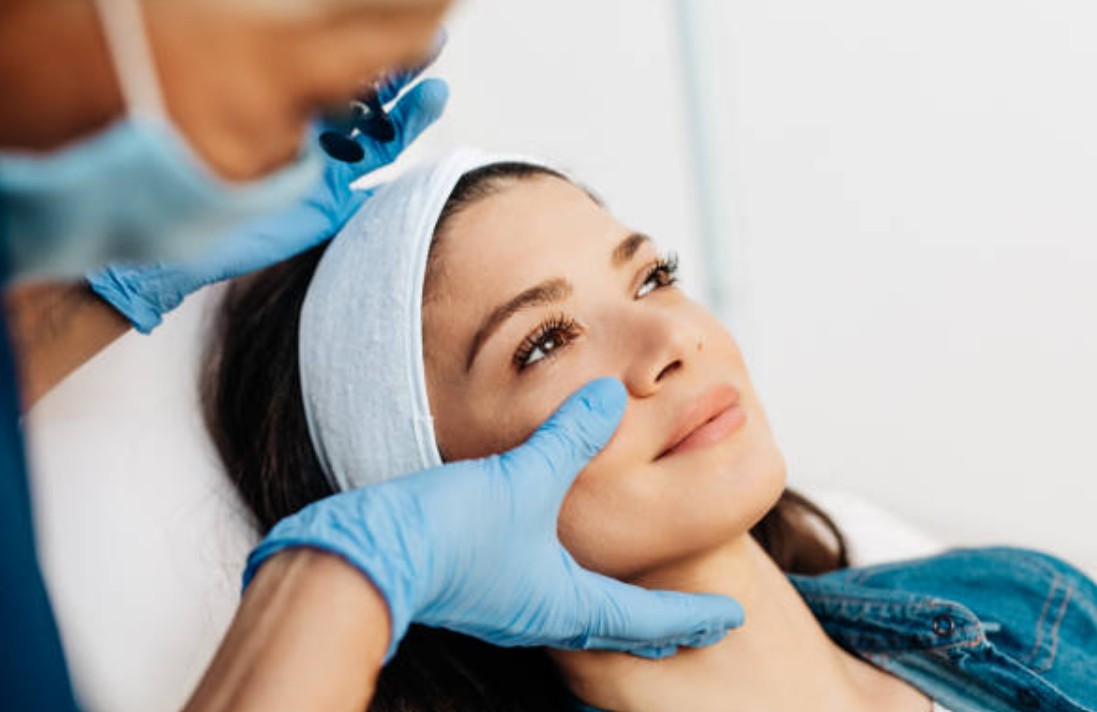
You have seen faces that look swollen or frozen after injectables. You may fear that could be you. That fear is fair. Good injectors share it with you. They plan every treatment to avoid an “overfilled” look. They protect your natural shape. They respect how your face moves when you talk, smile, or frown. At a trusted spa wellness clinic in Hudson Valley, careful injectors start low and move slow. They choose small amounts. They study your features in three views. They check how light hits your skin. They listen when you say what you do not want. They also say no when a request could harm your look. This quiet planning is the real work. It gives you soft change that others do not spot. It keeps your face yours.
Why “Overfilled” Happens
You do not wake up one day and look overfilled. It creeps in. It often starts with three patterns. You can watch for each one.
- Too much product in one visit
- Layering more product before older product fades
- Chasing trends that do not fit your bone structure
Your skin and tissue can only hold so much. When that limit is passed, cheeks puff. Lips stick out. Eyes look tight. The face loses its natural shadows and lines. You may look swollen and tired at the same time. That is when people say someone looks “done.”
How Good Injectors Plan Conservatively
Conservative planning does not mean “do nothing.” It means clear steps that protect your face. Good injectors follow three simple rules.
- Start with the least amount that can work
- Give time for the product to settle before adding more
- Match the plan to your age, health, and daily life
They review your health history. They ask about past fillers or toxin. They look at old photos. They want to see your natural face at rest and in motion. This slow review helps them spot where volume is lost and where lines come from muscle pull, not from lack of volume.
Understanding Fillers and Toxins
Most med spas use two main tools. Each carries a different risk of an overfilled look.
- Fillers add volume
- Botulinum toxin reduces muscle movement
The Food and Drug Administration explains dermal fillers and their risks. Fillers can plump lips, soften folds, and lift cheeks. When used in high amounts, they blur the natural edges of your features. Toxin softens lines from a frown or squint. Too much toxin can freeze your brows or give a flat look. A conservative plan uses both with care. One is not a fix for the other.
Signs Your Injector Uses a Safe, Conservative Approach
You can spot a careful injector by how the visit feels. Look for three signs at your consult.
- They ask many questions and listen more than they talk
- They explain what they will not do and why
- They suggest a step-by-step plan, not a huge change in one day
They use plain words. They show where the product would go with a mirror. They talk about side effects and rare risks. They also give you time to think before treatment. They do not push you to say yes that day.
Common “Overfilled” Trouble Spots
Some parts of the face show excess faster than others. You can ask direct questions about these spots.
- Cheeks. Too much filler here can create round “apple” cheeks that do not suit your age.
- Lips. Overfilled lips lose shape. The border blurs. The top lip may stick out past the bottom lip.
- Under eyes. Extra filler can cause puffiness and shadows. It can also move when you smile.
Good injectors often treat support areas first. For example, they may lift the mid face a small amount before touching the lips. This can ease lines around the mouth without heavy lip filler.
Conservative Planning vs Aggressive Filling
This table shows how a conservative plan compares with an aggressive plan during a first visit.
| Feature | Conservative Plan | Aggressive Plan |
|---|---|---|
| Total filler used | 1 to 2 syringes spread across key points | 3 to 5 syringes focused in one session |
| Goal for visit | Small change that blends with your face | Major change that is clear right away |
| Time between sessions | At least 2 to 4 weeks before adding more | Touch-ups in less than 2 weeks |
| Role of old photos | Used to guide natural shape and volume | Rarely reviewed or discussed |
| Use of toxin | Low dose in key muscles | High dose across wide facial zones |
| Discussion of risk | Clear talk about swelling and rare events | Short or vague talk about side effects |
Questions To Ask Before You Agree
You have the right to clear answers. You can bring this list and write notes.
- How much filler or toxin do you plan to use today
- What is the smallest amount that could still help
- What changes should I see at two weeks
- If I want more, how long should I wait
- Have you ever turned someone away because more products would not look right
- What is your plan if I do not like the result
The National Cancer Institute offers clear tips for talking with health staff about skin changes. The same style of open talk helps with cosmetic care. You should feel safe to say “That feels like too much” or “I want a slower plan.”
How To Protect Your Own Natural Look
Your choices matter as much as the injector’s skill. You can guard your face with three habits.
- Bring recent and older photos that show you at rest and smiling
- Use words like “soft,” “subtle,” and “natural” when you share your goal
- Set a clear stopping point for each visit
You can also take your time. You can leave, think about the plan, and return another day. Your face carries your history. It deserves calm choices, not rushed ones.
When To Pause Or Step Back
If you start to feel less like yourself in the mirror, it may be time to pause. Signs include three feelings.
- You hide from photos because your face looks strange to you
- You keep asking for “just a little more” but feel less happy each time
- People say you look tired or upset even when you feel fine
At that point, a good injector may suggest waiting for the product to fade. They may use a dissolving enzyme for some fillers. They may also guide you toward skin care, sun safety, and sleep habits that support your face without more volume.
Key Takeaways
You can avoid an overfilled look. Choose injectors who plan with care. Ask clear questions. Set limits. Trust slow change. Your face should still look like you after any treatment.


About the Author