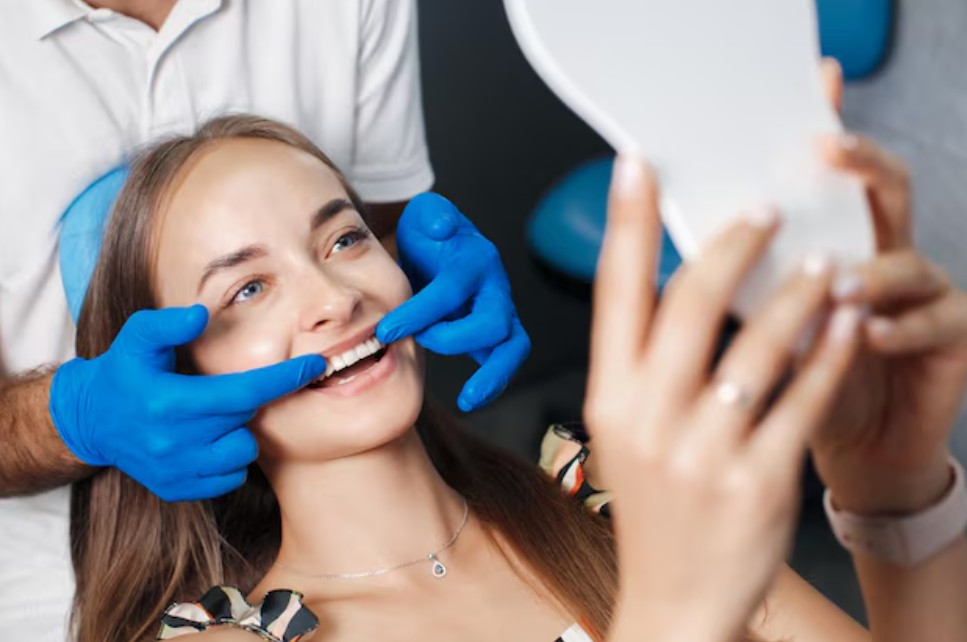
Preventive dental care now depends on smart use of technology. Your regular visit is no longer just a quick look and a cleaning. It is a focused check that uses digital tools to spot trouble early and protect your teeth longer. A Monterey Park dentist can now see small changes in your teeth and gums that once went unnoticed. That means fewer surprises and fewer painful emergencies. Digital X-rays use less radiation and show clear images. Intraoral cameras let you see what your dentist sees. Simple software tracks changes in your mouth over time. Each tool supports clear choices. You understand what is happening and what you can do at home. This mix of hands-on skill and technology gives you stronger daily habits, faster visits, and treatment that fits your needs. You walk out informed, prepared, and more in control of your health.
Why early detection protects your whole body
Tooth decay and gum disease grow in silence. You often feel nothing until the damage is serious. New tools help your dentist find risk before you feel pain. That protects more than your smile. It also supports your heart, blood sugar, and immune system.
The link between oral health and body health is clear in research from the Centers for Disease Control and Prevention. Gum disease is connected with diabetes, heart disease, and problems in pregnancy. When your dentist uses better screening tools, you get an early warning for both mouth and body.
Key technologies you now see in the dental chair
Most general offices now use a core set of tools that shape every checkup.
- Digital X rays. These use sensors instead of film. You get less radiation and a clear image in seconds.
- Intraoral cameras. These tiny cameras sit on a thin wand. You see cracks, stains, and plaque on a screen.
- Caries detection devices. These lights or scanners help find weak spots before a full cavity forms.
- Digital charting. Your dentist records pocket depth, recession, and worn spots in the software. Changes stand out fast.
- Patient education screens. Photos and simple graphics show you what is going on in your mouth.
Each tool has one goal. It gives you and your dentist clear proof so you can act early.
Also Read: 4 Dental Cosmetic Procedures That Boost Confidence Across Generations
How technology changes your routine visit
Your preventive visit now follows a sharper path. You still get cleaning and a check. Yet each step uses technology to guide the next choice.
- Your hygienist takes digital X-rays when needed. You see the image at once.
- They scan your mouth with an intraoral camera. You see plaque, tartar, and red gum spots.
- They record gum measurements in digital charts. The software flags deep pockets.
- Your dentist reviews the images with you. Together, you choose the next steps.
You do not just hear that a tooth has a problem. You see it. That tends to change how you brush, floss, and eat once you get home.
Comparing traditional and technology-supported preventive care
| Feature | Traditional preventive care | Technology supported preventive care |
|---|---|---|
| Decay detection | Visual check and explorer tool | Visual check plus digital X-rays and caries scanner |
| Gum health tracking | Paper charting once or twice a year | Digital charting with trend tracking and alerts |
| Patient understanding | Verbal explanation only | Intraoral photos, screen images, and clear printouts |
| Radiation exposure | Higher with film X rays | Lower with digital sensors |
| Visit length | More time spent on setup and film processing | More time spent on teaching and planning care |
This change is quiet but strong. You gain early answers, clear visuals, and a plan that fits your risks.
Support for children, adults, and older adults
Technology helps every age group in a different way.
- Children. Early images show weak enamel and crowding. You can start sealants, fluoride, and habit coaching sooner.
- Adults. Digital tracking shows how stress, grinding, or diet harms teeth. You can adjust before the damage is large.
- Older adults. Images reveal dry mouth damage, root decay, and bone loss. That helps protect teeth longer and supports safe eating.
The National Institute of Dental and Craniofacial Research shares clear data on how risk changes with age. Your dentist uses that knowledge with new tools to build a personal plan.
Technology that follows you home
Preventive care does not stop when you leave the chair. New tools help you keep gains at home.
- Secure portals let you see your X-rays, notes, and reminders.
- Text alerts keep your checkups and cleanings on your calendar.
- Printed images and short care sheets guide your brushing and flossing.
You no longer have to guess if you are brushing well enough. You have proof from your last visit and a clear target for the next one.
How to use this technology to your advantage
You do not need to be a tech expert. You only need to ask direct questions and stay active in choices.
- Ask to see your X-rays and intraoral photos on the screen.
- Ask your dentist to show changes since your last visit.
- Ask what you can do at home to improve the next set of images.
Then use three simple steps. Keep regular checkups. Follow home care instructions. Call early when you see or feel a change. Technology gives your dentist a sharper vision. Your steady action gives that vision real power.


About the Author