You notice the change before anyone else does. Your dog skips a meal, your cat hides longer than usual, or a small limp turns into something you cannot ignore. That uneasy feeling builds fast, because pets cannot explain what hurts, and waiting can make a simple problem harder and more expensive to treat. Knowing what happens at an animal hospital takes some of the fear out of the visit, especially when you are looking for veterinary services in Burlington. Most appointments come down to a few core services that protect your pet’s health, catch trouble early, and treat urgent needs before they get worse.
4 common procedures performed at animal hospitals usually include physical exams, vaccinations, diagnostic testing, and spay or neuter surgery. These are routine for veterinary teams, but they do not feel routine when it is your pet on the exam table. You want clear answers, fair costs, and a plan that makes sense.
Physical exams at an animal hospital catch problems before they grow
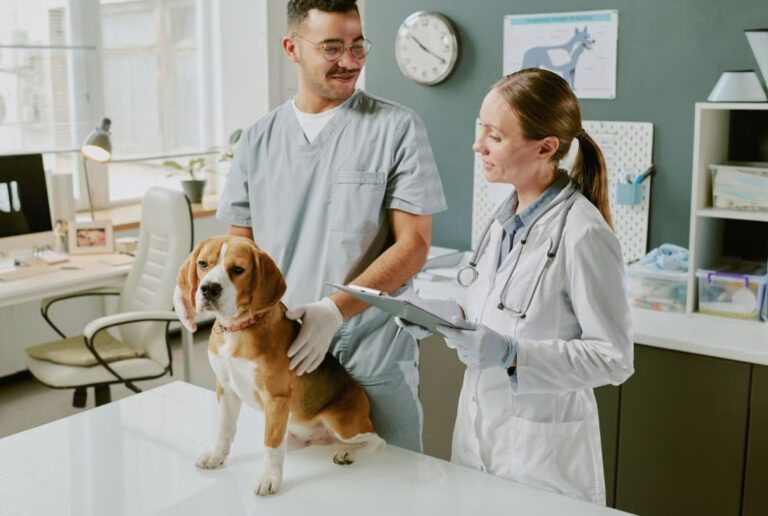
A physical exam sounds basic, but it does a lot of work. During this visit, the veterinarian checks weight, heart and lung function, eyes, ears, teeth, skin, joints, and abdomen. They also look at behavior, appetite, and energy changes, because those details often point to pain or illness before test results do.
This is where many owners realize that a “small issue” was not so small. Bad breath can mean dental disease. Scooting can point to anal gland trouble. Weight loss can signal anything from parasites to diabetes. A yearly or twice yearly exam gives the hospital a baseline, which makes it easier to spot changes early. Preventive care guidance like the recommendations in these preventive health care guidelines for dogs helps explain why routine visits matter even when your pet seems fine.
If you have ever worried about being judged for bringing your pet in “too soon,” that worry is common and usually misplaced. Early visits often mean simpler treatment, less pain for your pet, and lower costs for you.
Vaccinations protect pets and the people around them
Vaccines are one of the most common procedures in a veterinary hospital, and they do more than protect a single animal. They reduce the spread of contagious disease in homes, parks, boarding facilities, and shelters. Core vaccines for dogs and cats are based on age, lifestyle, and risk. Rabies stands out because it protects both animal and human health.
That matters if your pet spends time outdoors, meets other animals, or has any chance of biting when frightened. Rabies rules are strict for a reason, and the CDC rabies guidance for veterinarians shows how seriously exposure is handled. For dog owners, the CDC healthy dogs resource also covers disease prevention, hygiene, and safe handling.
Skipping vaccines can feel like a money saving choice in the moment. It often turns into the opposite. Treating parvovirus, kennel cough complications, or exposure related quarantine issues costs far more than prevention. If your pet has a medical condition or past vaccine reaction, the hospital can adjust the schedule instead of using a one size fits all plan.
Diagnostic testing gives fast answers when symptoms are vague
Pets rarely present with neat, obvious symptoms. Vomiting could be a mild stomach upset, or it could be a blockage. Drinking more water could mean stress, kidney disease, or diabetes. Diagnostic tests help narrow that down.
Common tests at an animal hospital include bloodwork, urinalysis, fecal exams, X rays, and sometimes ultrasound. These procedures are often the turning point between guessing and knowing. When a veterinarian recommends testing, it is usually because the exam alone cannot safely tell the full story.
This can be the hardest moment for owners, because the estimate grows and the choices feel urgent. If the hospital says your pet needs imaging or lab work the same day, ask what problem they are trying to confirm or rule out. That question often brings instant clarity. You are not just paying for a test. You are paying to avoid missing dehydration, internal injury, infection, organ disease, parasites, or something surgical.
Also Read: Why Animal Hospitals Focus On Long Term Preventive Care
Spay and neuter surgery remains one of the most common pet hospital procedures
Pet hospital procedures often include spay and neuter surgery because these operations affect long term health, behavior, and population control. Spaying can reduce the risk of uterine infection and certain reproductive cancers. Neutering can lower the chance of some testicular and prostate issues, and it may reduce roaming or hormone driven behavior in some pets.
Surgery is still surgery, so it is normal to feel nervous. Your pet will usually have a pre operative exam, sometimes bloodwork, anesthesia monitoring, pain medication, and discharge instructions for home recovery. Most animals recover well with rest, limited activity, and close watching for swelling, licking, or appetite changes.
Owners often underestimate the recovery period. The procedure itself may be done in hours, but the home care matters just as much. If your pet is active, stubborn, or skilled at removing cones, planning ahead saves stress.
Comparing common animal hospital services by purpose, timing, and follow up
| Procedure | Main Purpose | When It Is Commonly Done | Typical Follow Up |
|---|---|---|---|
| Physical exam | Find early signs of illness, pain, or weight change | Yearly, twice yearly for seniors, or when symptoms appear | Home monitoring, treatment plan, or added testing |
| Vaccinations | Prevent contagious and zoonotic disease | Puppy and kitten series, boosters, risk based adult schedule | Mild soreness watch, booster reminders |
| Diagnostic testing | Confirm or rule out disease, injury, or parasites | When symptoms are unclear or before some treatments | Results review, medication, diet change, or surgery referral |
| Spay or neuter surgery | Prevent reproduction and reduce some health risks | Based on age, breed, and veterinary guidance | Rest, incision checks, pain control, recheck if needed |
Three steps you can take before your next animal hospital visit
Track the changes. Write down when symptoms started, how often they happen, what your pet ate, any vomiting or bathroom changes, and whether energy or behavior shifted. A short timeline helps the veterinarian much more than trying to remember details under stress.
Ask for the goal of each procedure. If a test, vaccine, or surgery is recommended, ask what it is meant to prevent, detect, or treat. That keeps the conversation focused and helps you make decisions without feeling cornered.
Plan for follow through at home. Many treatments fail because pets will not take medication, wear the cone, or stay calm after surgery. Set up a quiet recovery space, have treats or pill tools ready, and know who will monitor your pet during the first day or two.
Most visits to an animal hospital are built around prevention, early detection, and timely treatment. That does not erase the worry you feel when your pet is sick, but it does give you a clearer path. When you understand the common procedures, you can ask better questions, act sooner, and make choices with less panic and more confidence.
If your pet is due for care or showing signs that something is off, schedule an appointment with an animal hospital and get answers before a manageable problem turns into a crisis.


About the Author