The last weeks of summer are when the wardrobe conversation shifts in a way that is easy to ignore until it is too late. The temperature is still warm enough that buying a sweater feels premature, but fall arrives quickly and the good pieces, the ones worth having, tend to sell out or get picked over before the season is fully underway. Men who wait until the first genuinely cold week to think about their knitwear tend to end up either with whatever is left or with a last-minute purchase that was not the right choice but felt necessary at the time.
Buying a cashmere sweater before fall rather than during it is a different kind of decision because the motivation is forward planning rather than immediate need. That mental shift tends to produce better choices. There is more time to think about what is actually missing from the wardrobe, what colors and shapes would work with what already exists, and whether a single well-chosen piece would do more than two or three pieces that were bought in a rush.
What to Look for in a Men’s Cashmere Sweater
The weight of a cashmere sweater is the first practical consideration, and it is worth being deliberate about rather than defaulting to whatever is available. A lighter weight in a single or fine double-ply construction is more versatile in early fall, when temperature variation across a day can be considerable and a heavier sweater would be too warm by midday. A mid to heavier weight comes into its own later in the season when the temperature has settled into a more consistent range. Buying one of each weight, rather than two in the same construction, extends the useful period of the investment across a longer window.
Neck shape affects how a men’s cashmere sweater fits into a rotation more than most men account for when making a selection. A crew neck in a neutral tone works as a standalone piece or as a mid-layer under a jacket or coat without disrupting the collar line. A V-neck sits differently under a blazer and works well with a shirt collar visible underneath, which is a useful configuration for work environments where the dress code falls somewhere between formal and casual. A polo or half-zip neck occupies a more specific aesthetic territory that suits some wardrobes and not others. Men who are building out a cashmere wardrobe for the first time tend to get the most use from a crew or v-neck in a first purchase and add other necklines from there.
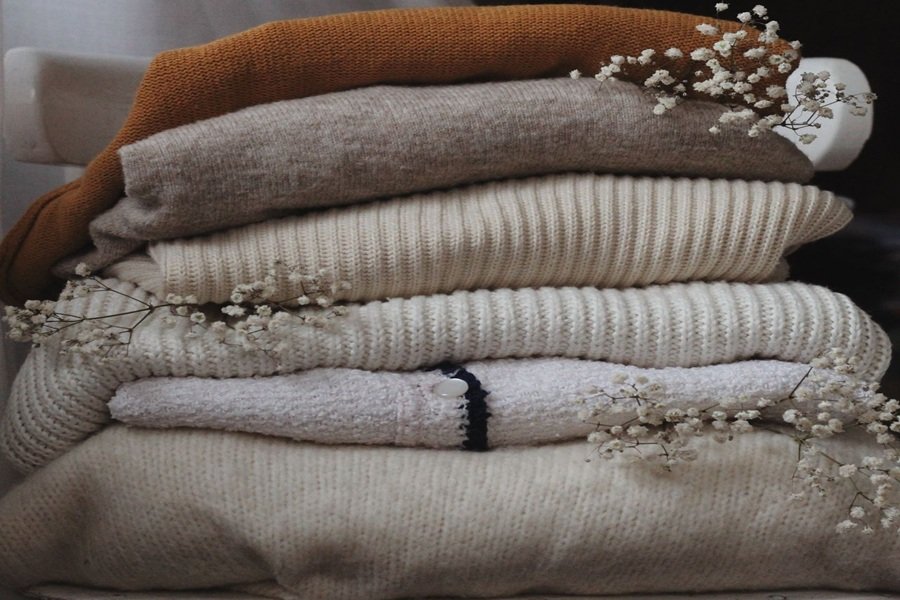
Color discipline in a knitwear rotation tends to produce a more useful wardrobe than color variety for its own sake. A mid-grey, a camel or tan, and a navy cover most of the color combinations that arise in a men’s wardrobe across different seasons without creating the situation where nothing goes with anything else. Each of these in cashmere also ages better than more trend-specific colors do, which is relevant for a piece that should be worn for several years rather than replaced annually. Gobi Cashmere’s men’s sweater range covers this territory with a quality of fiber that reflects the brand’s direct sourcing from Mongolian herder communities, and looking through the men’s cashmere sweaters collection gives a clear picture of what is available across weights, styles, and colors before fall selection begins.
Also Read: Creating a Capsule Closet Out of Timeless Men’s Trousers
The Case for Buying Before the Season Peaks
Pre-season buying in cashmere is not only about selection. It is also about the preparation that allows a new piece to be worn immediately when the temperature calls for it rather than taking it out of the packaging when it is already needed. A cashmere sweater benefits from being aired before first wear, and having it available in the wardrobe a week or two before it is needed means the first wear is a considered one rather than a hurried one. Small details, but they affect how a purchase feels in the early weeks of ownership. The wider product context, including layering pieces and accessories that work alongside the sweater range, is available through the main Gobi Mongolian Cashmere collection overview.
Pilling, which is the formation of small fiber balls on the surface of a cashmere garment, is something men often encounter early in a sweater’s life and sometimes misinterpret as a sign of poor quality. It is actually a natural result of short fiber ends working their way to the surface through wear and friction, and it occurs even in high-quality cashmere during the initial period of use. A cashmere comb used gently after the first few wears removes the pills and restores the surface, and this becomes less necessary as the garment settles with use. Knowing this before the first wear makes the experience of owning cashmere more straightforward than discovering it as a surprise.


About the Author