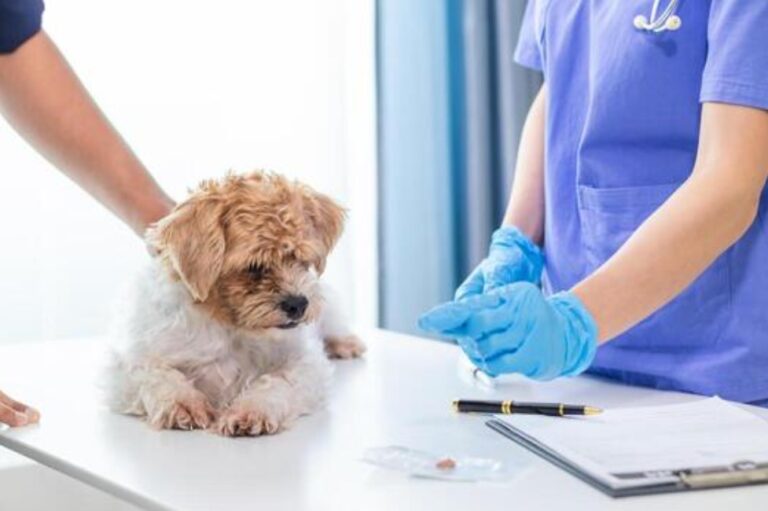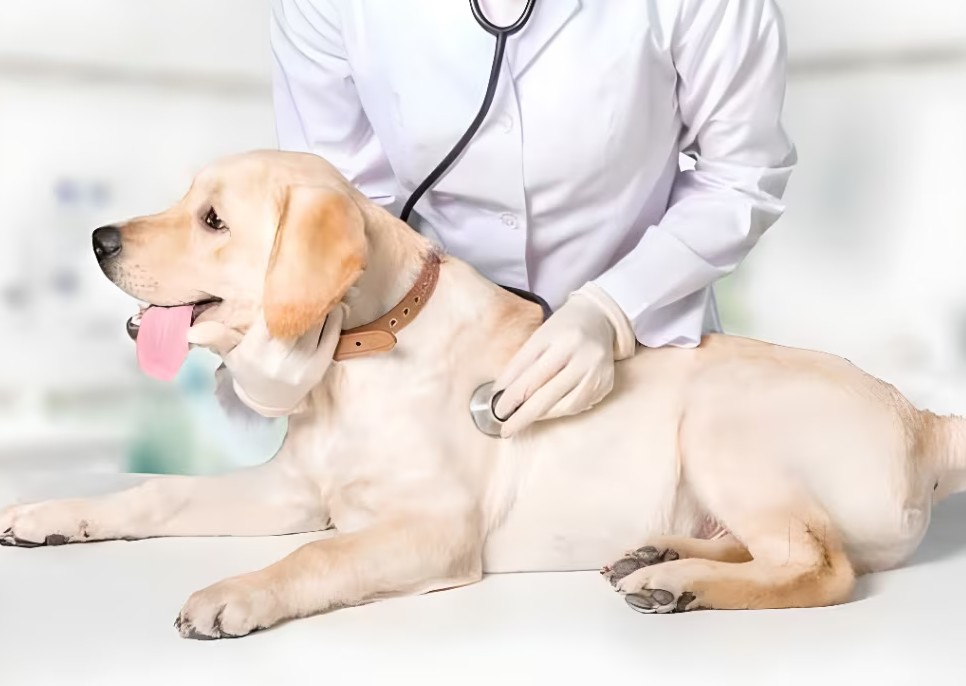
Your pet cannot explain early pain or sickness. You must catch the warning signs before they turn into a crisis. Early detection saves lives in veterinary medicine. It also cuts down on suffering, fear, and high emergency bills. Routine exams, blood work, and simple screening tests can reveal hidden problems long before you notice a limp, cough, or change in appetite. Then treatment can start when it is still simple and gentle. A veterinarian in Lambertville can check your pet’s heart, teeth, weight, and organs during regular visits. That visit may uncover silent disease that would stay hidden for months. Early care also protects your bond with your pet. It keeps your pet active, present, and close to you for more years. When you choose early detection, you choose less regret and more time.
Why silent illness is so dangerous
Many serious problems grow quietly. You may not see clear signs until damage is severe. Heart disease, kidney disease, diabetes, arthritis, and some cancers often start with no clear change at home. Your pet still eats. Your pet still plays. You relax. The problem grows.
By the time you see weight loss, heavy drinking, hard breathing, or weakness, organs may already be hurt. Then care is harder. Costs rise. Choices shrink. Early detection breaks that pattern. It turns a late emergency into a planned, simple visit.
How regular checkups protect your pet
Each routine visit gives three main layers of protection.
- Talk with your vet. You share changes in thirst, appetite, bathroom habits, sleep, or mood.
- Hands on exam. The vet checks eyes, ears, mouth, skin, belly, joints, heart, and lungs.
- Basic tests. Blood work, urine tests, and stool checks look for hidden trouble.
These steps work together. A small change in blood work combined with a slight weight shift may point to early kidney disease. A soft heart sound with a mild cough may show early heart disease. You get a clear plan while your pet still feels strong.
Common diseases caught early
Many conditions respond well when you find them at the start. Here are three common ones.
- Kidney disease. Early blood tests can show stress on the kidneys. You can adjust food, water intake, and medicine. That can slow the disease and add years.
- Dental disease. Gum infection starts as mild redness. With a dental cleaning and home care, you prevent tooth loss and pain that spreads to the heart and kidneys.
- Diabetes. Subtle changes in weight and thirst, plus lab results, can catch diabetes before a crisis. With food changes and insulin, many pets stay stable and calm.
The American Veterinary Medical Association explains that regular wellness care and testing raise the chance of catching these problems early. Simple steps today prevent deep pain later.
Costs of early care vs emergency care
Money choices are hard. You may ask if yearly testing is worth the price. A simple comparison helps. Early care often looks small. Emergency care often crushes your budget and your sense of control.
| Type of care | Typical visit timing | Sample cost range | Common outcome |
|---|---|---|---|
| Wellness exam with basic tests | Once or twice each year | $150 to $300 | Early disease found. Simple treatment plan. |
| Chronic disease care started early | After mild lab changes | $50 to $150 per month | Stable health. Longer, more comfortable life. |
| Emergency visit for late disease | After crisis signs | $800 to $3,000 or more | Hospital stay. Tough choices. Higher risk of loss. |
These numbers are estimates. They show a clear truth. Small, planned costs now can prevent crushing surprise bills later.
What early screening includes
Early detection does not always mean heavy testing. It often uses simple, quick checks.
- Blood work. Counts blood cells and checks liver, kidney, sugar, and electrolytes.
- Urine test. Shows kidney health, infection, sugar, and crystals.
- Stool test. Look for worms and other parasites that drain strength.
- Blood pressure check. Finds silent high blood pressure that harms the eyes, brain, and kidneys.
- Imaging. X-rays or ultrasound when the exam or tests raise concern.
The Centers for Disease Control and Prevention also reminds pet owners that early care protects human health by reducing germs that pass between pets and people. Healthy pets support healthy homes.
How often does your pet need a checkup?
Needs change with age and health status. A simple guide can help you plan.
- Puppies and kittens. Visits every 3 to 4 weeks until vaccine series is done. Then, a full check once a year.
- Adult pets. At least one wellness visit each year. Some pets need two based on breed or health history.
- Senior pets. Often, two visits each year with blood work and urine tests. Your vet may suggest more for pets with chronic disease.
Talk with your vet about your pet’s age, breed, and past issues. Then set a schedule and stay with it. Routine builds safety.
Warning signs you should never ignore
Regular visits matter. Sudden changes at home matter too. Call your vet soon if you see any of these three groups of signs.
- Fast changes in appetite or weight. Heavy thirst or urination. Repeated vomiting or loose stool.
- Coughing, hard breathing, fainting, or clear weakness.
- Seizures, severe pain, or swelling that appears without a clear cause.
Acting fast does not mean you overreact. It means you refuse to watch your pet suffer in silence.
Taking the next step today
You cannot control every illness. You can control how early you look for it. Call your vet. Set the next wellness visit. Ask about blood work and urine tests that match your pet’s age. Write down any changes you have seen at home and bring that list.
Early detection is not just medical care. It is an act of loyalty. You guard the quiet years, not only the crisis days. You choose to stand between your pet and avoidable pain. That choice brings you more shared mornings, more calm nights, and more time to say goodbye when the day finally comes.


About the Author