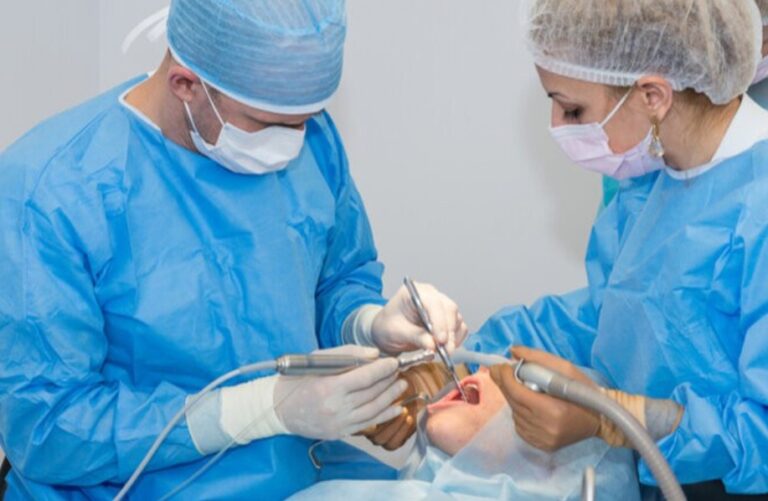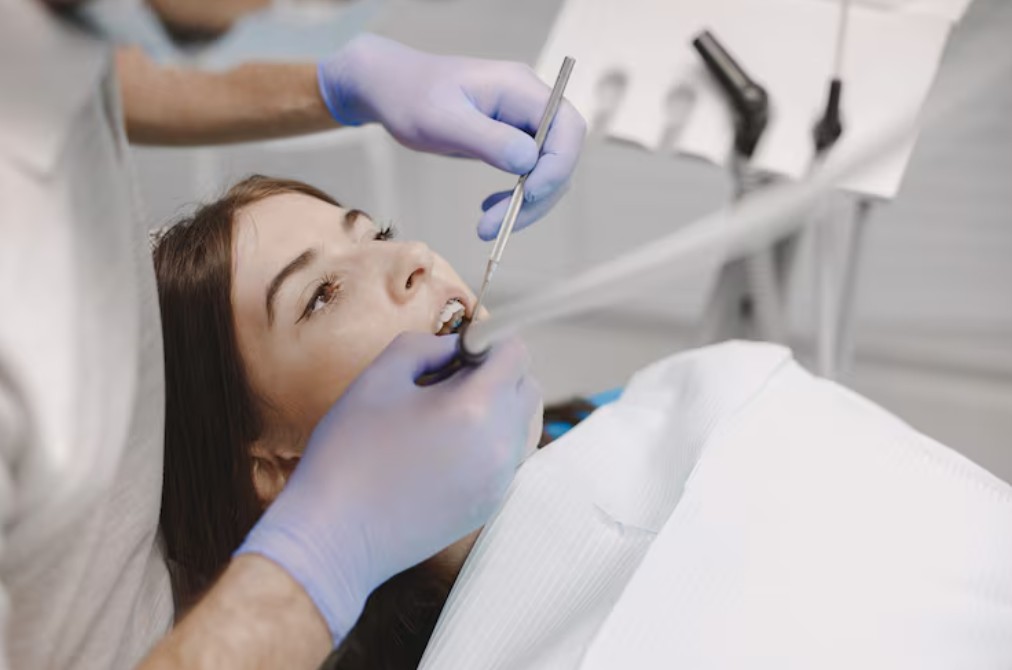
Your smile sends a message before you speak. Crooked lines, uneven gums, or a tilted midline can change how others see your confidence and health. Smile symmetry affects more than looks. It guides every step of planning for a dental implant in Walnut Creek and other cosmetic treatments. When your teeth, gums, and lips match on both sides, your face looks calmer and more balanced. When they do not match, even small changes stand out. Careful planning of tooth shape, size, and position helps your new tooth fit your natural look. Careful planning also protects your bite and jaw comfort. You deserve clear answers about how symmetry shapes your options. You also deserve a plan that respects your time, budget, and fears. This blog explains how symmetry affects results, what your dentist measures, and how you can prepare for treatment.
What Smile Symmetry Really Means
Smile symmetry means the left and right sides of your smile look similar. They do not need to match like a mirror. They only need to look equal to the human eye.
Three parts work together.
- Teeth
- Gums
- Lips and face
You may notice one front tooth that looks longer. You may see gum tissue that looks higher on one side. You may see your smile tilt toward one shoulder in photos. These small details shape how others read your mood and health.
Research from the National Institute of Dental and Craniofacial Research shows that damaged or missing teeth are common. That fact means many people must replace teeth in the front of the mouth. In those spots, symmetry matters for both comfort and social trust.
How Symmetry Guides Dental Implant Planning
A dental implant is more than a single tooth. It must fit your whole smile. Your dentist studies three key points before treatment.
- Where the missing tooth sits in your smile line
- How the gum edges line up with nearby teeth
- How your upper and lower teeth meet when you bite
If the tooth sits in the front, even a small mismatch in length or tilt can look harsh. If the gum line on the implant tooth sits higher than the other front tooth, your smile can look tense. If the implant crown is too wide, it can crowd the lips and change speech.
Careful symmetry planning helps you avoid three common problems.
- A front tooth that looks fake or too perfect
- Bite strain on one side of the jaw
- Food traps between teeth that are too tight or too far apart
Cosmetic Choices That Affect Symmetry
Most people do not want a movie star smile. You want a healthy, calm look that fits your age and face. Symmetry guides that goal.
Your dentist may talk with you about three choices.
- Tooth length and width for front teeth
- Gum shaping around visible teeth
- Color matching between natural teeth and crowns
Shorter or longer front teeth change how much you show when you smile or talk. Gum shaping can even out a lopsided smile. Careful color matching keeps the implant tooth from looking too bright or too dark.
The American Dental Association’s MouthHealthy site explains that cosmetic treatment should protect tooth structure and support good daily care. Symmetry planning follows that rule. It seeks a natural look and a cleanable design at the same time.
Also Read: Why Tele Dentistry Is Becoming An Essential Tool For Busy Families
Symmetry in Dental Implants vs Other Cosmetic Options
The table below compares how much symmetry affects common treatment choices.
| Treatment type | Main goal | Role of symmetry | Common use |
|---|---|---|---|
| Single dental implant | Replace one missing tooth | High. Tooth length, width, and angle must match nearby teeth. | Front or back tooth loss |
| Implant bridge | Replace several missing teeth | High. Arch shape and bite forces must balance both sides. | Three or more missing teeth in a row |
| Porcelain veneer | Change shape or color of front teeth | High. Both sides of the smile must look equal in width and height. | Chipped or stained front teeth |
| Tooth whitening | Lighten tooth color | Medium. Color must match from side to side and with any crowns. | General stain from coffee, tea, or age |
| Orthodontic treatment | Straighten teeth and align bite | Very high. Jaw position, midline, and arch width affect full face balance. | Crowding, gaps, or bite issues |
What Your Dentist Measures During a Smile Study
Before you start treatment, your dentist should study your bite and smile. You may see photos and digital scans. You may see drawings on the images. Each mark has a purpose.
Three common checks include.
- Midline. The line between your two upper front teeth and how it lines up with your face.
- Smile curve. The curve of your upper teeth and how it follows your lower lip.
- Gum line. The height of gum edges across the front teeth.
If your midline tilts, your dentist may suggest small tooth shape changes or orthodontic care. If your smile curve looks flat, the front teeth may need length. If one gum edge sits lower, gentle gum shaping may help.
These steps protect your long-term comfort. They also reduce the risk of regret after a large change.
How Smile Symmetry Affects Daily Life
Smile symmetry affects more than photos. It shapes daily moments.
- Speech. Uneven teeth or crowns can affect how your tongue touches your teeth for sounds.
- Chewing. Bite imbalance can push most chewing to one side.
- Jaw comfort. Uneven bite forces can strain jaw joints and muscles.
Balanced teeth and gums help you chew on both sides. That support lowers stress on your jaw joints and neck. It also helps you eat a wider range of foods with less fear of pain or breakage.
How You Can Prepare For a Symmetry Focused Visit
You play a strong role in the plan. Three steps can help before you see your dentist.
- Study photos of your smile from the front and side. Note what feels off.
- Write three main goals. For example, close a gap, match one front tooth, or feel safer when eating.
- List any jaw pain, headaches, or chewing trouble. These clues help your dentist link comfort and symmetry.
Bring your questions about cost, time, and healing. Ask your dentist to show how each choice will affect symmetry. Ask to see before and after photos of similar cases when possible.
When “Perfect” Symmetry Is Not the Goal
Human faces are not perfectly even. A fully mirrored smile can look strange. The goal is harmony, not flaw-free teeth.
Your dentist may keep a small gap or slight tilt if it matches your face and speech. That choice can protect tooth structure and lower costs. It can also help you still look like yourself after treatment.
True success comes when you can speak, eat, and smile without fear. A calm, balanced smile supports that daily freedom.
Next Steps
If you think your smile feels lopsided, you are not alone. Many people live with missing, chipped, or crowded teeth for years. Careful symmetry planning can turn one new tooth or one cosmetic change into a full smile reset.
Ask for a smile study that looks at your whole face, not just one tooth. Ask how each treatment choice will protect both your look and your bite. With clear planning and honest talk, you can choose care that fits your body, your story, and your goals.


About the Author