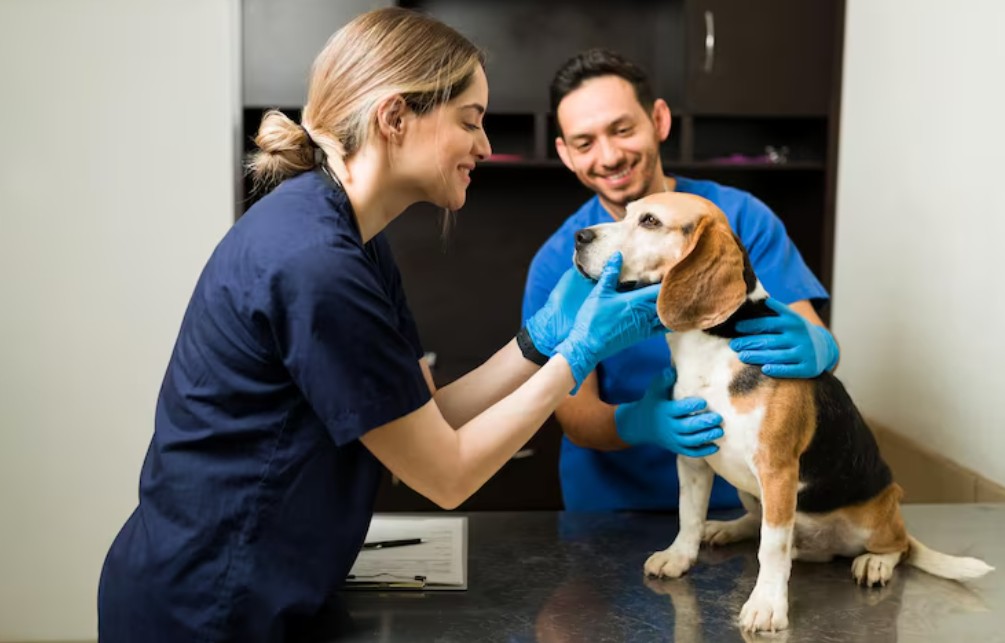
Your older pet depends on you more with each passing year. Age brings stiff joints, fading eyesight, and quiet changes inside the body that you cannot see. Regular visits to an animal hospital help catch these changes early. That can mean less pain and more comfort for your pet. It can also mean more time together. A veterinarian in Groves, TX can track your pet’s weight, heart, teeth, and behavior. They can adjust food, medicine, and daily routines before small problems grow into crises. Senior pets often hide discomfort. You may not notice slow damage until it is severe. Animal hospitals use exams, blood tests, and simple checks to find trouble early. That early help protects your pet’s dignity. It keeps daily life calmer for both of you.
Why senior pets need different care
Age changes your pet’s body in slow steps. You may see gray hair and slower walks. You may not see kidney strain, heart stress, or early cancer. Those changes raise the risk of sudden emergencies.
Animal hospitals understand these changes. They use set checklists for senior pets. You get a plan that matches your pet’s age, species, and past health. That structure gives you clear steps instead of guesswork.
According to the American Veterinary Medical Association, many age related diseases start before you see any signs. Regular exams catch them in a stage when treatment can slow or even stop damage.
How often you should visit the animal hospital
Puppies and kittens need many visits in the first year. Senior pets need a new rhythm. Once a year is usually not enough. Most veterinarians recommend at least two wellness visits each year for senior dogs and cats. Some pets need more.
Typical visit schedule by life stage
| Life stage | Approximate age | Suggested wellness visits per year |
|---|---|---|
| Puppy / Kitten | 0 to 1 year | 3 to 4 visits |
| Adult | 1 to 7 years | 1 visit |
| Senior | 7 to 10 years | 2 visits |
| Geriatric | 10 years and older | 2 to 3 visits |
This schedule may change based on species, breed, and known disease. An animal hospital helps you adjust the plan as your pet grows older.
What happens during a senior pet visit
Senior visits go beyond a quick look. Each visit should include three core parts.
First, you share changes you see at home. You might notice:
- Less interest in play or walks
- New accidents in the house
- Weight gain or weight loss
- Drinking or urinating more
- Confusion at night or pacing
Second, the veterinarian performs a full exam. This usually covers:
- Heart and lungs
- Eyes and ears
- Teeth and gums
- Joints and muscles
- Skin and coat
- Abdomen and lymph nodes
Third, the animal hospital may run tests. Common tests for senior pets include:
- Blood work to check organs such as kidneys and liver
- Urine testing to look for infection or kidney change
- Blood pressure checks
- X rays for joints or chest
The Centers for Disease Control and Prevention notes that good veterinary care also protects human health. Healthy pets carry fewer infections that can pass to family members. Your trips to the animal hospital protect your home as well as your pet.
Pain control and comfort
Pain in older pets is common and often silent. Your pet may not cry or limp. You might only see small changes such as slow steps on stairs or less jumping onto the couch. Animal hospitals are trained to spot these signs.
Your veterinarian may suggest:
- Pain medicine that is safe for long term use
- Joint support supplements
- Weight loss plans to ease strain on joints
- Simple home changes such as ramps or rugs
Without this help, pain can turn each day into a struggle. With it, your pet can move with more ease and sleep better. That comfort often reduces anxiety and irritability. It also lowers the risk of bites or sudden snapping when someone touches a sore spot.
Nutrition and weight control
Food needs change with age. Senior pets burn fewer calories. They may lose muscle. They also face higher risk of heart disease, kidney disease, and diabetes.
An animal hospital can:
- Check weight trends over time
- Measure body condition, not just pounds
- Recommend senior diets that match organ health
- Set safe weight loss or weight gain goals
Small shifts in diet can add comfort. For example, a kidney support diet can slow kidney damage. A heart support diet can reduce fluid buildup. You cannot guess these needs at home. You need blood work and a care plan.
Behavior and memory changes
Some senior pets develop changes similar to human dementia. They may forget house training. They may get stuck in corners. They may bark or cry at night.
These signs can feel crushing. You might worry that you are doing something wrong. An animal hospital can separate behavior from disease. Your veterinarian may:
- Rule out pain, infection, or organ problems
- Suggest simple routines and mental games
- Prescribe medicine for anxiety or cognitive change
- Offer tips to keep nights calmer
Early help can slow decline. It also protects your bond with your pet. You will understand what is happening and how to respond with patience.
Also Read: How General Vets Handle Surgical Procedures With Care
Planning for emergencies and hard choices
Senior pets face higher risk of sudden crises. These might include heart failure, strokes, or severe organ failure. Regular animal hospital visits help you prepare.
During wellness visits, you can ask three key questions.
- What emergencies are most likely for my pet
- What warning signs should send me to the hospital right away
- What treatments are realistic for my pet’s age and health
This planning does not shorten your pet’s life. It gives you control. When hard moments come, you will not feel alone or lost. You will have already discussed options such as oxygen, hospital stays, or kind euthanasia. That preparation reduces guilt and panic.
Your role as your pet’s advocate
Your senior pet cannot speak. You are the voice. Animal hospitals give you the tools to speak with knowledge.
You can support your pet by following three steady steps.
- Schedule and keep regular senior wellness visits
- Watch for subtle changes and write them down
- Ask clear questions and request plain language answers
Each visit is a chance to reduce pain, extend comfort, and protect your pet’s sense of self. With the support of an animal hospital, you can give your older pet more good days and fewer hard ones. That is the deepest measure of quality of life.


About the Author