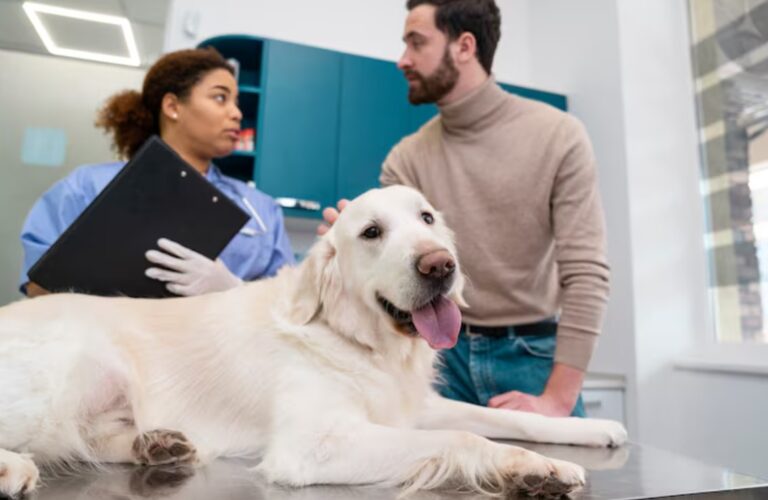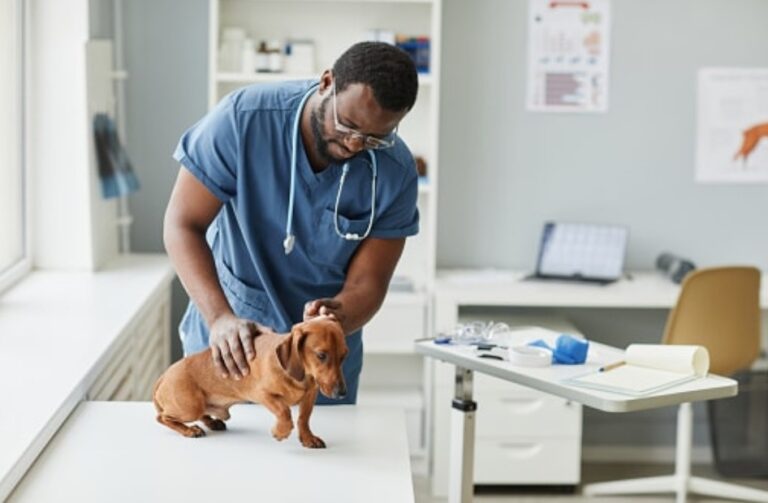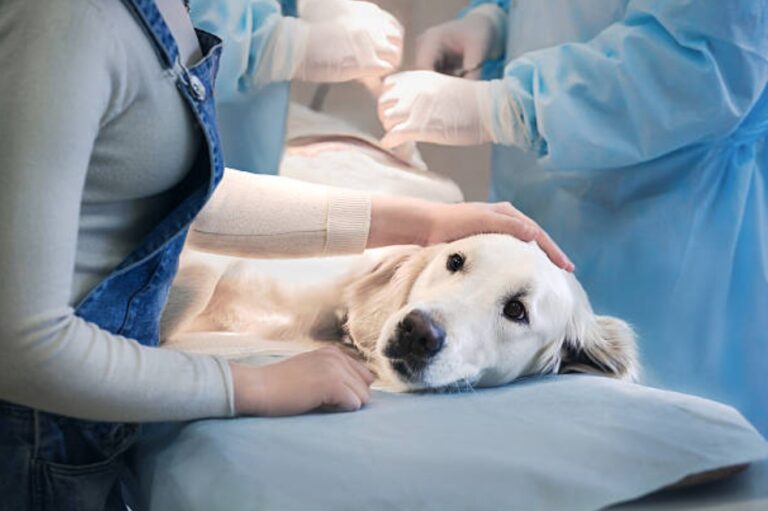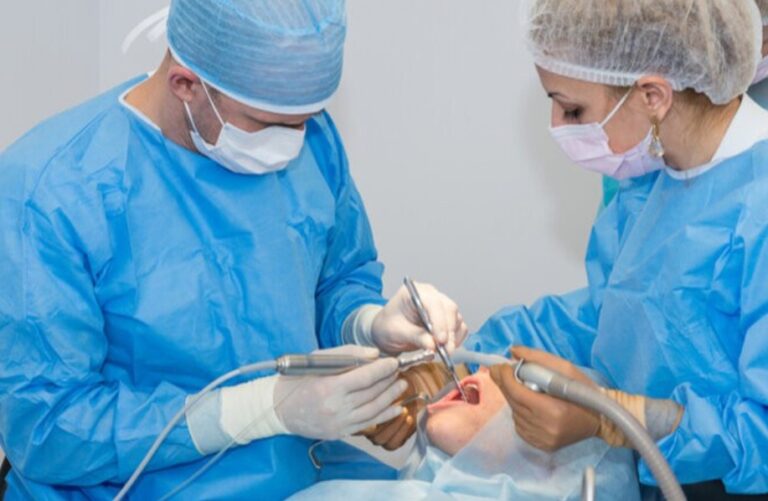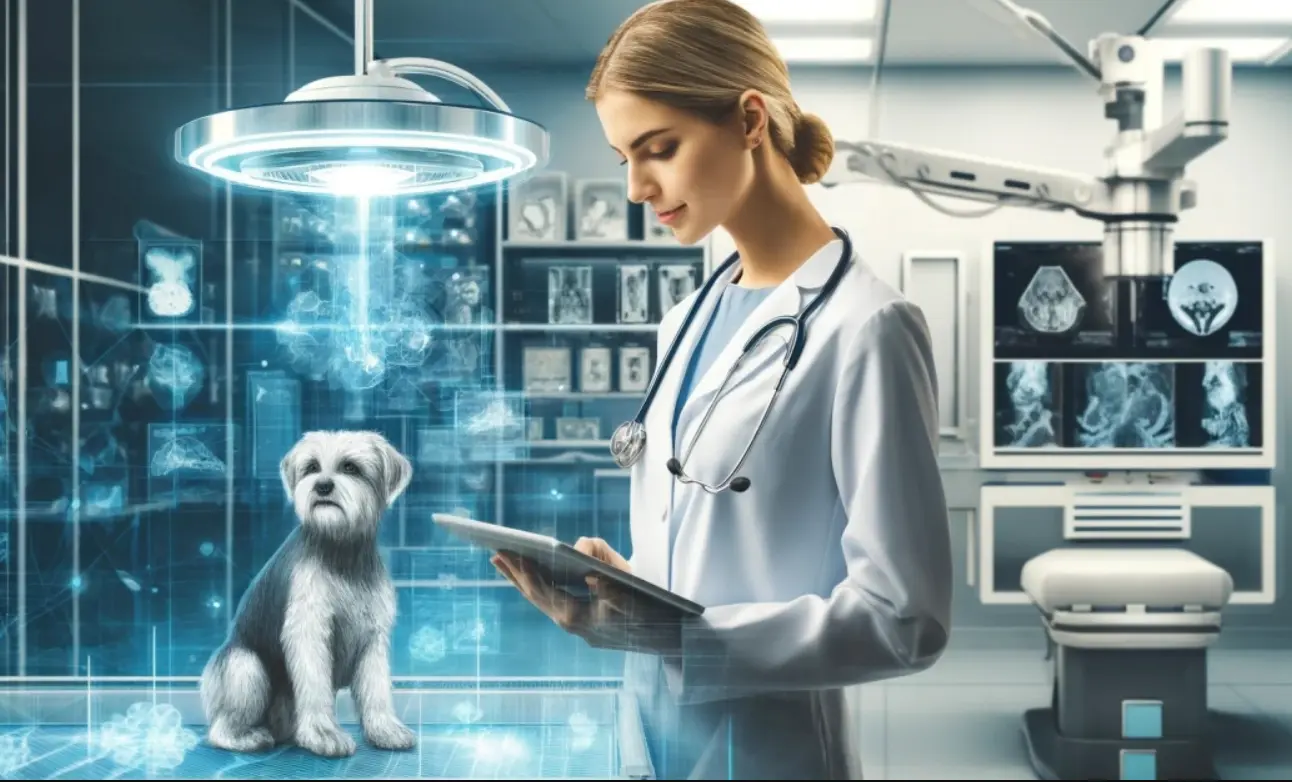
Veterinary technology shapes almost every part of care you give and receive in a clinic. It affects how fast your pet gets help, how clear the answers are, and how well treatment works. In general practice, tools and training turn guesswork into clear steps. You see it in digital X-rays, lab tests in minutes, and safe anesthesia. You also see it in simple things like microchips and clear medical records. Each change protects your pet and protects you from fear and confusion. When you visit a veterinarian in East San Jose, you expect skill and you expect proof. Modern technology helps your care team spot problems early, track treatment, and adjust fast when something changes. It does not replace human judgment. Instead, it supports it. That support matters when your pet hurts, when money is tight, and when every decision feels heavy.
How Technology Changes Your Pet’s Visit
Your visit starts at the front desk. Technology already shapes what happens next.
- Staff pull up your pet’s full record in seconds.
- They see vaccines, test results, and past concerns right away.
- You get reminders for shots, checkups, and refills before problems grow.
This record is more than a chart. It is a timeline of your pet’s life. It shows weight trends, lab changes, and past injuries. It also helps your vet avoid drug mix ups and missed warnings.
The American Veterinary Medical Association explains that electronic records support safer care and better tracking of disease patterns in a community. You can read more at the AVMA resource on medical records here https://www.avma.org/.
Seeing Inside: Imaging And Scans
Imaging technology lets your vet see inside your pet without surgery. This shortens answers and lowers risk.
- Digital X-rays show bone breaks, joint changes, and swallowed objects.
- Ultrasound shows moving organs like the heart, liver, and bladder.
- Dental X-rays show tooth roots, jaw bone, and hidden decay.
Digital systems give clearer images and faster results. Your vet can zoom in, adjust contrast, and send images to a specialist if needed. That means you get a plan the same day in many cases.
Quick Lab Tests Right In The Clinic
In house lab machines turn a drop of blood or urine into hard numbers you can see.
- Blood counts show infection, anemia, or clotting problems.
- Chemistry panels show liver, kidney, and blood sugar changes.
- Urine tests show crystals, infection, or early kidney stress.
These tests matter before surgery, during sudden illness, and during routine checkups. The U.S. Food and Drug Administration explains that early lab screening in animals can help catch disease before signs at home appear. You can review FDA guidance on animal diagnostics here https://www.fda.gov/animal-veterinary.
Safety During Surgery And Anesthesia
Surgery used to rely on watching color, breathing, and feel alone. Today anesthesia monitors track key signs every moment.
- Heart rate and rhythm
- Breathing rate and oxygen level
- Blood pressure and body temperature
These numbers give early warning when something starts to slip. Staff can adjust gas, fluids, heat, or drugs right away. That quick action lowers risk and shortens recovery for your pet.
Microchips, Tags, And Everyday Protection
Some tools look simple yet carry deep weight for your family.
- Microchips link your pet to your name and contact details.
- Barcoded labels keep drugs and samples matched to the right pet.
- Automated reminders help you stay on time with flea, tick, and heartworm care.
These tools protect against loss, mix ups, and missed doses. They also support shelters and animal control when a lost pet turns up scared and alone.
Telehealth And Remote Support
Some clinics use phone or video tools to guide you when you cannot come in right away.
- Post surgery check ins
- Behavior and training questions
- Medication follow up and refills
Telehealth does not replace exams. It does help you know when to rush in, when to watch, and how to care for your pet at home with clear steps.
Also Read: Why Veterinary Hospitals Offer Peace Of Mind For Pet Owners
Comparing Traditional And Technology Supported Care
| Type of Care | Traditional Approach | Technology Supported Approach | Impact On Your Pet |
|---|---|---|---|
| Medical Records | Paper charts stored in one clinic | Electronic records with quick search and sharing | Fewer missed details and smoother referrals |
| Imaging | Film X-rays with slower processing | Digital X-rays and ultrasound with instant viewing | Faster answers and clearer treatment choices |
| Lab Tests | Send out labs with delayed results | In house machines with same day results | Quicker diagnosis and treatment changes |
| Anesthesia | Monitoring by sight and touch only | Electronic monitors for heart, lungs, and pressure | Higher safety during surgery |
| Follow Up | In person visits for most questions | Mix of in person and telehealth support | Earlier help and fewer stressful trips |
How You Can Use This Technology For Your Pet
You play a direct role in how well these tools work for your pet.
- Ask your clinic what tests and imaging they suggest for your pet’s age.
- Keep contact details current for your pet’s microchip and record.
- Request copies of key test results and keep them in one place at home.
Then ask for clear words. Ask what each test shows, what the numbers mean, and what choices you have. A strong clinic will welcome these questions. Technology gives data. Your questions turn that data into choices that match your values and your budget.
Technology As A Partner In Care
Veterinary technology does not remove worry. It does give you clearer ground to stand on when your pet needs help. You get faster answers, safer surgery, and better tracking over years.
When you understand these tools, you can use them with purpose. You can say yes when they add safety. You can pause when they do not change the plan. That balance gives your pet care that is both kind and smart, visit after visit.


About the Author