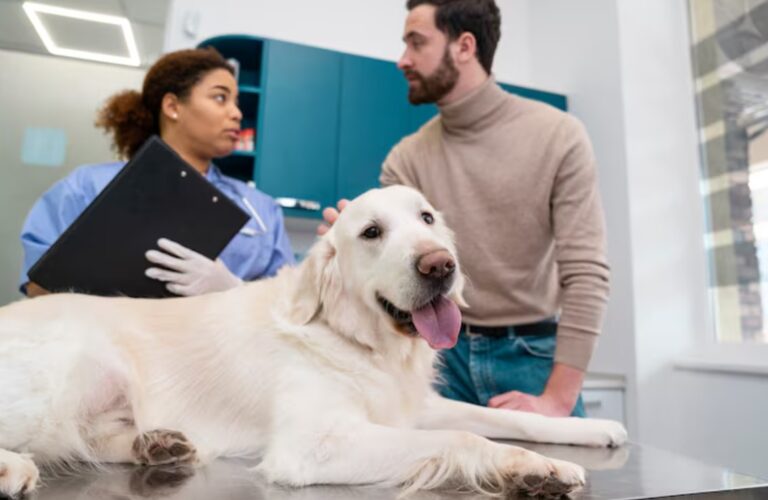
When your pet hurts, every minute feels heavy. Rapid access to X rays and lab work can shorten that fear and protect your pet’s health. Quick answers help you act fast. They help your veterinarian confirm what is wrong, start treatment, and avoid guesswork. Early testing can uncover hidden problems before they grow into emergencies. It can also rule out serious disease, so you are not left wondering what comes next. At our animal hospital in Gulf Breeze, fast imaging and lab testing support every step of care. You see clearer treatment plans. You see fewer delays. You gain more control during a hard moment. This blog explains why speed matters, how quick results support better outcomes, and what you can expect when your pet needs X rays or lab work.
Why fast testing matters for your pet
Your pet cannot explain pain. You watch for small signs. A limp. A change in eating. Sudden quiet. Fast X rays and lab work turn those hints into facts.
Quick testing helps you and your veterinarian:
- Find the cause of pain or sickness
- Start the right treatment sooner
- Avoid treatments that your pet does not need
The U.S. National Library of Medicine explains that early diagnosis improves outcomes for many conditions in people. The same truth applies to pets.
What X rays can show
X-rays use a small amount of energy to create images of the inside of the body. Your pet does not feel this. The test is quick.
X-rays can help your veterinarian:
- Check for broken bones or joint problems
- Look for swallowed objects
- See changes in the heart or lungs
- Find some tumors or growths
Fast access means your pet does not wait long in pain. It also means a rapid choice between home care, medication, or surgery.
What lab work can find
Lab work uses blood, urine, or stool to show how the body is working. These tests often reveal problems that you cannot see on the outside.
Common lab tests can:
- Measure kidney and liver function
- Check blood sugar
- Find infection or inflammation
- Screen for heartworm or tick disease
Fast lab results help your veterinarian adjust treatment in real time. That can protect organs, reduce pain, and shorten recovery.
Also Read: 3 Key Advantages Of Using A Full Service Veterinary Clinic
How fast testing changes outcomes
Time affects three key parts of your pet’s care.
| Stage of care | With rapid X-rays and lab work | With slow or delayed testing |
|---|---|---|
| Diagnosis | Cause found early. Fewer unanswered questions. | Cause unclear. More worry and repeat visits. |
| Treatment start | Targeted treatment the same day in many cases. | Waiting for results while the disease can progress. |
| Outcome | Higher chance of control. Lower risk of crisis. | Greater risk of emergency care or long hospital stays. |
Even a few hours can influence organ damage, internal bleeding, or severe infection. Fast testing gives your pet a stronger chance.
Common situations that need rapid testing
Some signs call for X-rays or lab work without delay. Call your veterinarian fast if you see:
- Hit by a car or fall from height
- Difficulty breathing or open mouth breathing in cats
- Repeated vomiting or diarrhea
- Bloated belly or hard abdomen
- Passing out or sudden weakness
- Straining to urinate or not passing urine
- Seizures
In these moments, rapid testing can show if your pet needs emergency surgery, fluids, oxygen, or other urgent care.
What you can expect during X-rays
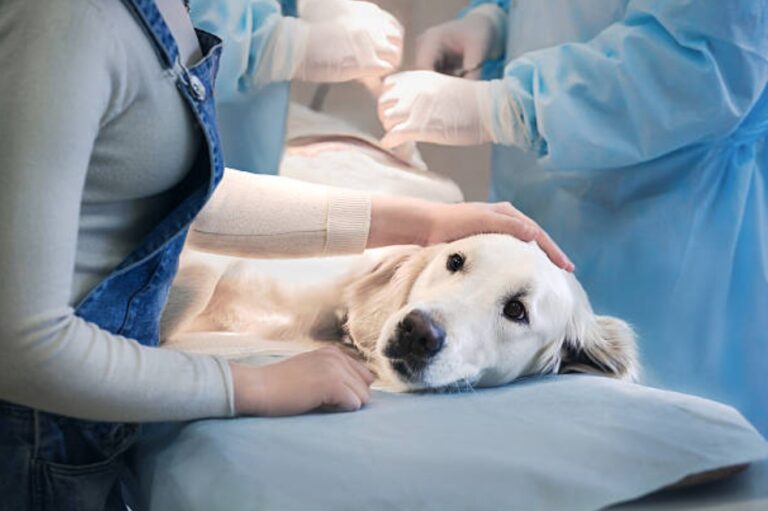
During X-rays, your pet lies on a padded table. Staff positions the body gently. Sometimes sedation is needed. That choice depends on pain level and ability to stay still.
You can expect:
- Short time in the imaging room
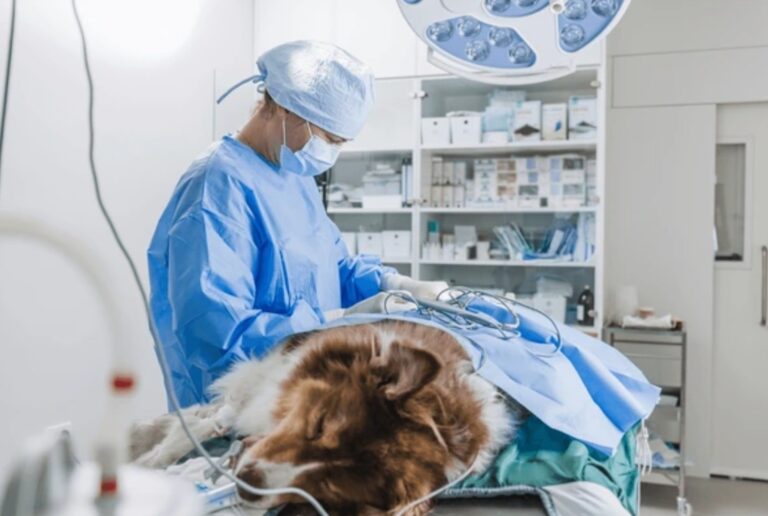
- Staff wearing protective gear for safety
- Images ready for review soon after the test
The test does not burn or sting. Your pet may feel stress from handling. Calm voices and soft support reduce that stress.
What you can expect during lab work
Lab work often starts with a blood draw or urine sample. A gentle hold keeps your pet safe. Many pets tolerate this with little struggle.
You can expect:
- A small needle for blood collection
- Possible shaving of a tiny fur patch
- Some results within minutes on modern machines
Basic blood tests for people often return results within hours when done on site. Veterinary clinics that use in house machines can match that speed for many tests. You can see how rapid tests work in human care through the Centers for Disease Control and Prevention page on laboratory testing.
Balancing speed, safety, and cost
Concern about cost is real. Rapid access to tests can still save money over time.
Fast X-rays and lab work can:
- Prevent repeated visits for the same problem
- Reduce time in intensive care by catching illness early
- Stop spending on treatments that do not fit the true cause
Ask for clear estimates. Also, ask which tests are urgent and which can wait. That shared plan protects your budget and your pet.
How you can support rapid care
You play a strong role in how quickly your pet receives testing.
You can:
- Call early when you notice changes
- Keep records of previous tests and medicines
- Share clear details about the timing of symptoms
These steps help your veterinarian choose the right tests fast and avoid repeats.
Key takeaways for your family
Rapid access to X-rays and lab work shortens fear and strengthens care. It turns guesswork into clear steps. It gives your pet a better chance at comfort and recovery.
When you act quickly and seek fast testing, you protect more than health. You protect the bond your family shares with your pet. That bond deserves every minute saved.


About the Author