Your pet depends on you for food, comfort, and safety. Nutrition sits at the center of that care. Many health problems start quietly with the food bowl. Extra weight strains joints. Poor-quality food weakens the immune system. Sudden changes in diet upset the stomach and create fear around eating. At the vet, nutrition counseling gives you clear steps. You learn what to feed, how much, and how often. You also learn what to avoid. This guidance is not about trendy diets. It is about steady health, fewer flare-ups, and less pain for your pet. At High River animal clinic, nutrition counseling supports medical treatment, not the other way around. Food plans can help manage kidney disease, diabetes, and allergies. They can also support growth in young pets and strength in older pets. With the right plan, each meal becomes part of your pet’s care.
Why your vet talks about food at every visit
Food shapes your pet’s body every single day. You see the coat, the energy, and the bathroom habits. Your vet sees bigger changes. Weight gain, muscle loss, and dental wear are all linked to daily meals.
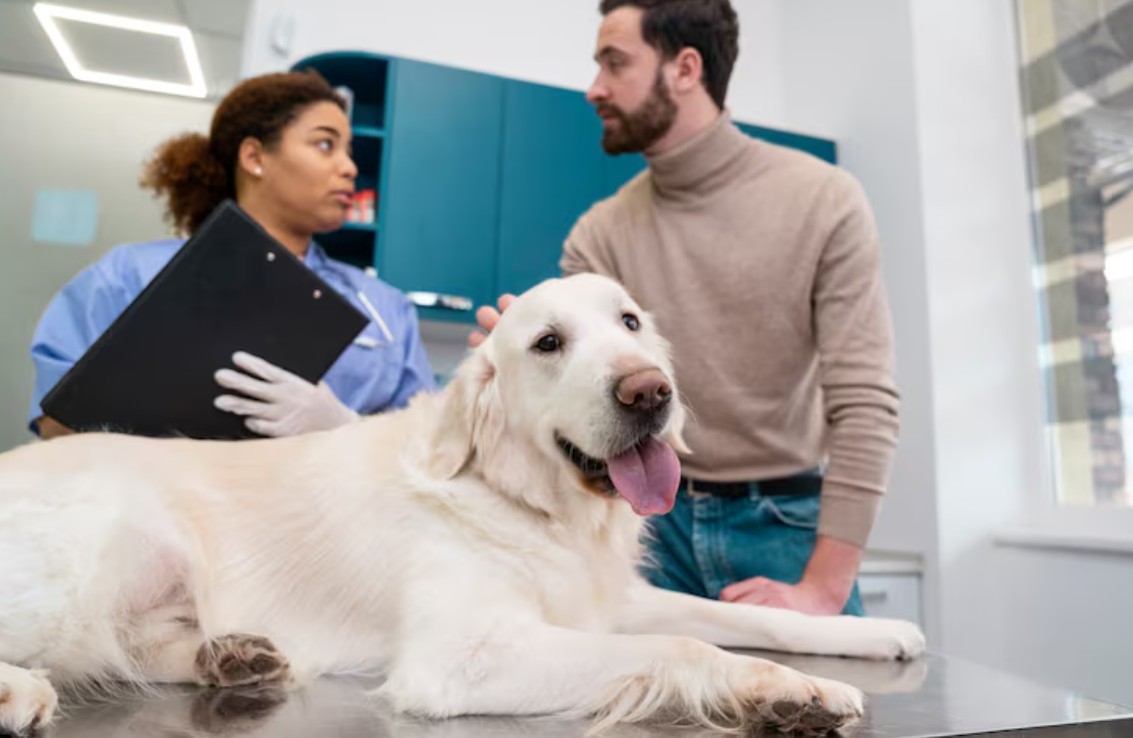
During nutrition counseling, your vet team will usually:
- Ask what brand, recipe, and treats you use
- Measure your pet’s weight and body shape
- Check teeth, skin, and coat for early warning signs
This short talk about food helps your vet catch disease early. It also helps you avoid guilt and guesswork at home.
How nutrition counseling protects long-term health
Small changes in the bowl protect your pet from large problems later. Vets use nutrition counseling to prevent three common threats.
- Obesity. Extra weight raises the risk of arthritis, breathing trouble, and some cancers. Simple portion changes and treat limits can slowly correct this.
- Dental disease. Some foods stick to teeth. Some chews and special diets support cleaner teeth and better breath.
- Organ strain. Food that is too rich in some nutrients can stress the kidneys, liver, or heart over time.
The American Veterinary Medical Association explains that nutrition is one of the five basic needs for every pet. You can read more at the AVMA nutrition page at https://www.avma.org/.
Matching food to life stage and health needs
Your pet’s needs change over time. One bag of food rarely fits every stage. Nutrition counseling helps you match the diet to three key things.
- Life stage
- Health status
- Daily activity level
Here is a simple comparison to show how needs shift.
| Pet type | Life stage | Main nutrition goals | Common vet advice |
|---|---|---|---|
| Dog | Puppy | Support growth and strong bones | Use puppy formula. Feed measured meals three or four times per day. |
| Dog | Adult | Maintain lean weight and muscle | Use adult formula. Limit treats. Adjust for exercise level. |
| Dog | Senior | Protect joints and organs | Use a senior or joint support diet if needed. Watch kidney values. |
| Cat | Kitten | Support rapid growth | Use kitten formula. Offer more frequent small meals. |
| Cat | Adult | Prevent obesity and urinary issues | Control portions. Use diets that support urinary tract health. |
| Cat | Senior | Maintain weight and kidney function | Use diets that support kidney health as advised by the vet. |
The World Small Animal Veterinary Association offers basic nutrition guidance and a pet food tool at https://wsava.org/. This resource supports the counseling you receive at the clinic.
Using food as part of treatment
Food can act like a daily treatment plan. You still need medicine and other care. Yet food can support these steps and reduce flare-ups.
Your vet may suggest special diets when your pet has:
- Kidney disease
- Heart disease
- Diabetes
- Food allergies
- Chronic stomach upset
In these cases, the vet team will often:
- Choose a diet with controlled protein, fat, or minerals
- Set a clear feeding schedule
- Limit unplanned treats and table scraps
This structure gives your pet’s body a calmer routine. It also gives you a clear plan to follow on hard days.
Weight checks and body condition scoring
Nutrition counseling does not stop at a single visit. You need regular checkpoints. Vets use weight and body condition scoring to see how the plan works.
During follow-up visits, the team will:
- Weigh your pet and record changes
- Feel the ribs and waist to judge fat and muscle
- Ask how the new plan fits your home routine
If the changes are too slow or too fast, the vet will adjust the food amount or recipe. This simple feedback loop keeps your pet on track without harsh cuts or sudden shifts.
Also Read: The Importance Of Rapid Access To X Rays And Lab Work
What you can do between visits
You play the central role in your pet’s nutrition. Your daily choices can support or undo the clinic plan. Three habits help most families stay on track.
- Measure every meal. Use a true measuring cup. Avoid free feeding from a full bowl.
- Limit treats. Keep treats to less than ten percent of daily calories. Use part of the regular food as rewards when possible.
- Watch for quiet changes. Notice shifts in thirst, stool, coat, or energy. Share these with the vet at the next visit.
You can also keep a simple food diary for one week. Write down every meal, treat, and table scrap. Bring this record to the vet. It turns guesswork into clear data.
When to ask for nutrition counseling
You do not need to wait for a crisis. Ask for nutrition counseling when you:
- Bring home a new puppy, kitten, or rescue pet
- Notice weight gain or weight loss
- See skin, ear, or stomach problems that come and go
You can also request a separate nutrition visit if you feel lost in the pet food aisle. A short talk with the vet team can save you time, money, and worry. It can also spare your pet from silent strain.
With clear nutrition counseling and your steady care at home, each meal becomes a simple way to protect your pet’s health at every stage of life.


About the Author