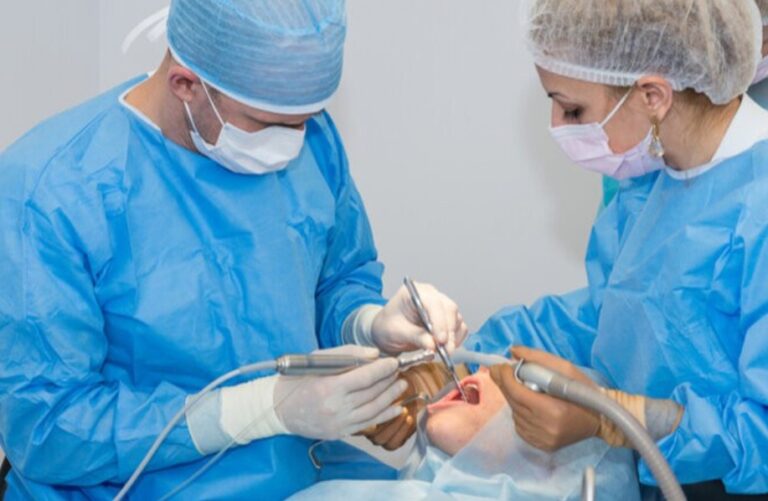
You might be feeling a little confused about how something as ordinary as brushing, flossing, and seeing a general dentist or visiting Kamloops children’s dentistry could have anything to do with your heart, your blood sugar, or your energy level. Maybe you have been told you have early gum disease, or you keep putting off cleanings because life is busy, and now you are wondering if that really matters for your overall health.end
It can feel overwhelming. You already have enough on your plate, and adding “perfect oral care” to the list sounds exhausting. At the same time, you might have this quiet worry in the back of your mind. If your mouth is not healthy, what else could be going on that you cannot see yet.
Here is the short version. Preventive dentistry is not just about avoiding cavities. It is about reducing silent inflammation, infection, and pain that can ripple through your whole body. When you keep your mouth healthy, you give your heart, your immune system, and even your mental health a better chance to stay steady.
So where does that leave you. It means small, consistent steps with your teeth and gums can pay off in ways that reach far beyond your smile.
How does your mouth connect to the rest of your body?
Think about your mouth as the front door to your body. Everything you eat and drink passes through it. The bacteria in your mouth can enter your blood. The health of your gums can reflect how your immune system is doing. When that front door is inflamed or infected, your body does not just ignore it.
The Centers for Disease Control and Prevention explains that oral health is a “key indicator of overall health, well being, and quality of life.” You can read more about that connection in their overview of oral health and general health. In other words, what happens in your mouth does not stay in your mouth.
Here is where the problem often starts. Mild bleeding when you brush. Sore or puffy gums. A bit of bad breath that mouthwash will not fully cover. It is easy to shrug these off. There is no emergency, so you push your next dental visit a few months, then a year, then longer.
During that time, plaque hardens into tartar, bacteria irritate your gums, and your body tries to fight back with inflammation. That ongoing battle may be quiet, but it is still stress on your system.
What happens when preventive care is ignored?
Imagine two different paths.
On the first path, someone skips regular cleanings and checkups. They brush quickly when they remember, floss rarely, and figure they will deal with dental care “when something hurts.” After a few years, they start to notice gum sensitivity. Eventually a tooth aches. By the time they see a general dentist, they may need deep cleanings, fillings, or even root canals. The bill is higher. The stress is higher. The time in the chair is longer.
On the second path, someone treats preventive dental care like routine maintenance. They keep up with cleanings, get small issues fixed early, and follow simple home care advice. They still may get a cavity now and then, but problems are caught while they are small. Their visits are more comfortable. Their costs are spread out and lower. They have fewer surprises.
Now add the body wide impact. Chronic gum disease has been linked in research to a higher risk of heart disease, complications with diabetes, and problems in pregnancy. The National Institute of Dental and Craniofacial Research describes this mouth body connection in its discussion of a healthy mouth and healthy body. When you lower inflammation in your gums, you are not just protecting teeth. You are easing a burden on your heart and immune system too.
Because of this, what might look like a “small” dental issue can become a bigger health concern over time. That is why preventive dental care for total body wellness matters so much. It is easier to keep your health on track than to repair it after years of neglect.
What specific challenges get in the way of preventive dentistry?
Knowing this is one thing. Acting on it is another. There are real obstacles, and it helps to name them.
There is emotional stress. Many people carry fear or shame about the dentist. Maybe you had a painful visit in the past. Maybe you feel embarrassed about how your teeth look now. Those feelings are very common, and they can keep you away from the care that would actually make things easier.
There is financial pressure. Cleanings, x rays, and exams cost money, and if you are watching every dollar, it may feel logical to postpone them. The problem is that small untreated issues can turn into much more expensive problems. Skipping a simple cleaning can set you up for a crown or extraction later.
There is also the problem of time and energy. You might be caring for kids or aging parents, working long hours, or managing your own health issues. Booking an appointment can feel like one more task that you do not have space for right now.
So how do you move from knowing that oral health and body health are linked to actually doing something different in your daily life.
Also Read: 5 Signs It’s Time To Talk To Your Family Dentist About A Smile Makeover
Preventive dentistry vs “wait until it hurts” care
It can help to see the trade offs clearly. Here is a simple comparison of approaching your mouth with prevention in mind versus waiting until pain forces a visit.
| Approach | What it looks like | Short term impact | Long term impact on body |
|---|---|---|---|
| Preventive dentistry | Regular cleanings, exams, daily brushing and flossing, early treatment of small issues | Low to moderate cost spread out over time, brief visits, minimal discomfort | Lower infection and inflammation, reduced risk of tooth loss, better support for heart and metabolic health |
| “Wait until it hurts” care | Infrequent visits, treatment only when there is pain or visible damage | Fewer visits at first, but higher stress and cost once problems appear | Higher chance of advanced gum disease, more missing teeth, ongoing inflammation that can stress the heart and immune system |
| DIY only, no professional care | Brushing without flossing, relying on mouthwash, no exams or cleanings | Feels cheaper and easier now, but problems remain hidden | Greater risk of silent decay and gum disease, more difficult and expensive treatment when issues finally surface |
The CDC offers simple, research based oral health tips for adults. These basic habits are the foundation that helps your general dentist protect both your mouth and the rest of your body.
Three steps you can take right now to protect your whole body through your mouth
1. Reset your daily routine with two small changes
You do not need a complicated plan. Start with two commitments. Brush twice a day with fluoride toothpaste for at least two minutes, and floss once a day. If you already do this, slow down and pay attention to your gum line and the backs of your teeth. These are the areas disease often begins.
Attach these habits to something you already do. Brush after breakfast and before bed, and put floss next to your toothbrush where you cannot ignore it. Consistency matters more than perfection.
2. Schedule a preventive visit, even if you are nervous
If it has been more than six months since you saw a general dentist, choose a date and make an appointment. When you book, be honest about how you feel. Say if you are anxious, embarrassed, or worried about cost. A good dental team will work with you, not judge you.
Ask for a full exam and cleaning, and ask them to explain what they see in plain language. This visit is not only about cleaning your teeth. It is a chance to check for early signs of gum disease, oral cancer, and other issues that may affect your overall health.
3. Think of your dentist as part of your wellness team
Many people see doctors for blood pressure, cholesterol, or diabetes and think of dental care as separate. Try to reframe that. A general dentistry visit is another form of preventive health care. Share your medical history with your dentist. If you have heart disease, diabetes, or are pregnant, speak up. Your mouth care can be tailored to support those conditions.
If cost is a concern, ask about payment options, membership plans, or spacing out treatment in a way that fits your budget. The goal is steady progress, not perfection in one visit.
Bringing it all together
You do not need to overhaul your life to benefit from preventive dentistry for overall wellness. You only need a few steady habits and the willingness to show up before things hurt. When you care for your mouth, you are quietly caring for your heart, your immune system, and your future self.
If you are feeling behind, you are not alone. Many people are starting from the same place. The important thing is that you start. Your body will thank you, even if it cannot say it out loud.


About the Author