Being diagnosed with esophageal cancer can be overwhelming. Along with the emotional impact, patients and their families often face many questions about treatment, recovery, and long-term outcomes. Understanding the treatment process before it begins can help you make informed decisions and feel more confident about your care journey.
Esophageal cancer affects the tube that carries food from the mouth to the stomach. Early diagnosis and proper treatment planning play a crucial role in improving outcomes. Whether your treatment involves surgery, chemotherapy, radiation therapy, targeted therapy, or a combination of these approaches, knowing what to expect can make a significant difference.
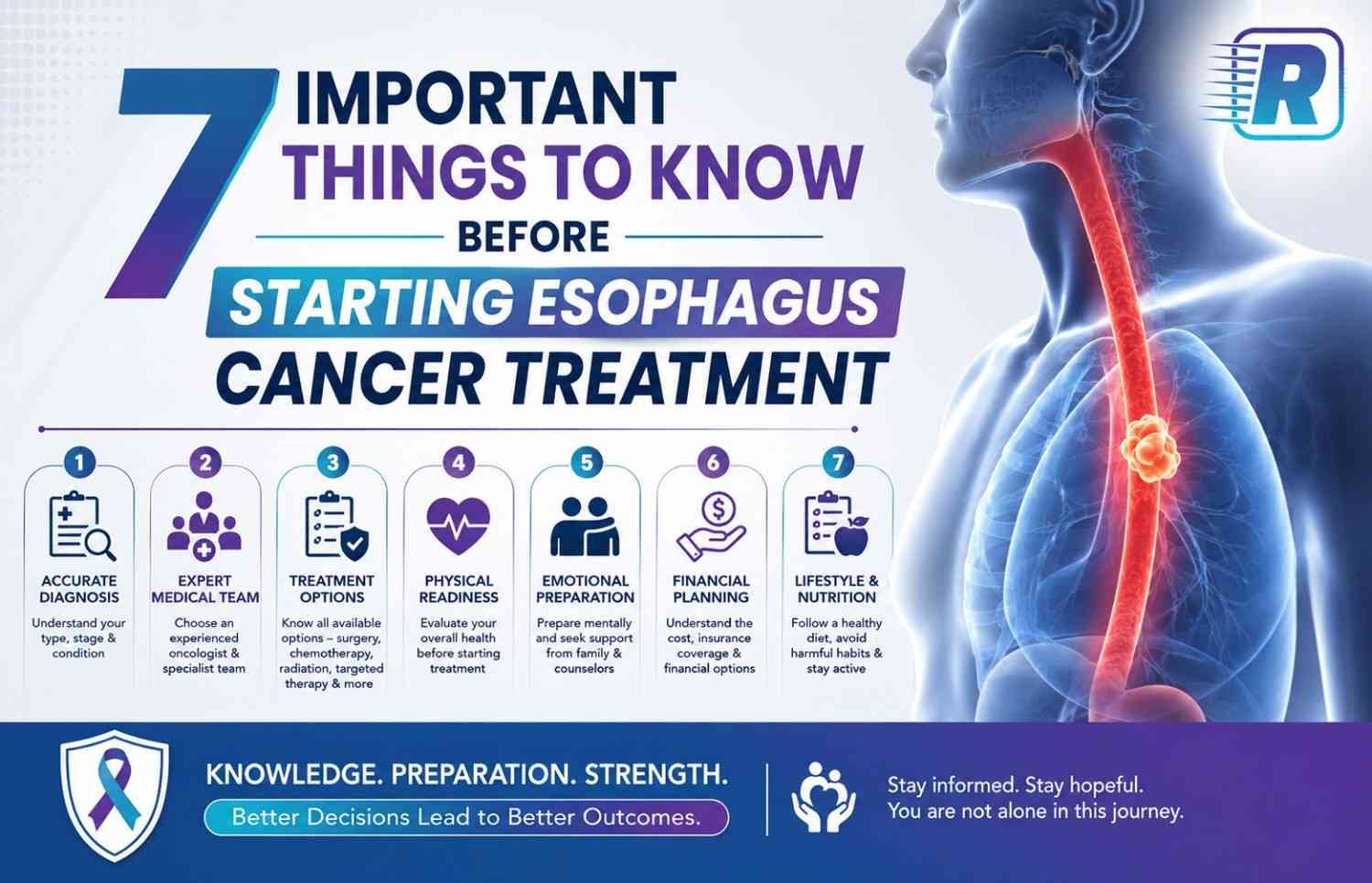
Here are seven important things every patient should know before starting esophagus cancer treatment.
1. Understanding the Stage of Your Cancer Is Essential
Before treatment begins, your doctor will determine the stage of the cancer. Staging helps identify how far the cancer has spread and guides the most effective treatment plan.
The common stages include:
- Stage 0 (very early cancer)
- Stage I
- Stage II
- Stage III
- Stage IV (advanced cancer)
Doctors may use tests such as:
- Endoscopy
- CT scan
- PET scan
- Endoscopic ultrasound (EUS)
- Biopsy
The treatment recommended for early-stage cancer may be very different from the treatment required for advanced-stage disease. Discuss your staging results thoroughly with your specialist so you understand the reason behind the proposed treatment plan.
2. Treatment Often Involves a Multidisciplinary Team
Esophageal cancer treatment is rarely managed by a single doctor. Most patients benefit from a multidisciplinary team approach that includes:
- Surgical oncologists
- Medical oncologists
- Radiation oncologists
- Gastroenterologists
- Nutritionists
- Pain management specialists
Working with an experienced esophagus cancer surgeon in Lucknow can help ensure that all treatment options are carefully evaluated. A coordinated team approach improves treatment planning and enhances patient outcomes.
This collaborative care model allows experts from different specialties to create a personalized treatment strategy tailored to your condition.
3. Surgery May Be a Key Part of Treatment
For many patients with localized esophageal cancer, surgery remains one of the most effective treatment options.
The most common surgical procedure is:
Esophagectomy
During this procedure, the surgeon removes part or all of the esophagus and reconstructs the digestive tract using a portion of the stomach.
Modern advancements now allow surgeons to perform minimally invasive and robotic-assisted procedures, which may offer:
- Smaller incisions
- Less blood loss
- Reduced pain
- Faster recovery
- Shorter hospital stay
Not every patient requires surgery, but if surgery is recommended, understanding the procedure, potential risks, and recovery timeline is important before treatment begins.
4. Nutrition Plays a Critical Role During Treatment
Many patients with esophageal cancer experience difficulty swallowing even before treatment starts. This can lead to:
- Weight loss
- Malnutrition
- Fatigue
- Reduced immunity
Maintaining proper nutrition is one of the most important factors for successful treatment and recovery.
Your doctor may recommend:
- High-protein foods
- Soft food diets
- Nutritional supplements
- Feeding tube support in some cases
Meeting with a nutrition specialist before treatment begins can help you prepare for dietary changes and maintain strength throughout therapy.
Good nutrition not only improves treatment tolerance but also supports healing after surgery.
5. Chemotherapy and Radiation May Be Used Before Surgery
Many patients are surprised to learn that surgery is not always the first step.
In many cases, doctors recommend:
Neoadjuvant Therapy
This refers to chemotherapy and radiation therapy given before surgery.
The goals include:
- Shrinking the tumor
- Destroying microscopic cancer cells
- Improving surgical outcomes
- Reducing recurrence risk
Several studies have shown that combining chemotherapy and radiation before surgery can improve long-term survival in selected patients.
Your oncology team will explain whether preoperative treatment is appropriate based on your cancer stage and overall health.
6. Recovery Requires Patience and Long-Term Follow-Up
Cancer treatment does not end after surgery or chemotherapy. Recovery is a gradual process that requires ongoing monitoring.
Patients may experience:
- Swallowing changes
- Fatigue
- Digestive adjustments
- Appetite fluctuations
- Emotional stress
Regular follow-up appointments are essential for:
- Monitoring recovery
- Detecting recurrence early
- Managing treatment-related side effects
- Evaluating nutritional status
Your healthcare team will create a personalized follow-up schedule based on your condition and treatment response.
It is important to communicate any new symptoms promptly rather than waiting for the next appointment.
7. Choosing an Experienced Cancer Specialist Matters
One of the most important decisions you can make is selecting the right treatment center and specialist.
Esophageal cancer treatment is complex and often requires advanced surgical expertise. An experienced esophagus cancer surgeon in Lucknow can provide access to modern diagnostic tools, minimally invasive surgical techniques, and comprehensive cancer care.
When selecting your doctor, consider:
- Surgical experience
- Hospital infrastructure
- Availability of robotic surgery
- Multidisciplinary care team
- Patient outcomes
- Follow-up support services
Patients often seek specialists who have extensive experience in treating complex gastrointestinal cancers.
Similarly, individuals looking for specialized care in gynecologic oncology often consult an experienced ovarian cancer surgeon in Lucknow for advanced ovarian cancer treatment and surgical management.
Choosing a qualified cancer specialist can significantly impact treatment quality and long-term outcomes.
Additional Questions to Ask Your Doctor Before Treatment
Before beginning treatment, consider asking:
- What stage is my cancer?
- What treatment options are available?
- Will I need surgery?
- What side effects should I expect?
- How long will treatment last?
- What lifestyle changes should I make?
- What are the chances of successful treatment?
- How often will I need follow-up visits?
Having clear answers can help reduce anxiety and improve your confidence throughout the treatment journey.
Conclusion
Starting esophagus cancer treatment is a major step, and understanding the process beforehand can help you feel more prepared and empowered. Knowing your cancer stage, understanding treatment options, maintaining proper nutrition, and selecting an experienced specialist are all critical factors that contribute to better outcomes.
Advances in cancer care, including minimally invasive surgery, targeted therapies, and multidisciplinary treatment approaches, continue to improve survival rates and quality of life for patients with esophageal cancer.
If you or a loved one has been diagnosed with esophageal cancer, consult an experienced esophagus cancer surgeon in Lucknow to discuss personalized treatment options. Early intervention, expert care, and informed decision-making remain the foundation of successful cancer treatment.


About the Author