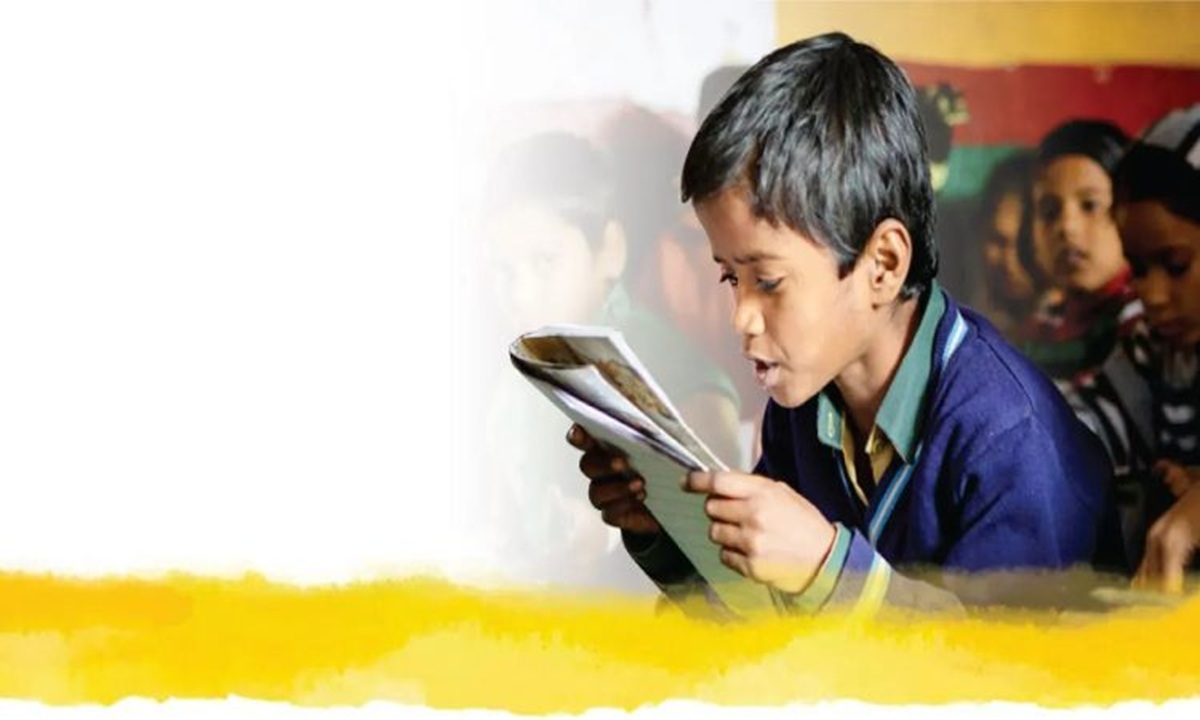
When choosing an NGO in the USA to support child education, you want to feel confident that your contribution will actually assist the educational development of young learners. To choose the right NGO, determine how they work. Doing so will help ensure your donation will have an impact on child education. Below are five questions to ask when selecting an NGO based in the USA for child education support:
1. What Is the Organization’s Mission and Focus?
You should first ask about the mission of the NGO and how it supports children’s education. Are they focused solely on distributing materials (books)? Or are they working to keep children in school and ensure they receive quality education? An effective NGO will clearly communicate that children’s education, development and welfare are at the heart of their organizational work. Knowing its mission helps you align your values with its actions.
2. How Does the Organization Select and Support Its Projects?
It matters how an NGO chooses the schools, communities and children it supports. Ask how it picks its partner programs, how funds are allocated and how progress is tracked. A reliable NGO in the USA will partner with grassroots organizations where children face deep barriers to learning and will report how it measures success. When you ask this question you are helping ensure your support goes where it’s needed most.
3. How Transparent Are Funding and Accountability Practices?
You’ll want to know how the NGO reports spending and outcomes. Can you access annual reports, impact statistics and evidence of children benefitting? A conscientious NGO in the USA will provide clear, accessible information about its finances, how donations are used and what children gain. When you receive this transparency, you can support their work confidently.
4. What Is the Impact on Children and Communities?
Ask what real change the NGO has seen. Are children staying in school longer? Are they achieving key milestones? Are entire communities more supportive of education? A reliable NGO in the USA does not simply reference programs, it demonstrates outcomes: better attendance, improved learning and stronger local systems. Asking for this type of data will help you know that your financial support is helping both individuals and communities over time.
Also Read: Home Care with Heart: A Return to Genuine, Personalized Support
5. How Can You Get Involved and Stay Informed?
Your relationship with the organization matters too. Ask how you can stay updated about the children or projects you support. Can you receive newsletters, visit project sites (virtually or in‑person where possible) or RSVP to events? A responsive NGO in the USA invites you into its journey. Staying involved not only deepens your impact but helps you feel connected to the children and communities served.
When you find an organization that answers these questions with clarity, you’ve found a partner you can trust. One example you might explore is CRY America, which works with donors and volunteers in the USA to support child education and rights in India.
Donating to a reputable NGO is more than just sending a check; it’s supporting children’s futures, becoming a part of a community that cares about the same issues that you do and holding yourself and the organization accountable. If you donate to an NGO, young learners will have the chance to grow, succeed and bring positive changes for themselves and their communities.


About the Author