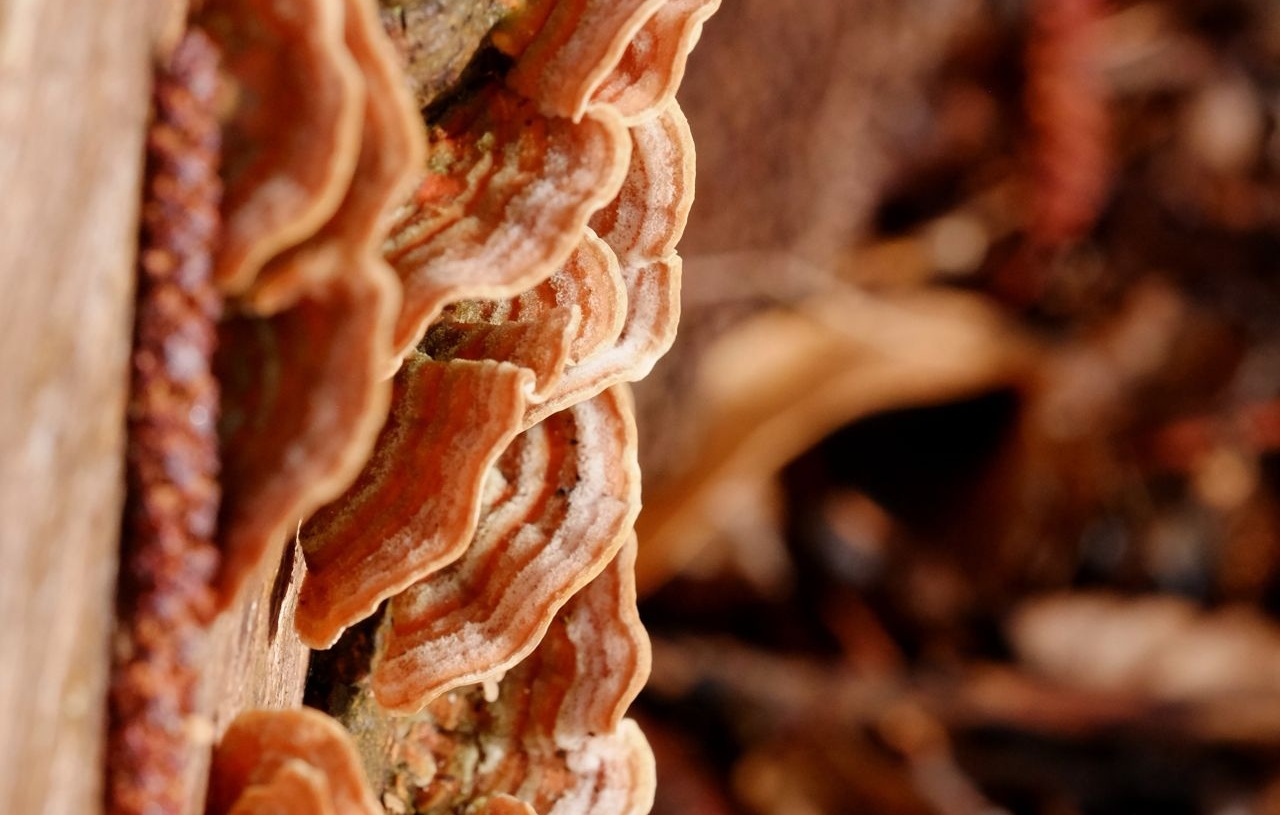
Professional biological growth removal is a cleanup process that safely removes mold or fungal contamination. It uses air filtration and antimicrobial treatments to eliminate growth and prevent it from spreading. Technicians also check for damage using moisture meters and repair any underlying issues, such as leaks, to stop them from coming back. Here is how to identify biological growth and when to use professional mold removal services:
Dark Wall Stains
Dark stains on walls and ceilings indicate an indoor biological growth problem. These growths thrive in humid environments; discoloration indicates water leaks behind dry walls or pooling above ceiling panels. If you notice expanding dark patches, look for professional mold removal services. Some visible stains can be fungal growth colonies that feed on moisture in walls and continue to spread as long as damp conditions remain. Professionals use containment barriers to seal off the affected area during cleanup, helping prevent spores and dust from spreading to other parts of the home.
Musty Odors
Biological growths produce microbial volatile organic compounds as they break down organic building materials. These compounds create a strong, musty odor that lingers in enclosed spaces, like behind cabinets or in basements. Professional removal services are needed when these odors intensify or spread through ventilation systems. Persistent growth also releases airborne spores that degrade indoor air quality.
Technicians locate hidden moisture inside walls using moisture meters and thermal imaging, then isolate the affected area. Disturbing concealed colonies without proper containment spreads contaminated particles throughout the space. Certified contractors address severe odor issues through targeted cleaning and deodorization. During remediation, teams assess the property for additional growth and help capture airborne spores.
Peeling Wall Paint
Peeling paint on walls often signals moisture trapped behind the surface, which supports fungal growth. When water weakens the bond between paint and drywall, the coating may bubble, crack, or separate over time. In damp areas, this damage usually points to ongoing water intrusion into the structure. Large or spreading patches of peeling paint or drywall that feels soft to the touch indicate more serious moisture damage that requires remediation. Restoration professionals address both the visible damage and the source of the water, using water damage restoration methods to stabilize the structure and prevent further deterioration.
Warped Wood Flooring
Hardwood and laminate materials absorb water from leaks or high humidity, causing the boards to swell and buckle as they expand. When warping spreads across a large area or a musty odor rises through floor cracks, professional evaluation is required. Technicians assess hidden fungal risks and perform detailed leak damage inspections. They also address contamination linked to flooding and work to reduce excessive indoor humidity. After locating the source of moisture intrusion, they carry out cleanup steps to treat affected flooring layers and stabilize the structure. To identify hidden damage during floor inspections, professionals look for these signs:
- Rusted floor fasteners
- Corroded baseboard nails
- Stained subfloor joists
- Loosened adhesive backing
High Indoor Humidity
Moisture condenses on cool surfaces, and repeated condensation creates conditions that support fungal spore growth. Consistent water droplets on window glass usually indicate elevated indoor humidity. Ongoing damp conditions allow dormant spores to activate and spread across organic materials. Professional removal services are needed when sustained high humidity leads to widespread condensation throughout the home. Technicians use thermal imaging to locate moisture patterns and deploy dehumidification systems to reduce indoor humidity levels.
Also Read: The Eco-Friendly Side of Marine Plywood
Learn More About Mold Removal
Quick action to remove mold growth in your home supports cleaner, healthier indoor environments. Professionals carefully evaluate your space and make sure to remove the mold growth at the source, rather than providing a temporary repair. Contact a reputable mold remediation company to explore their services.


About the Author