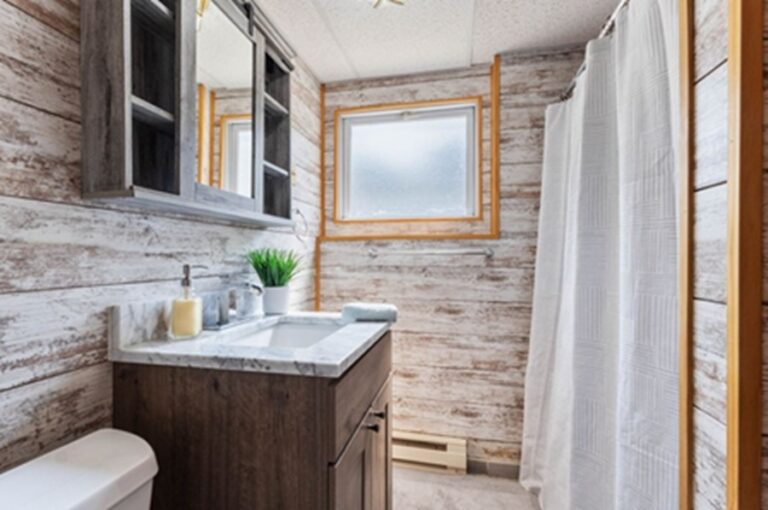
Image source: https://www.istockphoto.com/photo/interior-of-country-mountain-lodge-house-gm2264731605-677441898
Finding an apartment is not only about choosing the right location, layout, or monthly rent. The real cost of renting can include utilities, parking, insurance, moving expenses, and other charges that are easy to overlook.
Before signing anything, it helps to calculate the full monthly cost and read the lease carefully. A little checking beforehand can prevent an affordable-looking apartment from becoming difficult to manage later.
Calculate the Real Monthly Cost Before Comparing Apartments
The advertised rent gives you a starting point, but it does not always show what you will actually spend each month. Comparing apartments based only on rent can therefore give you the wrong picture.
Check What the Rent Includes
Ask the landlord or property manager exactly which services are included. Depending on the property, you may need to pay separately for:
- Electricity
- Heating
- Internet
- Parking
- Laundry
- Tenant insurance
- Storage
For example, an apartment renting for $1,500 with heating included could potentially cost less overall than a $1,450 unit where heating and other services are separate.
When comparing Montreal apartments for rent, pay particular attention to heating and electricity arrangements. Montreal winters can make heating an important part of a household budget when it is not included in the rent.
Build a Simple Housing Budget
Instead of asking, “Can I afford the rent?” calculate the complete monthly housing expense.
Add the rent, estimated utilities, internet, insurance, parking, transportation differences, and any regular building-related costs. Keeping some room in your budget for changing utility bills can also prevent a tight month from turning into a financial problem.
Read the Lease as a Financial Document
A lease sets out more than your monthly payment. It explains responsibilities, payment conditions, included services, the rental period, and other terms that can affect your finances.
Read every section before signing, even when the apartment appears to be a good fit.
Confirm the Rent and Payment Terms
Check that the written rent matches the amount you were quoted. You should also confirm the payment date, accepted payment method, and the exact date the lease begins and ends.
In Quebec, a landlord generally cannot require more than one month’s rent or demand an additional security or key deposit. A landlord also cannot require postdated cheques as a condition of signing, although both parties can voluntarily agree to that payment method.
Rules vary between provinces, states, and countries, so renters outside Quebec should check the regulations that apply where they live.
Check Every Included Service in Writing
Verbal promises are difficult to rely on later. If parking, appliances, heating, storage, furniture, or another service is included, confirm that the lease reflects the arrangement.
This becomes especially important when comparing apartments for rent that have similar monthly prices. One property may include services that would cost extra at another, changing which option is actually cheaper.
Understand Renewal and Rent Changes
Lease renewal rules can affect how predictable your housing costs remain after the first rental period. Knowing how renewal works also helps you respond correctly if the landlord proposes changes.
Know the Local Notice Rules
In Quebec, residential leases generally renew automatically unless proper notice is given. For leases of 12 months or longer, a landlord proposing a rent increase or another lease modification generally has to provide notice three to six months before the lease ends.
A tenant who receives a proposed modification generally has one month to respond if they want to refuse the change. Failing to reply within that period can result in renewal under the proposed conditions.
These deadlines make it important to read any formal notice promptly rather than leaving it unopened until later.
Inspect the Apartment With Future Costs in Mind
The condition of an apartment can influence expenses after move-in. A careful inspection may reveal practical issues that photographs and listings do not show.
Look Beyond Cosmetic Details
Check windows, faucets, appliances, heating systems, doors, and visible signs of moisture. Ask who is responsible for maintenance and how repair requests are handled.
Before moving in, document the apartment’s condition with dated photographs where appropriate. Keeping a written record can help establish what was already damaged or worn when your tenancy began.
Also consider the building and neighbourhood. Paying slightly more for a property closer to work, school, or public transport could reduce transportation expenses enough to improve your total monthly budget.
Also Read: Best Pest Control Solutions for Apartments and Condos
Conclusion
Apartment hunting becomes easier when you compare total costs rather than rent alone. Utilities, parking, insurance, transportation, lease conditions, and renewal rules can all change what a rental really costs.
Read the lease carefully, confirm important arrangements in writing, understand local rental rules, and calculate your full housing budget before committing. Those checks can help you choose an apartment that works financially both on move-in day and throughout the lease.


About the Author