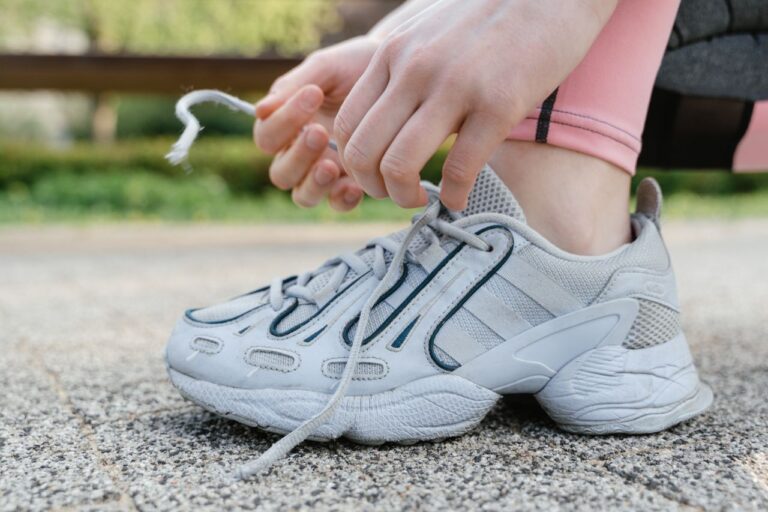
Stand in front of a shoe rack, and the choice looks confusing. One pair feels feather-light in the hand. The next feels soft and thick underfoot. Both say running on the box.
They are built for different runs, and picking the wrong one makes every session harder than it needs to be. This guide gives you a simple way to decide about lightweight running shoes vs cushioned running shoes, based on how you actually run.
What Is the Real Difference Between Them?
The difference comes down to how much foam sits between your foot and the ground, and what that foam is tuned to do. One prioritises speed, the other protection.
What Lightweight Shoes Do
A lightweight shoe strips away material so your foot feels quick and free. Less weight per stride means less effort over a fast session, and a thinner sole gives you a closer feel for the ground. The trade-off is less foam to absorb impact.
What Cushioned Shoes Do
A cushioned shoe adds a thick, soft midsole that soaks up the shock of each landing. On hard surfaces and long distances, that padding keeps your legs fresher for longer. It weighs a little more, but the comfort shows up in the last few kilometres.
Where Modern Shoes Overlap
Foam technology has narrowed the gap. Many daily trainers now feel light on the foot and still carry plenty of cushioning, so you no longer have to give up one for the other. If you want a single pair, this middle ground is where to look. The older idea that more cushioning always means a heavy, sluggish shoe no longer holds, because modern foams deliver softness at a fraction of the weight they once needed. That is good news if you would rather not own two pairs.
Here is the difference at a glance:
| Feature | Lightweight | Cushioned |
| Weight | Less, quick underfoot | Slightly more |
| Cushioning | Thinner, firmer | Thicker, softer |
| Suits | Speed, short runs | Long runs, daily miles |
| Ground feel | Close and connected | Soft and protective |
| Hard roads | Firmer landings | Softer landings |
How Do You Decide Which One You Need?
Forget the marketing and start with your own running. Three questions settle it for most people: how far you run, where you run, and how your legs feel afterwards.
Start With Your Distance
Short and fast favours light. Long and steady favours cushioned. If most of your runs are under five kilometres and you like picking up the pace, a lighter pair suits you. If you are building distance or running an hour at a time, go cushioned.
Then Look at Your Surface
Indian roads are hard and unforgiving. Concrete and tarmac send a lot of force back up through your legs, so cushioning earns its place on the daily commute run. On a treadmill or a softer track, a lighter shoe feels fine for longer. Be honest about where the bulk of your kilometres actually happen, not where you would like them to happen, because the shoe should suit your real week rather than your ideal one.
Finally, Listen to Your Legs
Your body gives the clearest answer. If your knees and shins ache after road runs, you likely need more cushioning. If your legs feel fine but the shoe feels heavy and sluggish on quick sessions, go lighter. Some of the best running shoes sit between the two, which is why a balanced daily trainer suits so many runners.
Factor In Your Build
Body weight changes how a shoe behaves underfoot. A heavier runner compresses foam further on each landing, so a thin, light midsole bottoms out sooner and starts to feel firm. More cushioning usually feels steadier and more comfortable in that case, particularly on concrete. Lighter runners can go thinner without the same harshness, which is why two people can rate the same shoe very differently.
Which Pair Suits Your Running?
Match your usual week to the pair that handles it best. These simple rules cover most runners without overthinking it.
- Mostly short, fast runs: go lightweight for a quick, responsive feel.
- Mostly long, steady runs: go cushioned to keep your legs comfortable over distance.
- Mostly hard roads: go cushioned to soften repeated impact on concrete.
- New to running: start cushioned while your legs adjust, then add a lighter pair.
- Heavier runners: more cushioning usually feels steadier and more comfortable.
- Only buying one pair: a balanced daily trainer covers nearly everything.
If you run often enough to own two pairs, rotating them is worth it. A light pair for speed days and a cushioned pair for long days means each shoe does the job it was built for, and both last longer. A solid set of men’s running shoes designed for daily Indian roads makes a dependable base for that rotation.
One thing neither type can fix is a poor fit. A cushioned shoe that slips at the heel will still trouble your feet, and a light shoe that cramps the toes will still cause rubbing. Measure your foot, follow UK sizing, and leave about a thumb’s width at the front, since feet swell over a run. Get the fit right first, then the cushioning choice does its job properly.
Also Read: How to Buy the Right Sports Shoes for Your Child
Run in the Pair That Fits Your Week
There is no winner between lightweight and cushioned. There is only the pair that matches how you run. Go light for speed and short efforts, go cushioned for distance and hard roads, and let a balanced trainer handle the rest.
At Asian Footwears, comfort and value travel together. Our running shoes are built for Indian roads, Indian weather, and the kilometres you actually put in, so you get premium feel without premium pricing.
Ready to pick your pair? View the full range of running shoes at Asian Footwears. Asian Flash delivers in 60 minutes across supported pincodes, and every order ships with Free Delivery and Hassle-Free Returns. Buy Now and become an AsianRider.
FAQs
Are lightweight or cushioned running shoes better for beginners?
Cushioned shoes are the friendlier start. The extra foam softens impact while your legs adjust to regular running. Add a lighter pair later once you build up distance and pace.
Can one pair handle both speed and long runs?
Yes, to a point. Many modern daily trainers are light and well cushioned at once, so a balanced pair covers most running. Serious runners often prefer two pairs for the extremes.
Do cushioned shoes make you slower?
Not meaningfully for everyday running. The small weight difference matters mainly in races and fast sessions. For daily miles, the comfort usually outweighs the few extra grams.
Which is better for running on Indian roads?
Cushioned, in most cases. Concrete and tarmac send a lot of impact up through the legs, and a thicker midsole absorbs more of it, which keeps longer road runs comfortable.
How do I know if my shoes lack cushioning?
Aching knees, shins, or arches after road runs are common signs. If the sole feels flat and hard underfoot and your legs tire early, it is time for more cushioning or a fresh pair.
How often should I replace running shoes?
Replace them once the midsole feels flat and the outsole grip wears down, usually after several months of regular running. Worn foam changes how you land and how your legs feel.


About the Author