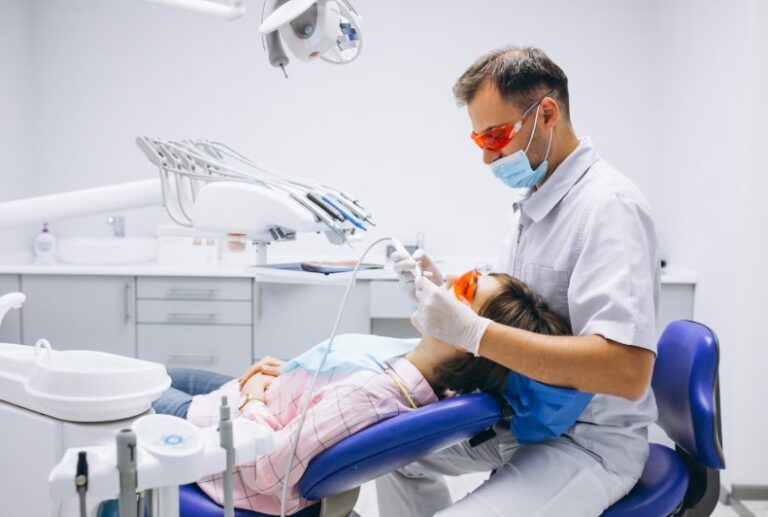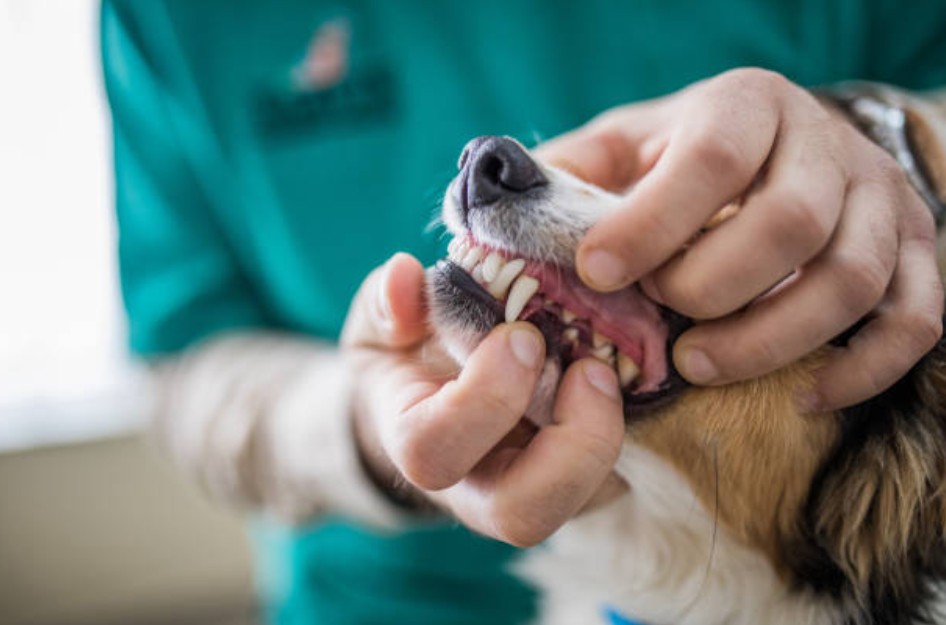
Your pet depends on you for everything, including a healthy mouth. You might notice bad breath or yellow teeth and think it is only a small problem. It is not. Poor dental care can lead to pain, infections, and organ damage. It can also shorten your pet’s life. Many pets hide mouth pain. They keep eating and playing while the infection grows. You can stop this. A strong pet health plan must include regular dental exams, cleanings, and home care. A Long Beach vet can spot early signs of trouble and treat them before they turn into surgery or tooth loss. You protect your own teeth with brushing and checkups. Your pet deserves the same steady care. When you protect your pet’s mouth, you protect the whole body. You also protect your wallet from big emergency bills later.
How Dental Disease Hurts Your Pet
Dental disease starts with plaque. Plaque is a sticky film of germs on the teeth. If you do not remove it, it hardens into tartar. Tartar presses on the gums and lets germs move under the gumline.
Over time this causes
- Red, swollen gums
- Loose or broken teeth
- Bleeding and mouth sores
- Jaw bone damage
Germs from the mouth can enter the blood. Then they can reach the heart, liver, and kidneys. The American Veterinary Medical Association explains that most pets show some dental disease by age three.
Common Warning Signs You Might See At Home
Your pet cannot say “my mouth hurts.” You need to watch for changes. Call your vet if you see
- Bad breath that does not go away
- Yellow or brown buildup on teeth
- Red or bleeding gums
- Dropping food or chewing on one side
- Pawing at the mouth or face
- Less interest in toys or dry food
- Swelling around the face or under the eye
These signs often come on slowly. You may think your pet is just “getting older.” In truth, your pet may live with constant mouth pain.
Why Dental Care Belongs In Every Pet Health Plan
A pet health plan should protect your pet in three ways. It should prevent disease. It should find problems early. It should limit long-term costs. Dental care does all three.
When you add dental care to your plan, you
- Cut the risk of painful infections
- Support heart, kidney, and liver health
- Help your pet keep more teeth longer
- Avoid many emergency visits for broken or abscessed teeth
- Spread costs over time instead of facing one large bill
The American Animal Hospital Association stresses that oral health is a key part of yearly wellness visits. You can review their guidance at the AAHA dental care page for pet owners.
Also Read: Why Veterinary Hospitals Offer Peace Of Mind For Pet Owners
Dental Care Needs For Dogs And Cats
Dogs and cats share many dental needs. They also have some differences. This table gives a simple comparison.
| Topic | Dogs | Cats |
|---|---|---|
| Common dental problem | Gum disease and broken teeth | Gum disease and painful resorptive lesions |
| Average age when disease starts | Around 3 years | Around 3 years |
| Home brushing | Often easier to train | May need slower training and more patience |
| Professional cleanings | Every 1 to 3 years, based on risk | Every 1 to 3 years, based on risk |
| Special concerns | Chewing hard objects that crack teeth | Hidden mouth pain that shows only as a behavior change |
What A Professional Dental Visit Includes
A full dental visit under anesthesia is more than a “teeth cleaning.” It usually includes three steps.
First, your vet checks your pet before anesthesia. This may include blood work. The goal is to keep your pet as safe as possible.
Second, the team cleans each tooth. They remove tartar above and below the gumline. Then they polish the teeth to smooth the surface. This slows new plaque buildup.
Third, your vet checks each tooth and the gums. Many clinics use dental X-rays to look at the roots. The vet may remove loose, broken, or infected teeth. This sounds harsh. In truth, most pets feel much better when diseased teeth are gone.
Home Dental Care You Can Start Now
You can support your vet’s work with daily steps at home. Three simple tools help most families.
- Tooth brushing with pet safe toothpaste
- Dental chews or treats that carry a vet dental seal
- Dental diets or water additives your vet approves
Begin with short, calm sessions. Let your pet lick toothpaste from your finger. Then touch the gums. Then, touch the teeth with a soft brush or cloth. Praise your pet and stop before there is a struggle. With time, many pets accept brushing as part of the day.
Cost Of Care Versus Cost Of Delay
Some people avoid dental care because of cost. That choice often leads to higher costs later. A planned cleaning and checkup spreads care over time. An emergency visit for a deep abscess can mean higher fees and stronger medicine.
Think of dental care like tire changes on a car. You pay for them on a schedule. You do this so you do not pay for a crash.
Building Dental Care Into Your Pet’s Life
You do not need to fix everything in one week. You only need a plan.
- Schedule a dental check at your pet’s next wellness visit
- Ask your vet to rate your pet’s current dental health
- Set a brushing goal that fits your home, such as three times each week
- Pick one approved dental chew or diet and try it for one month
- Mark your calendar for the next dental recheck
Each small step protects your pet from quiet suffering. You also protect your family from the strain of sudden health crises. When you place dental care inside your pet’s health plan, you give your pet comfort, strength, and more good years with you.


About the Author