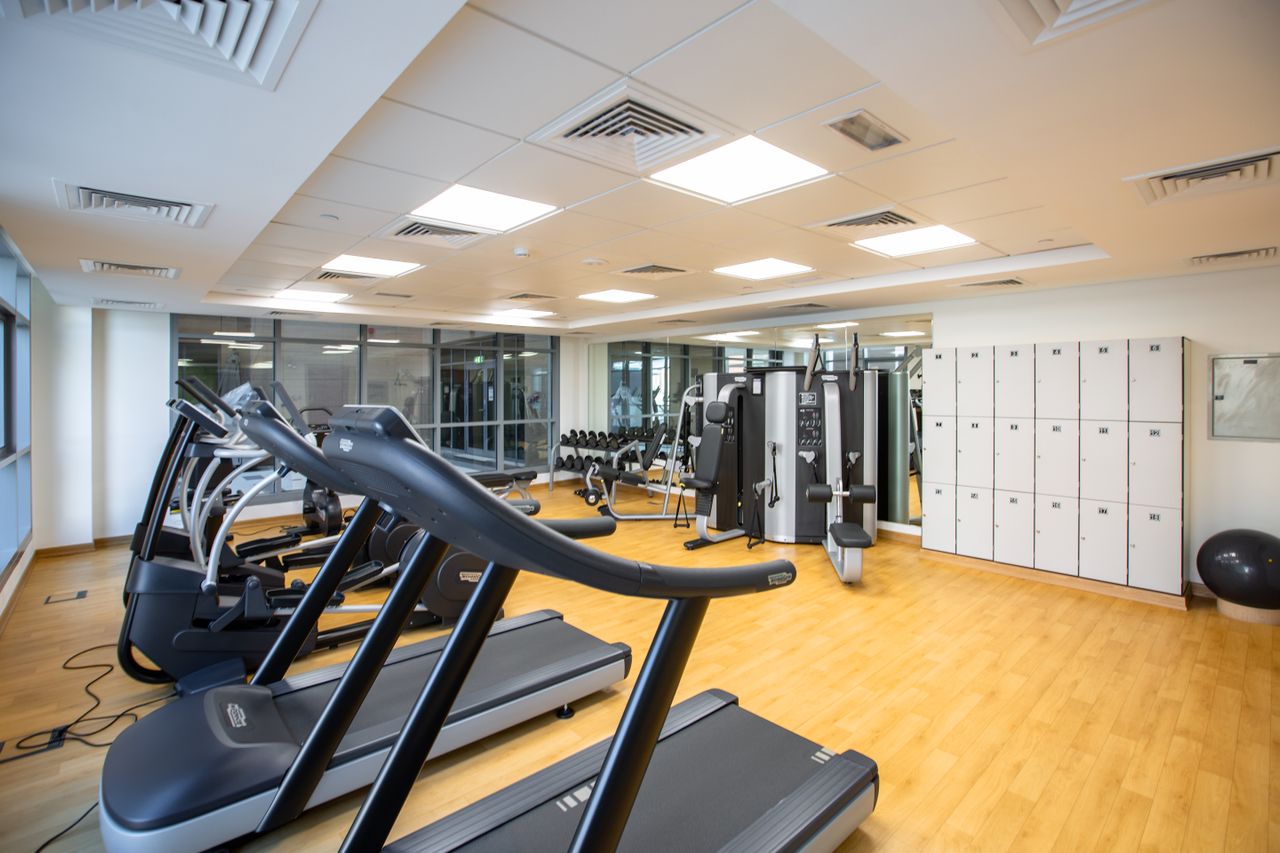
A machine in a home gym might see a few workouts each week. Put that same machine in a busy fitness centre and its working life changes completely. Dozens of people may adjust it, load it, sweat on it, and use it differently every single day. That’s why commercial gym equipment can’t simply look strong. It has to tolerate repetition.
The real test isn’t how impressive a machine feels during a five-minute showroom demo. It’s how well it performs after thousands of workouts, constant adjustments, and years of cleaning and maintenance.
So, what should you actually look for when choosing equipment for a high-use facility?
Start With the Frame, Not the Finish
A glossy finish can make almost any machine look premium. The frame underneath it matters far more.
Commercial strength equipment needs a stable structure that doesn’t shift noticeably when someone trains hard. Welds, joints, support points, and the overall geometry of the frame all contribute to that stability.
Pay attention to how the machine behaves under load. Does the frame stay planted? Do the uprights feel rigid? Are the contact points secure?
This matters for racks and benches, but it’s just as relevant for cable stations, plate-loaded machines, and other strength equipment.
Powder-coated finishes are also common for good reason. They help protect the underlying metal from scratches and corrosion, particularly in an environment where equipment is constantly exposed to sweat and cleaning products.
Still, don’t let an attractive coating distract you from what’s underneath it. Paint is easy to see. Structural quality takes a little more investigation.
Small Moving Parts Can Become Big Problems
The largest part of a cable machine might be its steel frame, yet a much smaller component can put the entire station out of service.
Think about cables, pulleys, bearings, guide rods, adjustment pins, and fasteners. These parts move repeatedly and often experience thousands of cycles long before the frame shows meaningful wear.
Try the equipment rather than simply looking at it.
A cable should travel smoothly through its range. Adjustment pins should lock firmly without requiring a fight. Seats and pads should move into position without excessive play. Pulleys shouldn’t produce an obvious grinding or jerking sensation.
These details affect more than durability. They change how the equipment feels to members.
A beautifully built machine with rough movement isn’t going to feel particularly premium after six months of use.
Commercial Equipment Has to Work for Different Bodies
Your members aren’t identical.
One person may be 155 cm tall and another may be close to two metres. Some will be beginners learning basic movements, while others may have trained for decades.
Commercial equipment therefore needs useful adjustment ranges.
Seat height, backrest position, starting position, handles, safety stops, and cable heights are all worth examining. An adjustment system should also be intuitive enough that someone can figure it out without needing staff assistance every time.
This becomes particularly important when you’re selecting heavy-duty commercial gym equipment for a facility serving a broad membership base. A machine may be incredibly strong, but that strength doesn’t help much if its geometry only feels comfortable for a narrow range of users.
Try to evaluate equipment from your members’ perspective rather than your own body dimensions.
Think in Hours of Use, Not Years
People often ask, “How many years will this machine last?”
There’s no single useful answer.
A treadmill used for eight hours every day experiences a very different workload from a treadmill in a small hotel gym that gets used for an hour or two. The calendar may say both machines are five years old, but mechanically they’ve lived very different lives.
Usage is a better way to think about durability.
Ask yourself which equipment will receive the most traffic. In many general fitness facilities, popular cardio machines, cable stations, benches, and basic strength stations can accumulate substantial use.
Those are often sensible places to prioritise durability and easy maintenance.
Equipment that gets used less frequently may not need the same level of investment. Your purchasing budget doesn’t have to be distributed equally across every square metre of the gym.
Serviceability Deserves More Attention
Here’s an unglamorous question that can save you considerable trouble later:
Can the machine actually be repaired?
Eventually, something will wear out. That’s normal. Upholstery tears. Cables stretch. Bearings wear. Belts need attention. Electronics can fail.
The difference between a minor maintenance job and an expensive headache often comes down to parts availability and machine design.
Before purchasing, ask whether common replacement components are available. Find out what the warranty covers and whether servicing can be handled locally. If a proprietary component fails, how quickly can you obtain another one?
A machine that’s easy to maintain can remain useful long after its first wear item needs replacement. One that’s difficult to service may spend weeks sitting behind an “out of order” sign.
Members notice those signs.
Don’t Forget the Parts People Touch
Durability isn’t only about steel.
Handles, grips, pads, upholstery, adjustment knobs, and footplates receive constant physical contact. In a commercial environment, they’re also cleaned repeatedly.
Check upholstery around edges and seams, where wear often becomes visible first. Look at how pads are attached and whether they can be replaced individually.
Handles deserve attention too. A grip that rotates unexpectedly, becomes slippery, or starts separating from the handle can make an otherwise solid machine unpleasant to use.
These parts might seem minor when you’re comparing large equipment purchases, but they’re the surfaces your members experience directly.
Floor Layout Can Affect Equipment Life
Even excellent equipment can suffer when it’s installed badly.
Crowding machines too closely can make access difficult and encourage users to squeeze plates, dumbbells, and accessories through narrow gaps. Equipment can get knocked, scratched, or used from awkward positions.
Cardio equipment also needs appropriate clearance and ventilation. Strength areas need enough room for loading plates and moving safely around benches and racks.
Before ordering, map the actual footprint of each machine rather than relying on rough estimates.
Remember to account for movement around the equipment, not merely the dimensions of the equipment itself.
A machine may technically fit into a gap while still being completely impractical to use there.
Maintenance Should Start on Day One
Waiting for equipment to feel broken before inspecting it is an expensive maintenance strategy.
Create a simple routine from the beginning. Staff can regularly check bolts, cables, upholstery, adjustment mechanisms, belts, grips, and other high-wear components. Cleaning also gives employees an opportunity to notice small problems early.
Listen for changes as well.
A new squeak, rough cable movement, loose handle, or unusual vibration may be the first indication that something needs attention. Fixing a small issue early is generally easier than waiting until the equipment becomes unusable.
Keep maintenance records for heavily used machines. Over time, those records can also show you which equipment is costing more to keep operational.
Also Read: When to Reach for a Long Sleeve Gym Top Instead of a Tank?
Buy for the Gym You’ll Actually Run
It’s easy to get distracted by impressive machines when planning a commercial gym. But your equipment selection should reflect how people will actually train in the space.
A strength-focused facility may put racks, benches, free weights, and cable stations under enormous daily demand. A hotel gym might place far more stress on treadmills and bikes. A personal training studio may value versatility and compact footprints because every square metre has to earn its keep.
Start with your expected users, training style, available floor space, and likely traffic.
Then judge equipment based on how well it can handle that reality.
Commercial durability isn’t one specification printed on a product page. It’s the result of structural stability, dependable moving components, sensible adjustment, replaceable wear parts, proper installation, and regular maintenance.
Choose with those factors in mind and you’re far more likely to build a gym that still feels solid after the new-equipment shine has disappeared.


About the Author