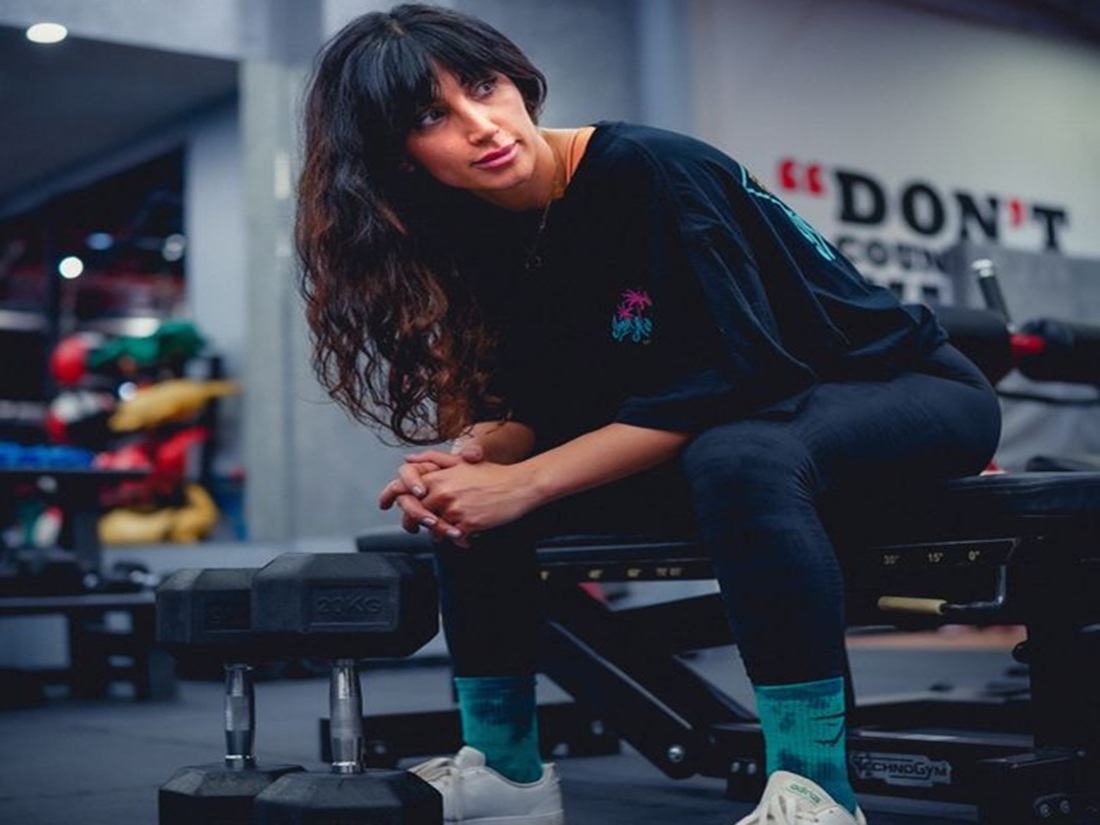
Tanks and short sleeves tend to get all the attention when people talk about workout wear. They’re the default, the go-to, the thing you throw on without thinking. But long sleeves have quietly become one of the most useful pieces you can have in your gym bag, and if you’ve been sleeping on them, you’re missing out on a layer that solves a surprising number of real problems.
On a chilly early-morning lift, a run through unpredictable weather, or one of those days you don’t feel like showing arm, long sleeves earn their keep. Here’s how to think about them, what to look for, and when they’ll genuinely serve you better than any tank in your drawer.
When long sleeves actually make sense
A long sleeve isn’t just a warmer top. It changes how your workout feels in ways you notice pretty quickly.
Cold gyms are the obvious one. If your gym runs its air conditioning like a walk-in freezer, or you train in a garage during winter, long sleeves keep your muscles warmer between sets. Warm muscles perform better and injure less easily. That’s not fitness folklore. It’s why every serious lifter you see is wearing a hoodie through their first few working sets.
Outdoor cardio is another. Cool mornings and windy days ruin the vibe of a short-sleeve run pretty fast, but a decent long sleeve regulates your temperature well enough that you barely notice the weather.
There’s also the comfort side nobody talks about. Some days you just don’t want your arms out. Maybe you’re doing a full-body workout in a crowded gym, maybe your skin’s a bit sensitive to bar knurling and rack padding, or maybe you’re just in a mood. That’s a perfectly good reason on its own.
What to look for in fabric and fit
Not every long sleeve top belongs at the gym. A cotton crewneck will hold sweat like a sponge, cling in the worst places, and leave you soaked and freezing by the end of your warm-up. Fabric is the whole ballgame here.
Fabric
Look for blends built around polyester, nylon, or a bit of spandex. These pull moisture off your skin and dry fast, which is exactly what you want when you’re moving hard. A little elastane in the mix helps the top stretch with you instead of fighting your range of motion.
Cotton isn’t automatically bad, but for anything sweaty, keep it as a small percentage of the blend rather than the main fibre. If a piece feels heavy in the store, it’ll feel twice as heavy after ten minutes of burpees.
Some tops also come with mesh panels under the arms or along the back. That’s a nice touch. It’s the kind of small design decision that means someone actually thought about what happens when you’re mid-set and sweating.
Fit and cut
Fit is personal, but there are two extremes to avoid. Too tight around the shoulders and you’ll feel restricted the second you press anything overhead. Too loose and the sleeves ride up your forearms every rep, which is genuinely annoying by set three.
A good long sleeve gym top should feel snug through the torso without squeezing, and roomy enough at the shoulders that you can circle your arms freely. Cropped, fitted, oversized, cinched, thumbholes, no thumbholes. Those are style calls. What matters is that when you move, the top moves with you and stays where you put it.
Features that make a difference
A few extras separate a good long sleeve from one you’ll actually reach for every week.
Thumbholes get made fun of, but they’re useful. They keep sleeves anchored during warm-ups, planks, and any exercise where you don’t want fabric bunching at your wrists. Flatlock seams are another one worth caring about. Regular seams can rub during long cardio sessions, and by mile four you’ll notice.
Length matters too. A long sleeve that hits at your hip works for almost anything. Cropped versions look great with high-waisted leggings if that’s the vibe you’re going for, and longer, tunic-length pieces are handy on days you want more coverage without switching to a whole outfit change.
And breathability shouldn’t be an afterthought. The best pieces manage to keep you warm at the start of a session without turning into a sauna once your heart rate climbs. That balance is harder to hit than it sounds.
Styling them beyond the gym
One of the quiet upsides of a well-made long sleeve is that it doesn’t have to stay at the gym. A fitted long sleeve looks completely normal under a denim jacket, over a sports bra with joggers, or paired with regular jeans on the walk home from a class.
That’s part of what makes them worth spending on. A tank is essentially a workout piece. A good long sleeve is a workout piece and a casual layer and a running top and a hiking piece. You get more days of wear per top, which usually means better value even if the sticker price is a bit higher.
If you’re building out your rotation and want a starting point, browsing a solid range of Women’s Long Sleeve Gym Tops is a good way to see what different fits, lengths, and fabric weights look like side by side. You’ll get a feel pretty fast for what suits your training and what doesn’t.
Also Read: Gym Membership on a Budget: Tips for Getting the Best Deal
Building a rotation
You don’t need a drawer full of them. Two or three long sleeves in different weights will cover almost every situation. A lightweight one for warmer sessions and outdoor cardio, a mid-weight one for regular gym use, and something heavier for cold mornings or outdoor lifting.
Rotate them properly and each one lasts longer. Wash them inside out on a cool cycle, skip the dryer when you can, and they’ll hold their shape and colour for years rather than months.
Long sleeves aren’t the flashiest part of a workout wardrobe. They don’t get the same attention as leggings or trainers. But they’re one of those pieces that quietly makes your training more comfortable, and once you’ve got one you like, you’ll wonder how you trained without it.


About the Author