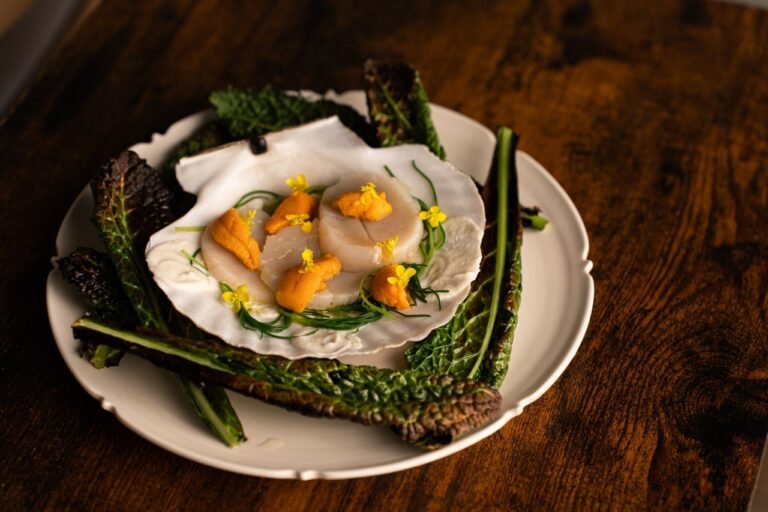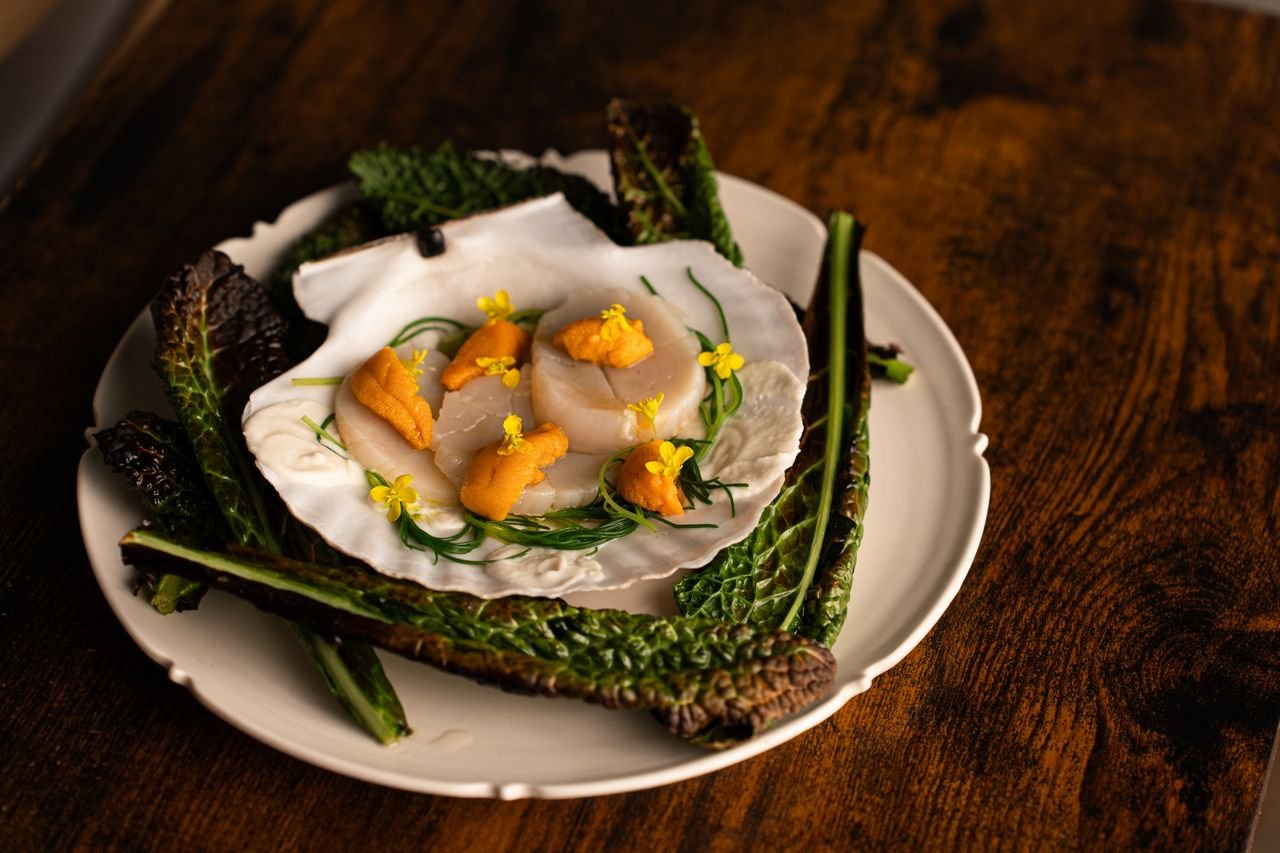
A lot more goes into a fine dining meal than what arrives at the table.
There are farmers growing the ingredients, people transporting them, cooks preparing them, water running through the kitchen, ovens working through service, and plenty of packaging being opened along the way. Then there is everything left over once dinner is finished.
For a restaurant that takes sustainability seriously, all of those details matter.
Sustainable fine dining is not simply about buying local vegetables or putting a sustainability statement on a website. It is about looking at how a restaurant actually operates and finding better ways to use food, water, energy, and other resources.
Sustainable fine dining restaurants reduce their environmental impact through seasonal sourcing, waste reduction, water conservation, renewable energy, reduced plastic use, and protection of local ecosystems. None of these practices has to take away from the quality of the food. Done well, they can make the dining experience feel more connected to its surroundings.
What Makes a Fine Dining Restaurant Sustainable?
There is no single formula for sustainable fine dining.
One restaurant may focus heavily on local farms. Another may put more effort into reducing food waste or conserving energy. Some grow their own ingredients, while others work closely with fishermen, foragers, and regional producers.
That is where sustainable gastronomy becomes practical. The goal is not to make a restaurant look environmentally conscious. The goal is to make better decisions consistently.
Responsible sourcing is a good starting point. Buying seasonal ingredients can reduce the need to transport products long distances. It can also give chefs ingredients when they are naturally at their best.
Waste matters too. Professional kitchens produce plenty of it, so finding uses for scraps, reducing packaging, and reusing materials can add up over time.
How Do You Choose a Fine Dining Restaurant for a Special Occasion?
For an anniversary, birthday, or other milestone, the food is only part of the experience.
A good restaurant should have strong cooking, attentive service, and a setting that feels appropriate for the occasion. It is also worth looking at where the ingredients come from and whether the restaurant has a genuine connection to its region.
Recognition from the MICHELIN Guide can provide useful context. MICHELIN Stars recognize the quality and consistency of a restaurant’s cooking, while a MICHELIN Green Star recognizes meaningful sustainability efforts.
The best Michelin dining experience does not necessarily need to be the most elaborate. A meal that feels thoughtful, comfortable, and connected to its surroundings can be far more memorable.
How Does Responsible Sourcing Reduce Environmental Impact?
Seasonal Ingredients Reduce Transportation
Menus change when restaurants cook with the seasons.
A seasonal menu California diners encounter in spring may be quite different from one served later in the year. That is because the kitchen is responding to what growers, fishermen, and other producers can provide.
There can be an environmental benefit to this approach. Ingredients do not always need to travel long distances simply because a restaurant wants to keep one particular dish available year-round.
It can also make a chef’s tasting menu more interesting. The kitchen has room to change direction when the ingredients change.
Local Relationships Matter
Local sourcing is not just about counting miles.
A chef who regularly works with nearby farmers or fishermen gets to know their work. They learn what is being grown, what is available in smaller quantities, and how weather or other conditions have affected a harvest.
Those relationships can lead to better purchasing decisions and less unnecessary waste.
They can also give a restaurant its own identity. Hyper-local cuisine works best when the connection to the region is real, rather than something added to the menu for effect.
How Does Harbor House Inn Put Sustainability Into Practice?
Harbor House Inn provides a good example on the Mendocino Coast.
The property has a 320-acre ranch near Point Arena, known as Harbor House Inn Ranch. Around one acre is currently used for annual and perennial production, with a greenhouse and high tunnel helping support the growing operation.
Chef Matthew Kammerer has developed a cooking style that makes use of ingredients from the surrounding area, including locally grown and foraged products.
The restaurant has received two MICHELIN Stars and a MICHELIN Green Star. For travelers researching a Michelin-starred restaurant in Mendocino, those awards are important, but the sustainability story goes beyond the recognition itself.
The farm, the kitchen, and the surrounding landscape are connected in practical ways. That gives Chef Matthew Kammerer’s restaurant a fairly direct relationship with the place where it operates.
That is also what gives a stay at Harbor House Inn California a stronger sense of place.
What Happens Beyond the Dining Room?
Some of the most useful sustainability measures are the ones guests barely notice.
Harbor House Inn has reported that the property uses 100 percent renewable local energy, including geothermal and solar power. EV charging stations are available as well.
Water is handled with similar care. An in-house filtration system helps reduce the use of single-use plastic bottles, while kitchen water is reused for garden irrigation.
There are smaller measures too. Used fryer oil is turned into handmade candles, and plastic use in kitchen operations has been reduced. The property has also participated in a purple sea urchin restoration initiative.
These details may not appear on a dinner plate, but they are still part of the operation.
For a luxury coastal hotel in California, environmental responsibility cannot really stop at the restaurant. Guests use resources throughout their stay, so sustainable hospitality has to consider the property as a whole.
Why Can Sustainability Make Dining More Interesting?
Sustainability does not always mean having less.
Sometimes it simply means paying closer attention.
A chef working with local growers has to pay attention to what is actually available. That might mean changing a dish because a harvest ended earlier than expected. It might mean finding a use for an ingredient that would otherwise be discarded.
Those restrictions can sometimes push a kitchen in a more creative direction.
There is also something satisfying about eating food that makes sense for the place. At an ocean-view restaurant in California, the Pacific outside the window, the forests nearby, and the farms supplying the kitchen all become part of the context.
That is particularly appealing during a luxury stay in Mendocino or a romantic coastal getaway in California. The meal feels less like an isolated event and more like another part of the trip.
What Should Travelers Look For?
Travelers interested in sustainable dining do not need to become environmental experts before making a reservation.
A few questions can help. Are the ingredients seasonal? Does the restaurant work with nearby producers? What happens to food waste? How does it handle water and energy? Are sustainability efforts part of everyday operations?
Those answers are usually more useful than a vague claim about being environmentally friendly.
A fine dining menu California traveler chooses should still be judged by the food, service, setting, and hospitality. Sustainability adds another reason to look a little closer.
Also Read: Backyard Buzzkill: What Could Ruin Your Next Cookout?
Sustainable Fine Dining Starts With Everyday Choices
Reducing environmental impact in fine dining is not one dramatic gesture. It is a collection of decisions made every day.
Buying seasonally. Working with local producers. Growing food. Reusing water. Reducing waste. Choosing renewable energy. Protecting the ecosystems that supply the kitchen.
Harbor House Inn brings many of these ideas together through its ranch, sourcing practices, renewable energy, water reuse, waste reduction, and conservation work. Its Michelin Green Star recognition is one reflection of that wider approach.
For diners, there is a simple benefit. The meal can still feel special, while the restaurant remains mindful of the place that makes the experience possible.
On the Mendocino Coast, that connection between food and place is not an added feature. It is part of the experience.


About the Author