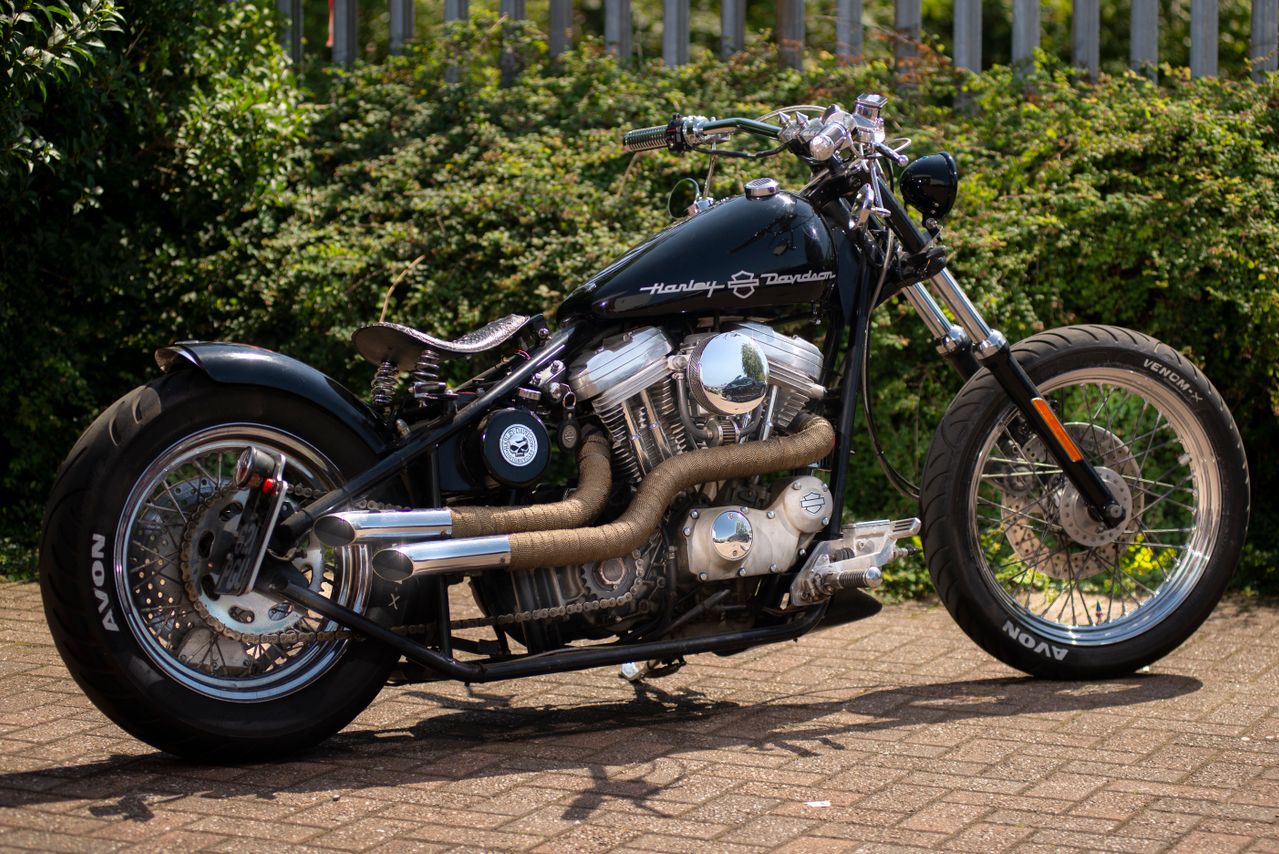
Ask most riders about the stuff they’ve upgraded on their bike, and you’ll hear about exhausts, tires, suspension, maybe a fuel controller. The air filter? Barely a mention. It’s the quiet part of the intake system, tucked away under the tank, and it usually only gets attention when someone remembers it hasn’t been cleaned in three years.
That’s a mistake. The filter has a bigger say in how your engine breathes, revs, and lasts than most people give it credit for. Here’s what’s actually going on in there, how to tell when yours is past its useful life, and what to weigh if you’re thinking about an upgrade.
What an air filter is actually doing
Every combustion cycle needs air. Your engine pulls it in through the intake, mixes it with fuel, ignites the mixture, and sends the exhaust out the back. Simple in theory.
The catch is that the outside world is filthy. Dust, sand, pollen, insect fragments, and road grit all get sucked toward the intake with every stroke. The filter’s job is to catch that debris before it reaches the cylinders, where even fine particles will scratch bores, wear rings, and slowly grind an engine into an expensive rebuild.
A good filter has to do two things at once: block contaminants, and let enough clean air through to keep the engine breathing freely. That balance is the whole game, because the finer the mesh, the more it restricts airflow.
Signs yours needs attention
Filters don’t fail dramatically. They fade. You usually notice something’s off before you connect it to the intake.
Watch for a soft throttle response low in the rev range, especially when rolling on from a stop. If the bike feels lazier than it used to and no other tuning has changed, restriction is a strong suspect. A rougher idle, or a tendency to hesitate under quick throttle inputs, is also a common tell.
Then there’s the visual test. Pull the filter out. Paper elements should still look roughly like their original color and hold their pleats. Foam should feel springy, not gummy. Oiled cotton gauze should be uniformly wet, not caked or dry. If yours looks like the inside of a vacuum cleaner bag, it’s been done for a while.
Mileage matters, but riding conditions matter more. A commuter bike living on clean tarmac can go a lot longer than a bike that regularly sees gravel, farm roads, or dusty summer air.
The three main filter types
Filters aren’t all built the same, and the difference shows up in both performance and how often you’ll be servicing them.
Paper
Paper filters are what most bikes come with from the factory. They filter well, they’re cheap, and they’re disposable. The downside is that once they load up, you replace them. There’s no washing, no re-oiling, no reviving.
Foam
Foam filters are common on dirt bikes and some adventure machines. They flow well, handle grit reasonably, and can be cleaned and re-oiled. They need more frequent maintenance, though, and if they dry out on a dusty ride you’re feeding your engine straight abrasive.
Cotton gauze
Cotton gauze is the go-to media for aftermarket performance filters. Oiled cotton layers trap contaminants while allowing significantly more airflow than paper. They’re washable, reusable, and generally rated to last the life of the engine if you look after them.
Should you upgrade to a performance filter?
The honest answer is: it depends on the bike, and on what you want out of it.
On a stock bike with stock fueling, an aftermarket filter alone won’t turn your commuter into a superbike. You might feel a slightly crisper throttle and hear a bit more induction growl, and that’s about it. The real gains show up when a better-flowing filter is paired with the rest of the intake and fuel side: an open airbox, a proper tune, or a full intake kit.
Where a performance filter earns its keep is in longevity, consistency, and airflow headroom for future work. Something like a set of Premium DNA Air Filters is designed with tighter tolerances, better filtration media, and application-specific fitment, which matters a lot more than the marketing copy suggests. If you’re already thinking about a slip-on, a remap, or velocity stacks down the line, starting with the intake is a sensible order of operations.
If you rarely ride hard, don’t plan on tuning the bike, and you’re happy with how it runs, a fresh OEM filter every service will serve you fine. Not every bike needs the upgrade, and there’s no shame in leaving the intake stock.
Keeping it healthy
Whichever filter you run, a few habits will get the most out of it.
Check it any time you have the tank off for another job. It takes two minutes and tells you a lot. For reusable filters, follow the cleaning and oiling instructions carefully. Over-oiling is a real problem, especially on bikes with mass airflow sensors, where excess oil can foul the sensor and cause weird running issues that are a pain to diagnose after the fact.
Store the bike somewhere reasonably clean if you can. A dusty shed is a filter’s worst nightmare during the off-season, because the intake keeps drawing air whether you’re riding or not.
Also Read: Why Zora Electric Bikes Are a Game-Changer?
Worth the attention
The air filter isn’t a flashy upgrade. Nobody at the coffee stop is going to ask about it, and you won’t feel it kick you in the back the way a new exhaust might. But it sits at the front of every process that makes your engine run, and treating it like an afterthought is a slow way to lose power, waste fuel, and shorten the life of the top end. Give it a proper look next time you’re in the airbox. Your engine will thank you for it.


About the Author