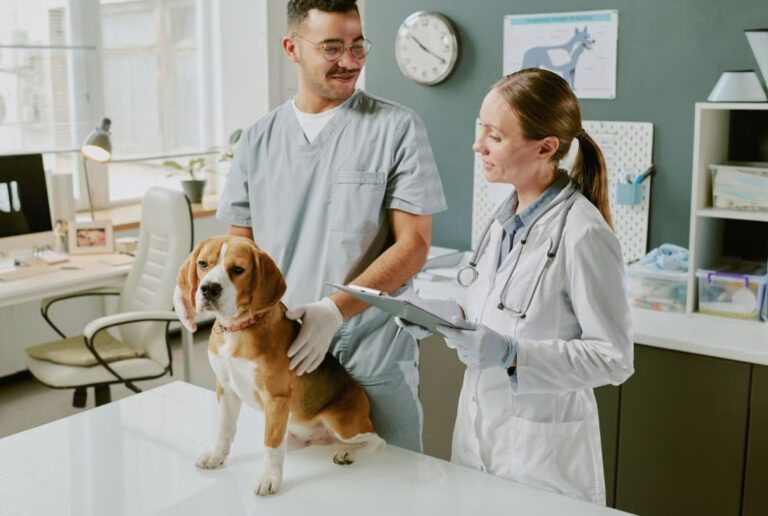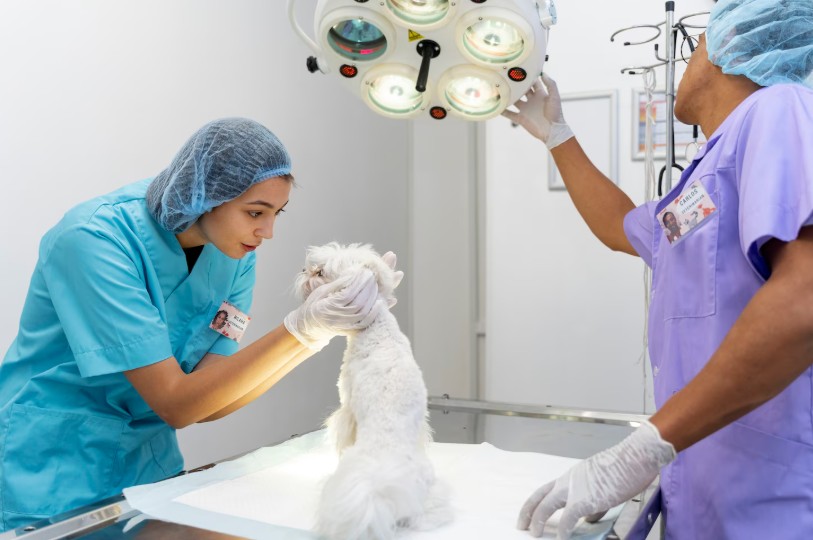
Your pet depends on you for protection from pain and sickness. Vaccinations are one of the strongest tools you have to guard that trust. They train your pet’s body to fight off dangerous diseases before they take hold. Many of these diseases spread quickly, cause lasting damage, or lead to death. Yet many are preventable. When you keep your pet’s shots current, you cut the risk of sudden emergency visits, long treatments, and hard choices. You also help protect other pets, and in some cases, people in your home. This blog explains how vaccines work, which shots your pet needs, and when to schedule them. It also shows how routine shots fit into regular checkups and responsible veterinary care in North Augusta. With clear facts and simple steps, you can decide what your dog or cat needs to stay safe, steady, and by your side.
How Vaccines Protect Your Pet
Vaccines teach your pet’s immune system to spot and fight germs. The shot uses a weakened or inactive part of a virus or bacteria. Your pet’s body then builds a memory of that threat. Later, if your pet meets the real germ, the immune system moves fast and blocks it.
You see three key benefits.
- Your pet faces a lower risk of severe disease.
- You avoid many costly and painful treatments.
- Your home and community stay safer from shared infections.
The American Veterinary Medical Association explains how vaccines work in plain terms.
Core Vaccines vs Noncore Vaccines
Experts group pet vaccines into two simple types. Core vaccines protect against diseases that spread easily or cause severe harm. Noncore vaccines protect against risks linked to lifestyle or region.
Common Dog and Cat Vaccines
| Pet | Core Vaccines | Noncore Vaccines | Key Protection |
|---|---|---|---|
| Dog | Rabies, Distemper, Parvovirus, Adenovirus | Leptospirosis, Bordetella, Lyme, Canine influenza | Deadly nerve disease, severe gut illness, liver and lung damage |
| Cat | Rabies, Feline panleukopenia, Feline herpesvirus, Calicivirus | Feline leukemia virus, Chlamydia | Deadly gut disease, breathing problems, blood and immune damage |
Core shots form the base. Noncore shots are then added after you talk with your veterinarian about your pet’s habits and exposure.
Why Rabies Vaccines Are Nonnegotiable
Rabies kills almost every infected pet and person. There is no cure once symptoms start. The virus spreads through bites and saliva. It attacks the brain and causes fear, confusion, and aggression.
In many states, rabies vaccination for dogs and sometimes cats is required by law. The Centers for Disease Control and Prevention explain rabies risks.
When you keep rabies shots current, you protect three groups.
- Your pet, who might meet bats, raccoons, or other wildlife.
- Your family, who may touch or handle your pet.
- Your community, which depends on low rabies rates.
Routine Schedule Across a Pet’s Life
Vaccines work best when you follow a steady schedule. Your veterinarian may adjust timing based on health, size, and age. Yet most pets follow a pattern with three stages.
Puppies and Kittens
- First shots start around 6 to 8 weeks of age.
- Boosters follow every 3 to 4 weeks until about 16 weeks.
- Rabies is usually given once during this early series.
This schedule closes the gap as protection from the mother fades. Missed visits leave holes in that shield.
Adult Pets
- Core boosters are given every 1 to 3 years, depending on the product.
- Noncore shots may be yearly if risk stays high.
- Each visit includes a full exam to catch hidden problems.
Senior Pets
- Older pets still need protection, though schedules may shift.
- Chronic disease may change which vaccines are safe or needed.
- Your veterinarian weighs risk from germs against stress on the body.
Benefits That Reach Beyond Your Pet
When you vaccinate your pet, you help more than one life. You also support public health. Some infections cross from pets to people. These include rabies and certain flu and bacterial infections.
Three broad gains stand out.
- Lower spread of disease in parks, shelters, and boarding sites.
- Less chance that children or older adults will meet dangerous germs.
- Fewer outbreaks that strain local clinics and animal control.
Healthy pets also avoid long suffering. Preventing disease through a quick shot is kinder than treating a severe infection that may still end in loss.
Common Fears About Vaccines
Many owners fear side effects. Mild swelling, soreness, or tiredness for a day is common. These signs show the immune system is working. Severe reactions are rare. Your veterinarian screens for risk and can space shots if needed.
Some owners worry about “too many shots.” Studies reviewed by national veterinary groups show that the disease risk without vaccines is far higher than the risk from vaccines. Careful timing and record keeping prevent overload. Your role is to share your full health history and keep each appointment.
How To Prepare For a Vaccine Visit
You can make each visit calmer and safer with three simple steps.
- Bring any past records or tags so your veterinarian sees what has been given.
- Write down changes in appetite, energy, or behavior to discuss during the exam.
- Plan quiet time at home after the visit so your pet can rest.
If you notice trouble breathing, repeated vomiting, or swelling of the face after a shot, call your veterinarian or an emergency clinic at once. Quick action protects your pet.
Also Read: Why Oral Surgeons Are Vital In Treating Facial Trauma
Taking The Next Step
Vaccinations are a direct way to guard your pet from preventable pain and loss. They also shield your family and neighbors from shared disease. When you follow a clear schedule and keep records up to date, you honor the trust in your pet’s eyes.
Talk with your veterinarian about which core and non-core vaccines your dog or cat needs this year. Then set reminders for boosters. A few planned visits can spare your pet from severe illness and give you more steady years together.


About the Author