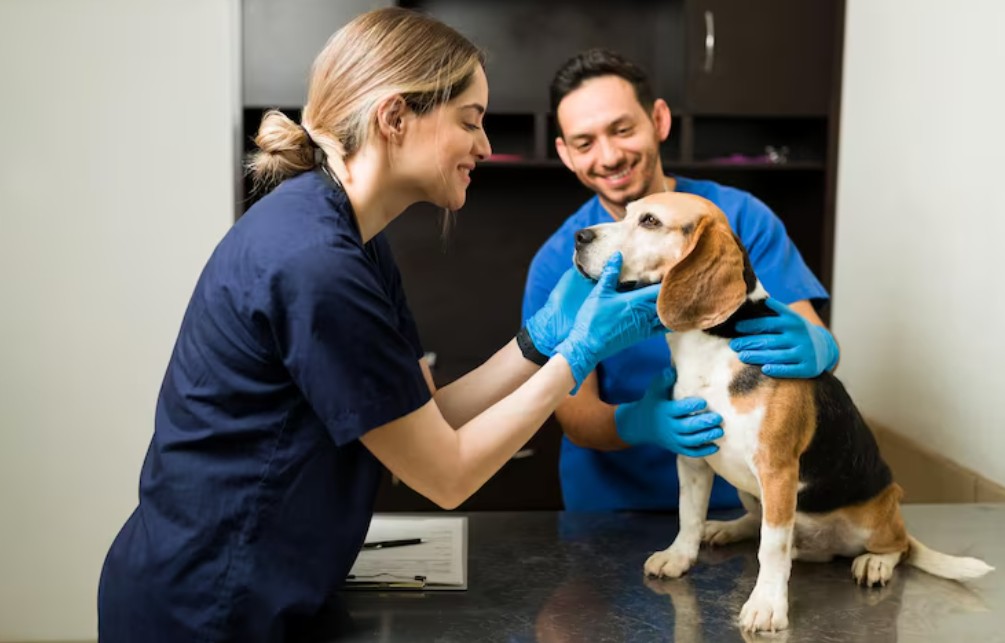
You care about your pet. That is why hard talks at the clinic can feel rough. A vet suggests an expensive test or a new drug. Your chest tightens. You nod, even when your gut says, “Wait. I am not sure.” You are not alone. Many owners fear that one word will label them. “No.” You may worry staff will see you as careless, poor, or rude. You may feel pushed by time, money, or guilt. Yet good care needs honest talk. You can question a plan and still be a strong advocate for your pet. You can say no and still be respectful. This blog shows how to speak up, slow things down, and protect trust with your vet. The tools work whether you see a specialist across town or a general veterinarian in Chicago Heights, IL.
Why saying “no” can feel so heavy
Most owners fear three things when they think about saying no.
- Being seen as careless
- Letting their pet suffer
- Angering or hurting the vet
That fear makes you quiet. You sign forms. You agree to costs. You leave the clinic with a sore wallet and a sore mind. You wonder if you failed your pet or your bank account.
Here is the truth. A good vet expects questions. A good vet knows you live with limits. Money, time, and home stress all shape what you can do. Respect grows when you speak with clarity, not when you say yes to everything.
Your rights as a pet owner
Every clinic visit is a choice. You always have the right to:
- Hear a clear explanation of what is wrong
- Ask what a test or drug is for
- Know the cost before you agree
- Ask for options
- Say no to any part of a plan
Human health care uses the idea of “informed consent.” You agree only after you understand. Pet care uses the same basic idea. Vets should explain what they suggest, why they suggest it, and what happens if you wait or choose a different path. The American Veterinary Medical Association stresses the bond between vet, client, and patient. That bond needs trust, not silence.
Simple phrases to ask hard questions
Stress can freeze your words. It helps to keep a few short lines ready. You can say:
- “Can you explain what you are most worried about right now?”
- “What if we do nothing today and watch at home?”
- “Is there a cheaper test that still gives useful answers?”
- “What is the risk if we wait a week?”
- “Can you rank the top three things you would do for your own pet?”
- “I need to stay under this dollar amount. What would you change?”
These questions stay calm. They show care. They also give the vet a clear frame. You are not refusing care. You are shaping a plan that fits your life.
Also Read: Why Early Detection Is Crucial In Veterinary Medicine
Comparing common choices at the clinic
The table below shows how you might compare options for a sick pet. These are sample points, not medical rules. Your vet will adjust based on your pet.
| Choice | What it means | Possible upside | Possible risk | Good questions to ask |
|---|---|---|---|---|
| Full workup today | All suggested tests and treatments in one visit | Fast answers. Clear plan. Less worry about missing a cause. | High cost. More stress for the pet. You may pay for tests that change nothing. | “Which test changes treatment most?” “Can anyone wait?” |
| Step by step plan | Start with one or two key tests or treatments | Lower first cost. Time to see how the pet responds. | Slower answers. Some problems may grow while you wait. | “What do we risk if we go step by step?” |
| Watch and wait | No tests today. Care at home with close watch. | No clinic cost now. Less stress for a shy or fearful pet. | Risk of missing early signs of a serious illness. | “What warning signs mean I must come back at once?” |
How to say no without burning bridges
You can refuse a test or drug and still protect the bond with your vet. Focus on three steps.
1. Name your goal
Start with your shared aim. You can say:
- “I want my dog out of pain, and I also must keep rent paid.”
- “I want my cat to live as long as possible, but I fear putting him through hard treatment.”
This shows you care about the pet, not only the price.
2. Own your limit
Next, state your limit with plain words.
- “I cannot afford that test today.”
- “I do not feel safe with that surgery right now.”
- “I need time to think before I choose.”
You do not need to defend or explain your whole life. A short line is enough.
3. Ask for a shared plan
Then invite the vet to work with you.
- “Given this limit, what is the next best choice?”
- “Can we focus on comfort care for now?”
- “What is the smallest step we can take today that still helps?”
Most vets will respond with calm and care. If they do not, that is useful information about the match between you and that clinic.
Preparing before you walk into the clinic
Stress drops when you plan ahead. Before your visit, write down three things.
- Your top concern. For example, “He is not eating.”
- Your firm’s money limit for the visit.
- Your deal breakers. For example, “No surgery today” or “No new food without time to research.”
Bring a short list of questions. Keep it to three key points so you can stay focused. You can also bring a calm support person to help you listen and take notes.
The U.S. Food and Drug Administration offers tips on safe use of pet drugs. You can use that kind of trusted source to guide your questions about side effects and warnings.
When it might be time to find a new clinic
Sometimes the issue is not the plan. It is the style of care. You might need a new clinic if you often feel:
- Rushed when you ask questions
- Judged about money or past choices
- Scared to say no
Respect goes both ways. You give honest facts about your pet and your limits. Your vet gives clear information and options. If that gives and take breaks, looking for another clinic is not a failure. It is the protection of your pet and your peace.
You are the steady voice for your pet
Your pet cannot speak in the exam room. You are the one steady voice. Saying no to a vet’s suggestion does not make you a bad owner. Silence and regret hurt more than any hard word.
With clear questions, firm limits, and open respect, you can shape care that fits both your pet and your life. That is not neglect. That is real love in action.


About the Author