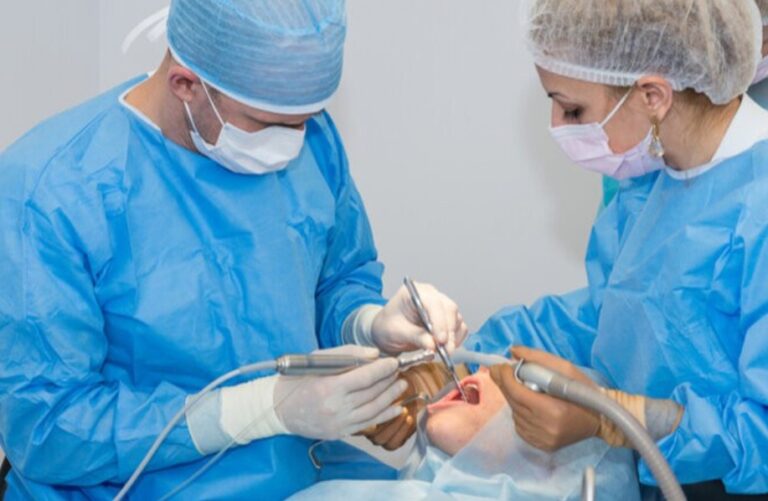
Facial trauma changes how you look, speak, and eat. It also shakes your sense of safety. You might face broken jaws, missing teeth, or deep cuts that heal in strange ways. In these moments, you need more than quick fixes. You need precise repair that restores function and confidence. Oral surgeons focus on bones, teeth, and facial structure. They set fractures, rebuild damaged jaws, and replace lost teeth with strong support. They also work with other doctors in emergency rooms and surgery centers. Together they protect your airway, control bleeding, and repair injuries. Later, they guide you through long recovery. That care can include dental implants in Scottsdale, bone grafts, and scar revision. Each step aims to help you eat, speak, and smile again. This blog explains how oral surgeons protect your health, reduce long term damage, and support your return to daily life.
What Counts As Facial Trauma
Facial trauma covers many injuries. Some look small. Others threaten life. You should seek help if you have:
- Broken or loose teeth after a hit to the face
- Jaw pain, trouble biting, or teeth that no longer fit together
- Swelling, bruising, or numbness in your face
- Cuts on your lips, tongue, or inside your mouth
- Bleeding that does not stop
The National Institute of Dental and Craniofacial Research explains that fast care reduces long-term damage to teeth, bone, and soft tissue. Early action gives you the best chance for stable healing.
How Oral Surgeons Help In An Emergency
During the first hours after an injury, oral surgeons focus on three urgent needs.
- Protect your airway. They make sure you can breathe. They clear blood and teeth fragments. They support broken jaws so your tongue stays in a safe position.
- Control bleeding. They close cuts, remove damaged tissue, and protect exposed bone. This limits blood loss and infection.
- Stabilize broken bones and teeth. They set jaw fractures, wire teeth together when needed, and choose which teeth can be saved.
Each step aims to keep you alive, reduce pain, and prepare your face for healing. Quick repair also lowers the risk of long term problems like chronic jaw pain or nerve damage.
Why Oral Surgeons Are The Right Specialists
Oral surgeons complete dental school. Then they train for several more years in surgery, anesthesia, and medical care. That training focuses on the mouth, jaws, and face. It gives them unique skills.
You gain three key benefits.
- Precise knowledge of teeth and bone. They know how your bite should work. They match repairs to your natural jaw movement.
- Experience with facial nerves and blood vessels. They work near sensitive structures every day. They know how to avoid extra harm.
- Use of imaging and surgery tools. They use CT scans and surgical guides to plan exact repairs.
This mix of dental and surgical skills lets them treat complex injuries that affect both your smile and your ability to chew and speak.
Common Facial Trauma Treatments By Oral Surgeons
| Type of injury | Common treatment | Main goal |
|---|---|---|
| Broken jaw | Plates and screws to hold bone in place | Restore bite and protect airway |
| Knocked out or shattered tooth | Replant tooth or place implant later | Restore chewing and prevent bone loss |
| Deep facial cuts | Layered stitches and scar care plan | Protect function and reduce scarring |
| Cheekbone or eye socket fracture | Surgical repair with plates or grafts | Protect eye and face shape |
| Multiple face injuries | Staged surgeries and long-term follow-up | Restore balance, speech, and eating |
Why Timing Matters So Much
Time after trauma affects your outcome. You should seek care right away if you suspect a fracture or tooth injury.
- Early repair helps bone heal in the correct position.
- Fast treatment of knocked-out teeth improves the chance of saving them.
- Prompt cleaning of cuts lowers infection risk.
The MedlinePlus guide on facial injuries explains that delays can lead to chronic pain, infection, and deformity. Quick action protects your long-term health and comfort.
Long Term Care After Facial Trauma
Recovery does not end when stitches come out. Oral surgeons help you through months or years of healing.
- Dental implants and bridges. These replace missing teeth and support your jaw. They also help you chew on both sides.
- Bone grafts. These strengthen weakened jawbones so they can hold teeth or implants.
- Scar revision and soft tissue repair. These steps improve comfort and movement around your lips and cheeks.
You may also need help with jaw stiffness, nerve pain, or fear after the injury. Your oral surgeon can coordinate care with other providers so your physical and emotional needs both receive attention.
Also Read: How Smile Symmetry Influences Dental Implant And Cosmetic Outcomes
How To Support A Loved One With Facial Trauma
If someone you love has facial trauma, your support matters. You can help in simple ways.
- Go to appointments with them and take notes.
- Help with soft foods and medicine schedules.
- Listen when they share fears about their appearance.
Recovery from facial trauma takes patience. Steady support and clear information ease fear. Oral surgeons provide that guidance and give you a clear path forward.


About the Author