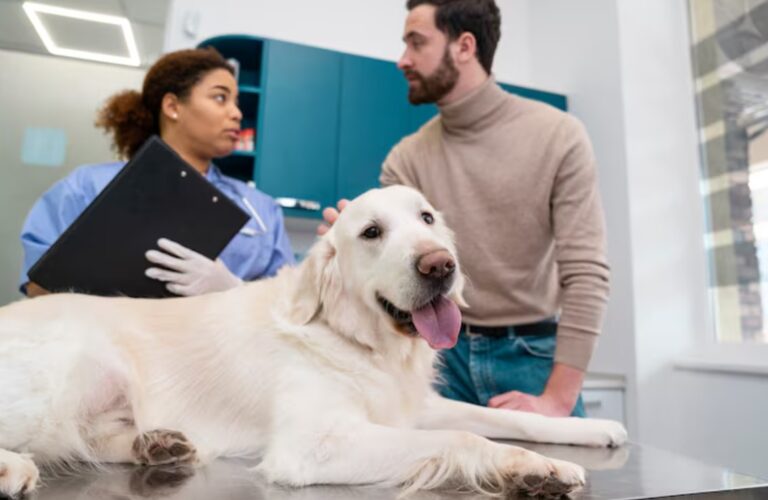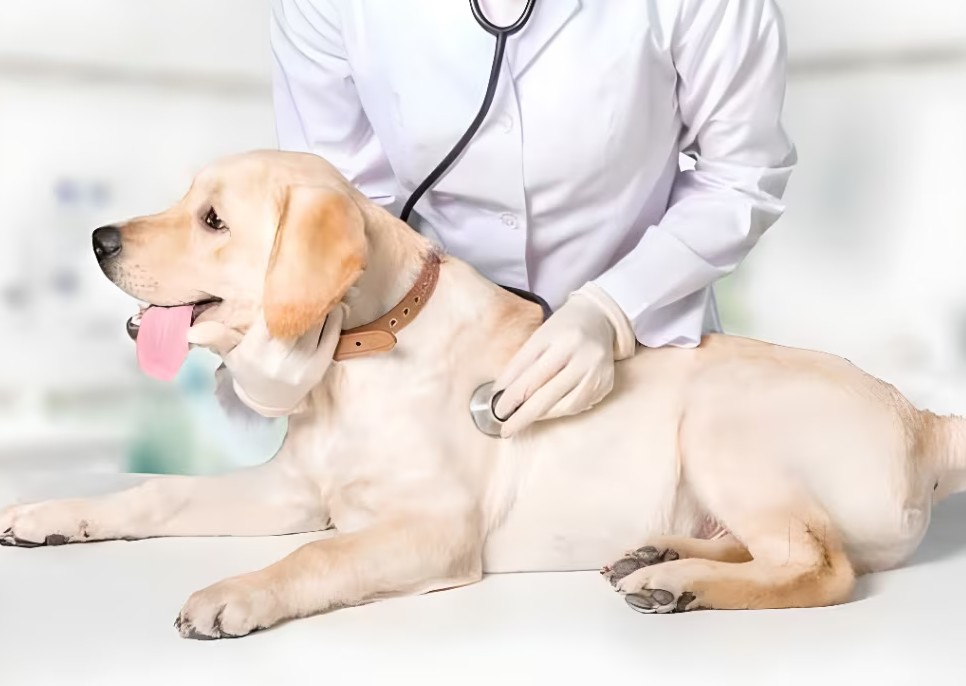
You hand your pet to a stranger and hope they care as much as you do. That moment can feel sharp. Trust is not a slogan on a wall. It grows from what you see, hear, and feel each time you walk through the door. You notice how staff greet your pet by name. You see how clearly the team explains options and costs. You feel how they treat your worries with respect. Every choice builds or breaks trust. This is true in a small rural practice. It is also true in a busy veterinary clinic in Cary, NC. You want honest answers, clear plans, and steady support when things go wrong. Animal hospitals that understand this do three things. They listen. They speak plainly. They follow through. When they do, you feel safe leaving your pet in their hands.
Why trust with your animal hospital matters
Trust affects what you agree to and how you follow care plans. It shapes how fast you seek help when your pet acts strange or stops eating. It also affects your stress level during hard moments like surgery or end of life care.
When you trust your animal hospital, you are more likely to:
- Bring your pet in for regular checkups
- Ask hard questions about pain, side effects, and cost
- Follow treatment plans at home
The American Veterinary Medical Association explains that strong communication improves care and protects both pets and owners.
Communication that earns your trust
Clear words show respect. Confusing terms and rushed talks damage trust. You need simple language, honest limits, and space to think.
Strong animal hospitals use three habits in every visit:
- They listen without cutting you off
- They explain findings in plain words
- They check that you understand the plan
You should hear things like:
- “This is what we found.”
- “Here are three choices. Here is what each one means for your pet.”
- “These are the costs today. These are likely costs later.”
They should welcome your questions. They should never make you feel rushed or foolish.
Respectful handling of your pet
How staff touch and move your pet tells you a lot. Calm, steady hands show skill and care. Rough pulling or loud voices cause fear. That fear harms trust.
Look for staff who:
- Approach your pet slowly and speak in a quiet tone
- Use safe holds that prevent bites without force
- Pause if your pet panics and adjust the plan
The goal is simple. Reduce fear, stress, and pain as much as possible. Hospitals that follow low-stress methods often explain each step before they begin. That simple act eases both you and your pet.
Also Read: 5 Benefits Of Using An Accredited Animal Hospital
Honest talk about money
Money talk can feel tense. You may fear that you will look uncaring if you say you have a limit. A trustworthy animal hospital faces that tension head-on.
They should:
- Give written estimates before treatment when possible
- Explain what is urgent and what can wait
- Offer a few levels of care when safe
They should also share cost-saving steps like vaccines, spaying and neutering, and weight control. The Centers for Disease Control and Prevention highlights how regular vaccines protect pets and people.
Transparency during treatment
You should never feel shut out once your pet goes to the back. Strong hospitals keep you informed. They tell you what tests they will run and why. They call when they say they will. They admit when they do not yet know the answer.
Trust grows when you hear:
- “We tried the first plan. Here is how your pet responded.”
- “We did not see the change we wanted. Here are the next steps.”
- “This is outside our skill. We suggest a referral to a specialist.”
That last point matters. A hospital that refers you when needed puts your pet first.
Cleanliness and safety signals
You can spot many trust signs with your own eyes and nose. Clean floors, fresh smells, and neat exam rooms show that staff care about safety. Clear labels on medicines and tools also show care.
Ask staff how they:
- Clean rooms between patients
- Prevent spread of disease
- Handle bites or scratches
Hospitals that answer without delay show that they have real systems in place.
What trustworthy animal hospitals share
| Trust Signal | What You See | What It Shows |
|---|---|---|
| Clear communication | Plain words and written plans | Respect for your choices |
| Gentle handling | Slow touch and calm voices | Care for your pet’s stress |
| Cost transparency | Estimates and options | Honesty about money |
| Clean facility | Neat rooms and clear labels | Focus on safety |
| Follow through | Callbacks and checkups | Long term support |
How you can build a stronger partnership
Trust is not one-sided. You also play a role. You help your animal hospital care well when you:
- Share full health history and medicines
- Bring records from past clinics
- Tell staff what you can and cannot afford
- Give clear updates after you go home
When both sides speak clearly and act with care, your pet benefits. You gain a team that knows your animal, your limits, and your hopes. That team can guide you through simple visits and hard days with the same steady respect.


About the Author