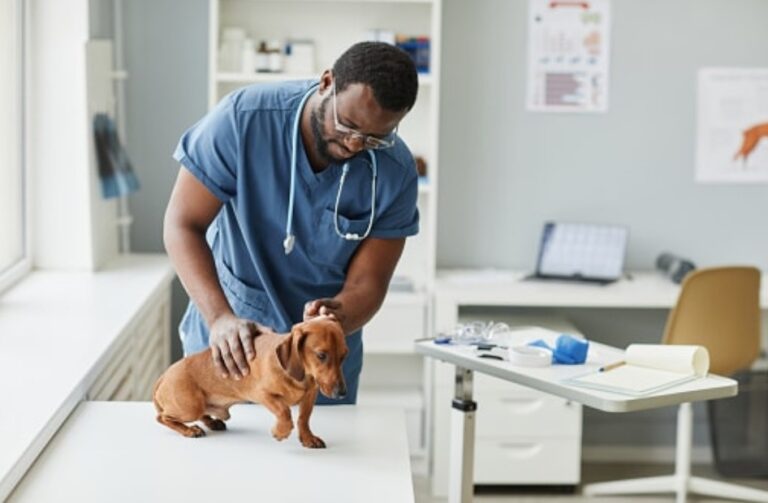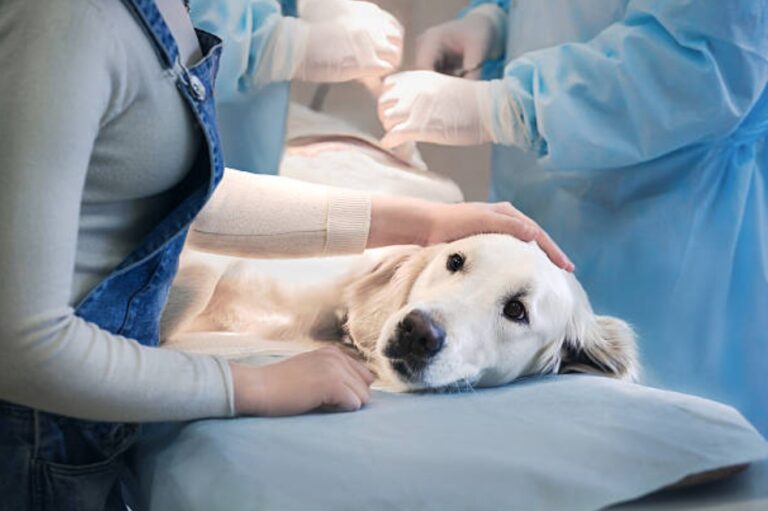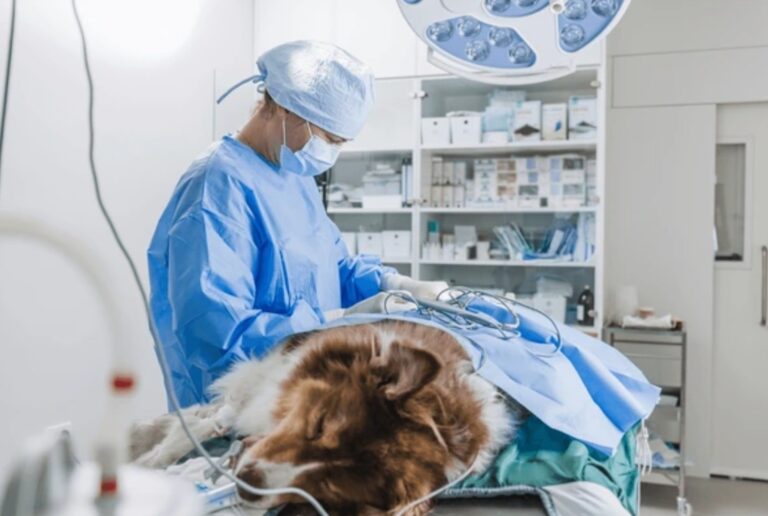
When your pet needs surgery, fear can hit hard. You imagine the worst. You wonder what happens behind the closed doors of an animal hospital. This blog explains how teams protect your pet during complex procedures. It focuses on planning, safety checks, and close watching at every step. It also shows how staff at a Lower Sackville, NS veterinary clinic use clear routines to reduce risk and control pain. You will see how surgeons, nurses, and support staff work together as one unit. You will learn how they prepare before surgery, act during surgery, and support recovery after surgery. Each step has a purpose. Each step guards your pet from avoidable harm. By the end, you will know what questions to ask and what standards to expect. You will not erase worry, but you will gain steady confidence in the process.
Step One: Careful Planning Before Surgery
Safety begins long before the first cut. The team gathers facts about your pet and the planned surgery. They look for hidden risks and set a clear plan.
Most hospitals follow guidance from groups such as the American Veterinary Medical Association. You can expect three key steps before surgery.
- Health check and history review
- Blood work and imaging when needed
- Anesthesia plan tailored to your pet
Staff ask about past reactions to drugs. They ask about breathing trouble, seizures, and heart problems. They listen to your concerns. This quiet talk shapes every choice that follows.
Step Two: Pre-Surgery Safety Checks
Right before surgery, the team slows down. They run through a safety checklist. This prevents simple mistakes that can cause deep regret.
A typical checklist includes three checks.
- Correct patient and correct procedure
- Correct site marked and clipped
- Correct tools, implants, and supplies ready
Each person has a role. One person confirms your pet’s name and the procedure. Another confirms the site. Another checks the tools and monitors. The surgeon leads a short “time out” to confirm that everyone agrees.
Step Three: Safe Use of Anesthesia
Anesthesia can worry any pet owner. You hand over control of your pet’s breathing and heartbeat. Strong control is the reason complex surgery is possible.
An anesthesia plan covers three parts.
- Pre-anesthetic drugs to calm and control pain
- Induction drugs to bring your pet under
- Gas or IV drugs to keep your pet under
Staff place an IV catheter to give drugs and fluids. They place a breathing tube to protect the airway. They choose drug types and doses based on weight, age, and health. They also choose special drugs for older pets or pets with kidney or heart disease.
Step Four: Constant Monitoring During Surgery
During surgery, one person watches only your pet. This person does not shift focus to tools or sutures. Their job is to see trouble early and act fast.
Modern hospitals use electronic monitors. These devices track body functions with more precision than any human hand or eye. The table below shows common checks during surgery.
| Function Watched | Tool Used | What It Tells The Team |
|---|---|---|
| Heart rhythm | ECG monitor | Shows irregular beats and strain |
| Blood oxygen | Pulse oximeter | Shows if tissues receive enough oxygen |
| Blood pressure | Pressure cuff or arterial line | Shows if organs receive enough blood |
| Carbon dioxide | Capnograph | Shows how well your pet breathes out |
| Body temperature | Temperature probe | Shows drops that can slow healing |
If any number drifts, the team adjusts drugs, fluids, heat, or breathing support. They act early, not late.
Step Five: Infection Control Every Moment
Infection risk never reaches zero. Yet strong habits shrink the risk. Clean technique matters as much as sharp skill.
Hospitals follow steps supported by research from groups such as the Centers for Disease Control and Prevention. Standard steps include three core habits.
- Hand cleaning before and after every patient
- Sterile gowns, gloves, and drapes in the surgery room
- Proper cleaning of tools and surfaces between cases
Staff clip fur without cutting skin. They scrub the site with disinfectant. They keep the surgery room closed during the procedure. Each habit lowers the chance of a painful infection later.
Step Six: Pain Control And Recovery Support
Pain control is not a luxury. It is part of safe surgery. Pain raises blood pressure, slows healing, and can break trust.
Most hospitals use a “multi-step” plan for pain. They give pain drugs before surgery, during surgery, and after surgery. They may use local nerve blocks to numb a limb. They may add constant infusions for longer cases. They also use simple support.
- Warm blankets or heated pads
- Quiet, dark recovery spaces
- Gentle handling during checks
Staff watch for signs of pain such as restlessness, hiding, or refusal to eat. They adjust drugs instead of waiting for the pain to fade.
Also Read: How Animal Hospitals Handle High Risk Anesthesia Cases
Step Seven: Clear Instructions For Home Care
Once your pet is awake and stable, the focus shifts to you. Clear home care is the bridge between surgery and full recovery. Confusing instructions can undo careful work.
You should receive three things before you leave.
- Written instructions that match what the staff explains out loud
- Exact drug names, doses, and timing
- Specific warning signs and a phone number to call
Staff should show you how the incision looks. They should explain what is normal and what is not. They should tell you when to remove bandages, when to limit activity, and when your pet can eat regular food.
Questions You Can Ask Your Veterinary Team
You have every right to ask how the hospital protects your pet. Straight questions show that you care. They also show that you expect strong standards.
You can ask three simple questions.
- Who will watch my pet’s anesthesia during surgery
- What monitors will you use to watch heart, breathing, and blood pressure
- How will you control pain during and after surgery
Honest, clear answers build trust. They also help you feel less powerless while your pet is in the hospital.
Complex surgery always carries some risk. Yet structured planning, constant watching, and strong home care reduce that risk. When you understand these steps, you can stand beside your pet with steady courage during a hard moment.


About the Author