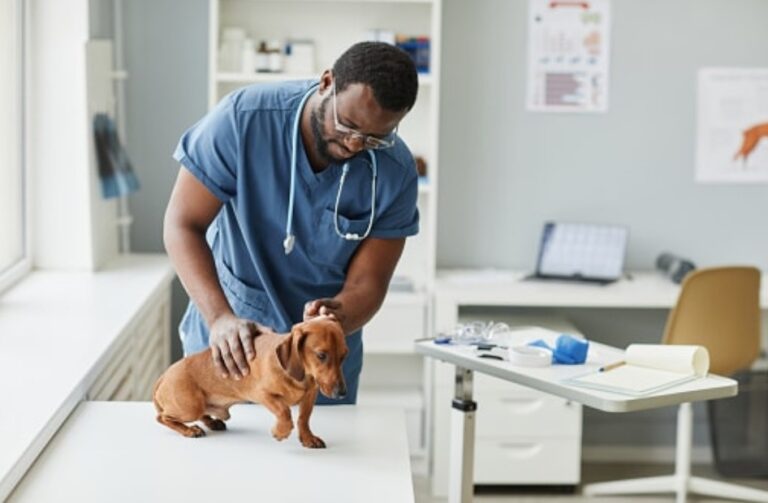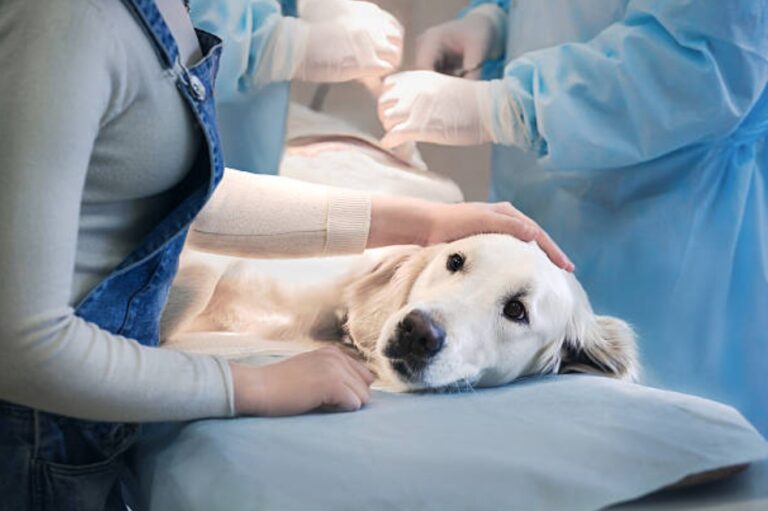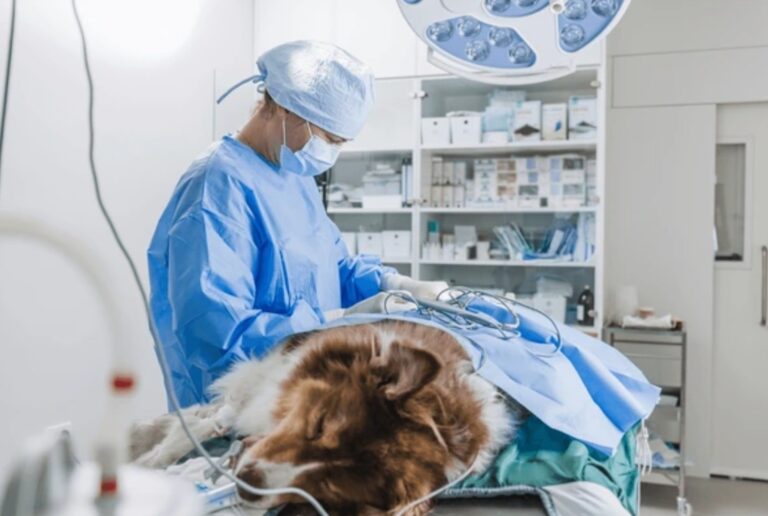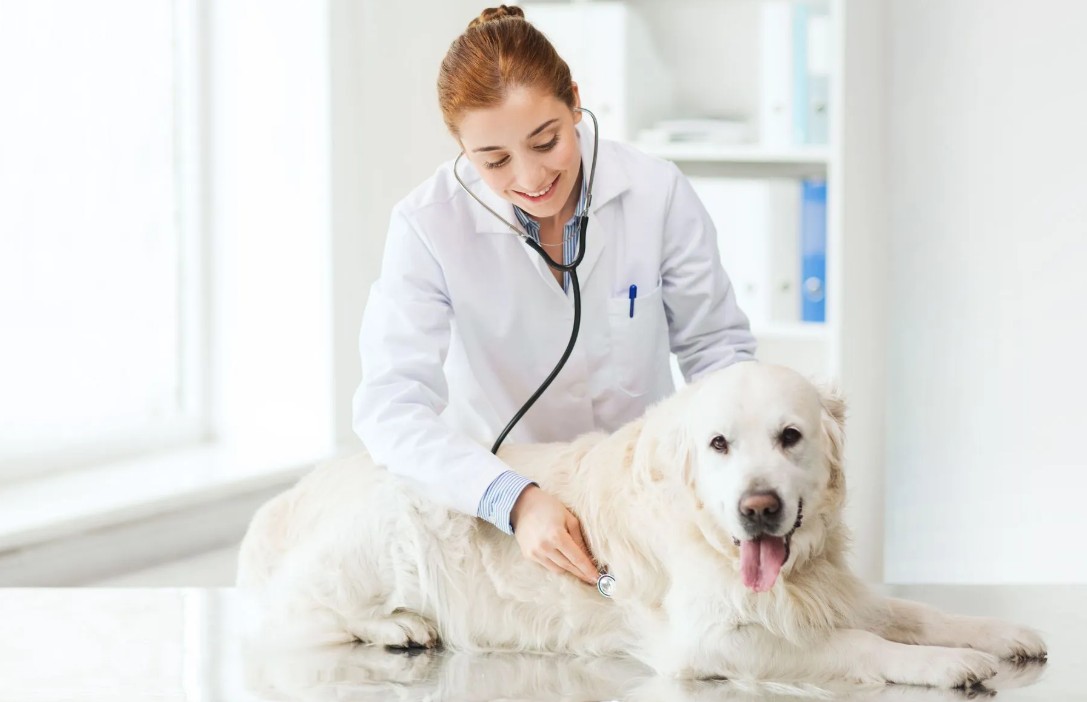
When your pet cannot stand, breathe, or stop bleeding, you do not have time to guess. You look for a place that can act fast, explain clearly, and fight for your animal. That is why you turn to a veterinary clinic for critical care. You want a team that sees shock, seizures, and trauma every day. You want tools that can read a heartbeat, check blood, and guide treatment in minutes. You want a plan that starts now, not tomorrow. This trust is not blind. It grows from long nights, hard news, and honest talks in exam rooms. It comes from watching a limp body lift its head after oxygen, fluids, and pain control. It comes from knowing that an animal clinic in Houston, TX, or any city, stands ready when your pet’s life hangs by a thread.
1. You get rapid care when every minute counts
In a crisis, you need speed. You also need order. Veterinary clinics build both into their daily work.
- Staff watch for breathing trouble, bleeding, and collapse.
- They sort patients by how sick they are so the most fragile move first.
- They give oxygen, fluids, and pain control within minutes.
The American Veterinary Medical Association explains that quick action in trauma and shock can change survival odds. This kind of planning calms chaos. It gives your pet a fair fight when the clock feels cruel.
2. You benefit from trained teams that see crisis often
Trust grows when you see skill under pressure. Critical care teams train for the worst days so you do not have to face them alone.
In many clinics you find:
- Veterinarians with extra training in emergency and critical care
- Licensed technicians who monitor machines and watch tiny changes
- Support staff who hold, comfort, and guide you through choices
They repeat the same lifesaving steps over and over. They learn from each case. They share what works. This steady practice means they know how to treat heatstroke, heart failure, seizures, and poisonings without delay. You see calm hands and clear orders when your own hands shake.
3. You gain access to tools you cannot keep at home
No home can match the tools inside a veterinary clinic. These tools do not replace caring touch. They support it.
Common tools in critical care include:
- Blood pressure monitors
- ECG machines that track heart rhythm
- X ray and ultrasound for inside views
- In house labs for quick blood and urine tests
- Oxygen cages and IV pumps
The Merck Veterinary Manual shows how these tools help find hidden problems and guide treatment. They turn guesses into clear steps. They also let the team adjust care in real time. That means fewer delays and fewer surprises.
4. You receive honest updates and clear choices
Critical care brings fear. It also brings hard choices. You need the truth in plain words. Veterinary clinics know this. They do not just treat the animal. They also guide the family.
You can expect three things.
- Clear talk about what is happening and what it means
- Simple plans with best, middle, and worst outcomes
- Cost ranges before you agree to care
This honesty hurts sometimes. It also protects you. It helps you weigh hope, pain, and money without shame. It lets you choose the care that matches your values and your limits. You are not pushed. You are informed.
5. You see proof in outcomes and follow up
Trust is more than good talk. It comes from what you see over time. Many pet owners can name at least one night when a clinic pulled their animal back from the edge. These stories matter. They are not luck. They are the result of constant work.
After the crisis ends, the same clinic often guides you through recovery. You may come back for:
- Rechecks to watch healing
- Lab tests to track organs after shock or poison
- Simple home care steps you can manage without fear
This follow up keeps small setbacks from turning into new emergencies. It also lets the team adjust medicine or food plans so your pet stays stable.
How veterinary clinics compare with other emergency options
During panic, it helps to see how your choices line up. The table below gives a simple comparison.
| Option | Speed of care | Access to tests | Ongoing support |
|---|---|---|---|
| Full service veterinary clinic | Fast for walk in and urgent cases | Wide range of lab tests and imaging | Strong follow up and long term plans |
| Emergency only clinic | Very fast for life threatening cases | Strong for critical tests and monitoring | Short term focus then referral back to your vet |
| Telehealth or phone advice | Quick advice but no hands on care | No testing or imaging | Guidance only until you reach a clinic |
| Home care without vet input | Slow and often unsafe in crisis | No testing | No medical support |
This comparison shows why most pet owners choose a clinic for true emergencies. Only a clinic can combine speed, testing, and follow up in one place.
How you can prepare before an emergency hits
You cannot prevent every crisis. You can still prepare so you act faster and feel less lost.
- Save your regular clinic and nearest emergency clinic numbers in your phone.
- Keep copies of vaccine and medicine records in one folder.
- Ask your vet what signs mean you should come in right away.
Simple steps like these give you control when everything else feels out of control. They also help the clinic move faster because they have the facts they need.
Why your trust is earned, not given
Veterinary clinics earn your trust one hard case at a time. They do it through quick action, trained teams, strong tools, honest talk, and steady follow up. When your pet faces its worst day, you deserve that level of care. You also deserve to feel heard. A good clinic gives you both. That is why, when every second hurts, you reach for that number and walk through those doors without pause.


About the Author