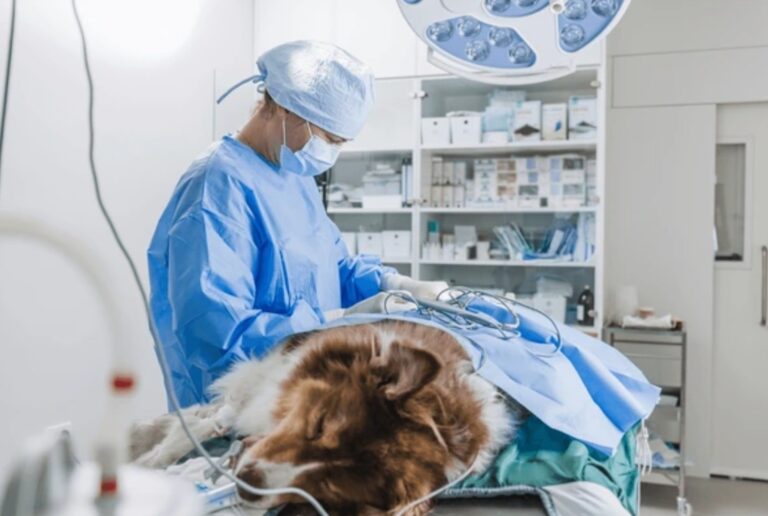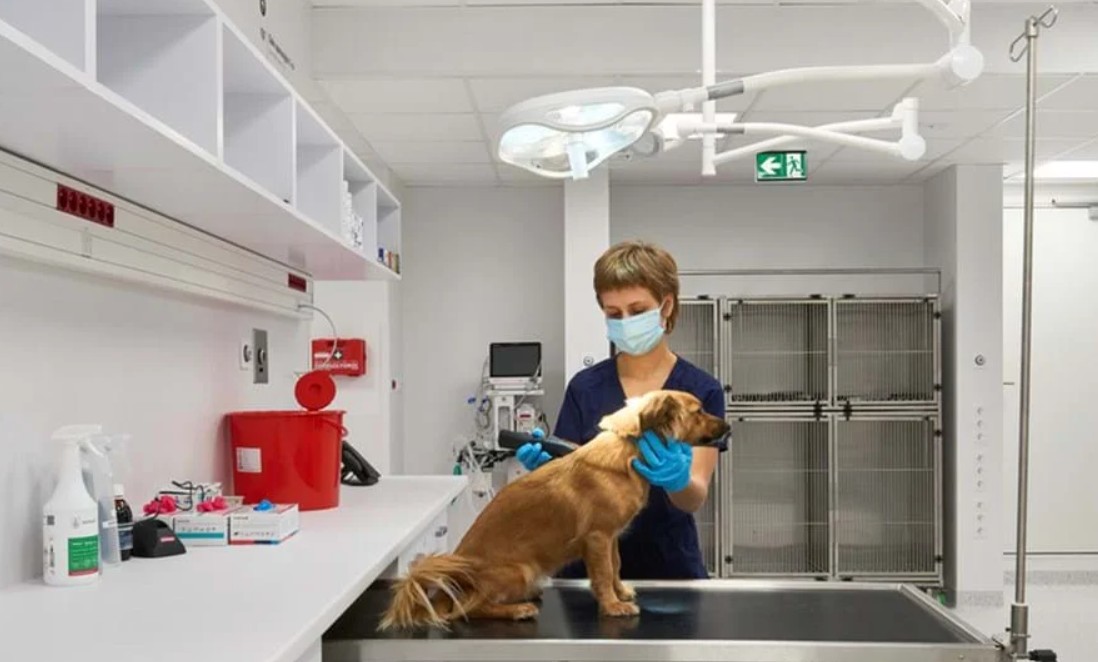
Aging pets need steady help. Their needs shift, their energy drops, and small changes can signal deep pain. You may feel unsure and guilty, wondering if you are missing signs. A trusted Yorba Linda veterinarian can guide you through each stage. This support is not only for your pet. It is also for you. You deserve clear answers, simple steps, and honest talk about what comes next. This blog explains four ways veterinary clinics stand beside you and your older pet. You will see how regular checkups, pain control, home care tips, and end of life planning all work together. Each piece helps you protect comfort, guard dignity, and ease fear. With the right clinic support, you do not face aging alone. Instead, you gain a steady partner who helps you make hard choices with calm, courage, and love.
1. Regular checkups that spot problems early
Age changes your pet quietly. You may notice more sleep or stiff steps. You may not see kidney strain, heart changes, or slow loss of sight and hearing. A clinic sets up steady checkups that match your pet’s age and risk.
During senior visits, the care team often:
- Checks weight, body shape, teeth, eyes, and joints
- Listens to heart and lungs
- Runs blood and urine tests to watch organs
The American Veterinary Medical Association suggests more frequent exams for older pets. You gain time. When a problem shows up in bloodwork, you can change diet, add medicine, or plan imaging before a crisis hits. Early action means less suffering and fewer emergency visits.
You also gain space to talk. You can ask blunt questions about how long your pet may live, which signs mean trouble, and what costs to expect. The team can help you set a simple plan for the next six to twelve months.
2. Pain control that protects daily comfort
Many older pets live with pain. Arthritis, past injuries, dental disease, and cancer can all hurt. Animals hide pain. They move slower, avoid stairs, or stop jumping on the couch. You might think this is normal aging. Often it is not.
Your clinic can use clear pain scales and exams to judge how your pet feels. Then the team can build a plan that may include:
- Medicine for joint pain or nerve pain
- Special diets or weight control to reduce strain
- Simple movement plans such as short, frequent walks
- Home changes such as ramps, rugs, or raised bowls
Each step has one goal. Your pet should move, rest, eat, and interact without constant pain. You should not guess. You should see the change in how your pet walks, sleeps, and greets you.
The clinic also watches for side effects. Liver and kidney tests help keep long term medicine safe. If something looks off, the team can change the plan.
3. Home care guidance that fits your daily life
Most care happens in your home. You give food, water, medicine, and comfort. You watch for changes. You live with the weight of each choice. A strong clinic partnership makes this load lighter.
During visits, the team can walk you through three core questions.
- What should I do every day at home
- What signs mean I should call the clinic
- What steps help in an emergency
You might learn how to:
- Give pills or liquids without stress
- Clean ears, eyes, or small wounds
- Support your pet when using stairs
- Track appetite, water use, and bathroom habits
The clinic can also teach you about changes linked to age. For example, some older dogs lose night vision and feel fear in the dark. A simple night light and a fixed bedtime routine can calm them. Older cats may need more litter boxes and lower sides for easy entry.
The National Institute on Aging highlights how pet care affects older adults. You may also age. You may have less strength or money. A good plan respects both you and your pet. The clinic can help you pick tasks you can handle and suggest help from family, neighbors, or local groups.
4. Honest support for end of life choices
Every aging pet reaches a point where treatments no longer help. This stage hurts. You may feel guilt, fear, anger, or deep sadness. You should not face this alone. A clinic can guide you through end of life talks with steady care.
First, the team can help you use simple quality of life tools. These tools look at:
- Pain control
- Hunger and thirst
- Bathroom habits
- Joy such as play, purring, or tail wags
You rate each part. Over time, you see patterns. When pain grows and joy fades, you can see it in front of you. This reduces doubt. It also gives family members a shared picture.
Next, the clinic explains hospice and euthanasia options. You learn what each step looks like. You hear how your pet will feel during each part. You can ask hard questions about timing and cost. You can set limits that match your values and resources.
After loss, many clinics offer grief resources. Some share support groups or counselors. Some send written guides that help you talk with children. These steps do not erase pain. They show you are not alone and that your love for your pet still matters.
Sample senior pet care schedule
Use this simple table as a starting point. Your own plan should come from your veterinary team.
| Pet age stage | Clinic visit frequency | Common tests | Home focus |
|---|---|---|---|
| Middle age | Once per year | Basic exam, weight check, vaccines | Healthy weight, steady exercise |
| Senior | Every 6 months | Exam, blood and urine tests, blood pressure | Watch mobility, appetite, bathroom changes |
| End of life | Every 1 to 3 months | Focused tests based on disease | Comfort, pain control, quality of life tracking |
Taking the next step
Your aging pet counts on you. You do not need to know every answer. You only need to reach out and ask for help. A steady veterinary clinic can give you early checks, pain control, home care guidance, and end of life support. Each part protects your pet from silent suffering. Each part also protects you from regret.
Start by booking a senior exam. Bring your questions and your worries. Speak openly about money, time, and fear. Your care team can walk beside you so you and your pet face aging with clarity, respect, and peace.
Also Read: Why Animal Hospitals Are Critical To Senior Pet Quality Of Life


About the Author