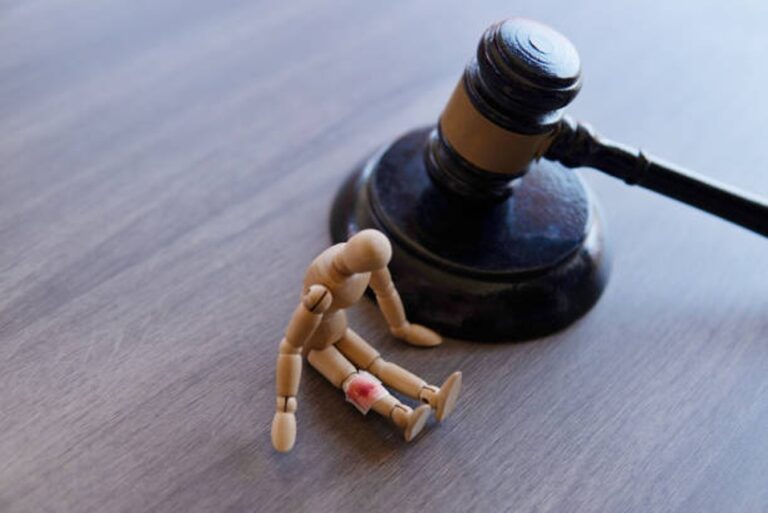
A personal injury case may move toward trial when negotiations do not produce an acceptable resolution. The trial stage requires organized preparation, clear legal arguments, and a detailed presentation of the facts surrounding the injury. A personal injury lawyer manages courtroom preparation, and the process requires careful legal strategies. Here is more information on what happens if your personal injury case goes to trial:
Presenting Your Case in Court
Settlement negotiations sometimes end without a resolution, and litigation provides another path for resolving the dispute. An injury lawyer prepares legal arguments, organizes supporting evidence, and presents the claim during court proceedings. The court reviews the available facts before determining liability and damages.
Formal litigation follows established legal procedures throughout the case. Because the evidence must support the injured person’s position, court presentations explain how the facts relate to the claim. The attorney connects the incident to the resulting injuries, and the factual record supports that connection.
Personal injuries often affect health, employment, family relationships, and future circumstances. When these consequences extend beyond the initial injury, they help demonstrate the broader impact of the claim. A personal injury lawyer explains the evidence and addresses the legal arguments raised during litigation.
Preparing Trial Evidence
Documented evidence supports the issues presented during a personal injury trial. Because the facts of an incident need to be established through reliable records, an injury lawyer investigates the circumstances and gathers information relevant to the claim. Police reports, photographs, witness statements, and scene documentation establish the sequence of events, and these records help explain how the injury occurred.
Serious cases, including traumatic brain injuries and other catastrophic injuries, require detailed medical documentation throughout litigation. When the injuries have lasting effects, medical records provide information about their severity and treatment. Each investigation examines how the injury occurred, and the available evidence helps identify who contributed to the event. The evidence collected reflects the type of accident involved, including:
- Car accidents
- Truck accidents
- Motorcycle accidents
- Bicycle accidents
- Pedestrian accidents
- Premises liability incidents
- Product liability cases
Seeking Fair Compensation
Compensation reflects the losses established by the evidence presented during the trial. An injury lawyer identifies the damages available under the applicable law and presents documentation supporting each requested amount. Courts review the evidence before awarding compensation, and each category of damages must relate directly to the injury and its documented effects. Medical expenses cover treatment received for the injury, including documented charges for medical care. Lost income covers wages the person missed because of the injury. When an injury prevents someone from working, employment records show the dates of missed work and the corresponding reduction in earnings. These records also provide documentation for calculating wage-related losses.
Also Read: Choosing the Right Personal Injury Firm in Columbus: What to Look For
Hire a Personal Injury Lawyer
A personal injury trial requires careful preparation, organized evidence, and clear legal arguments. A personal injury lawyer gathers relevant evidence, consults qualified experts when needed, and presents the claim with supporting documentation for the court to review. Discuss your case with a personal injury lawyer to understand your legal options after an injury.


About the Author