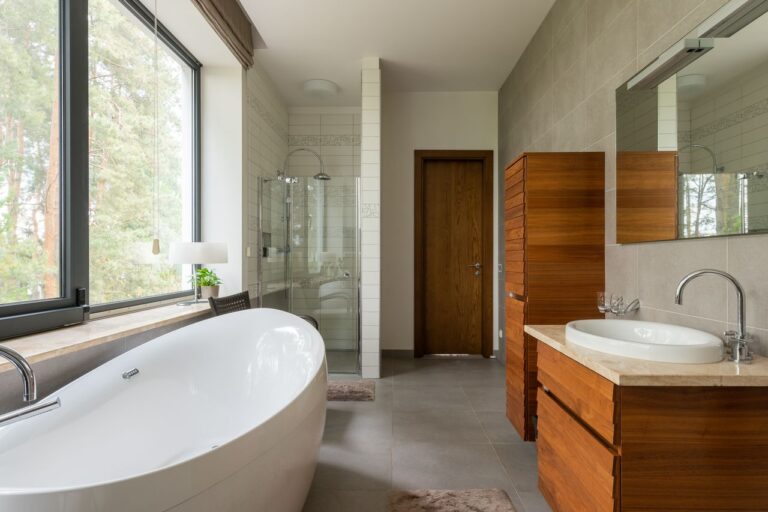
There’s something special about living in Newport. The relaxed atmosphere, coastal surroundings, and mix of older houses and modern homes give the area a character that’s difficult to recreate elsewhere. But even a beautiful home can start feeling outdated when its layout no longer works for everyday life.
Renovating offers a chance to improve comfort, update tired interiors, and make better use of available space. The challenge? Making those changes without stripping away the features that made you love the property in the first place.
A thoughtful renovation should respect what already works while fixing what doesn’t. Here’s how Newport homeowners can approach that balance.
Start by Understanding What Makes Your Home Special
Before choosing tiles or browsing kitchen designs, spend some time looking at your home’s existing character.
Maybe it’s the generous windows that capture afternoon sunlight. Perhaps it’s the timber flooring, an older architectural detail, or the way the living room connects to the garden.
These features can guide your renovation decisions.
For example, an older coastal home might benefit from a modern kitchen while retaining its original timber accents. A contemporary house could feel warmer with natural finishes rather than another collection of glossy surfaces.
Ask yourself a simple question: Which parts of this house would I genuinely miss if they disappeared?
Your answer can help separate worthwhile improvements from changes that might feel unnecessary once construction is finished.
Design Around Newport’s Coastal Conditions
Living near the coast comes with advantages, but the environment also places extra demands on building materials.
Salt carried through the air can contribute to corrosion, particularly on exposed metal fittings. Humidity and moisture can also affect certain finishes over time.
That doesn’t mean you need to sacrifice appearance for durability. You simply need to choose materials with your surroundings in mind.
Choose Materials That Can Handle Moisture
Bathrooms, kitchens, balconies, and outdoor entertaining spaces deserve particular attention.
Consider moisture-resistant cabinetry, suitable waterproofing systems, and corrosion-resistant fittings. Where appropriate, marine-grade stainless steel may be a practical option for exposed hardware.
For flooring, quality porcelain tiles can work well in areas where water and sand frequently enter the house.
Timber remains a popular choice for coastal interiors, but selecting the right species, protective finish, and maintenance routine makes a difference.
Think About Ventilation Early
Good airflow helps keep indoor spaces comfortable and reduces the likelihood of persistent moisture problems.
When planning renovations, consider window placement, cross-ventilation, bathroom exhaust systems, and kitchen extraction.
A beautiful bathroom won’t feel particularly luxurious if the mirrors stay fogged up and moisture lingers long after every shower.
Make Your Kitchen Work for Everyday Living
Kitchens often become the natural gathering point in family homes. Unfortunately, many older layouts weren’t designed for the way people use these spaces now.
You might have plenty of cupboards but nowhere practical to prepare food. Or perhaps the kitchen feels disconnected from the dining area, making conversations awkward whenever someone is cooking.
Rather than immediately removing walls, examine how the existing layout functions.
Would wider walkways improve movement? Could relocating the refrigerator create more preparation space? Would deeper drawers make pots and pans easier to access?
Small adjustments can sometimes solve surprisingly frustrating problems.
For homeowners considering more extensive changes, professional guidance on home renovations Newport can help identify suitable approaches to kitchen layouts, interior improvements, and broader property upgrades.
Keep practicality at the centre of the design. An oversized island might look impressive in photographs, but it becomes annoying when everyone has to squeeze around it.
Give Bathrooms a Refresh Without Overcomplicating Them
Bathrooms are another area where thoughtful improvements can dramatically change how a home feels.
Older bathrooms may have poor lighting, limited storage, worn finishes, or layouts that waste valuable floor space.
Start with the problems you experience regularly.
If toiletries constantly clutter the vanity, built-in drawers may help. If the shower feels cramped, a different screen configuration or layout could improve movement.
For a relaxed coastal appearance, consider soft neutral colours, textured tiles, and natural-looking finishes.
You don’t need to turn every bathroom into a luxury resort. A comfortable, easy-to-clean space with good lighting and reliable fixtures is often a better investment.
Remember that waterproofing and ventilation matter far more than fashionable tapware. Getting the hidden details right helps protect the finished bathroom from expensive moisture-related damage.
Improve the Connection Between Indoor and Outdoor Spaces
Newport’s coastal setting makes outdoor living particularly appealing.
A renovation presents an opportunity to reconsider how your interior connects with a deck, courtyard, garden, or entertaining area.
Large sliding doors, wider openings, and consistent flooring tones can help create a more connected appearance.
However, don’t assume that bigger openings are always better.
Consider privacy, direct sunlight, wind exposure, drainage, and the practical limitations of the existing structure.
A poorly positioned opening might introduce uncomfortable afternoon heat or expose an otherwise sheltered living space to strong winds.
The best design responds to the property’s actual conditions rather than copying a photograph from a renovation magazine.
Check What’s Happening Behind the Walls
Cosmetic improvements are exciting. Hidden building problems are considerably less exciting, but ignoring them can cause serious trouble later.
Before committing to finishes, consider whether your property needs repairs to plumbing, electrical systems, roofing, drainage, or structural components.
Signs such as persistent damp patches, cracking, deteriorating timber, or recurring leaks deserve investigation.
A renovation can be the ideal time to address these problems because affected areas may already be accessible.
For older homes, it’s also sensible to assess whether proposed changes could involve hazardous materials, including asbestos.
Qualified professionals can identify potential issues and recommend appropriate work before construction proceeds.
Nobody enjoys spending part of a renovation budget on something that won’t be visible afterward. Still, sound building work provides the foundation for everything you can see.
Set a Budget That Allows for Surprises
Renovation costs can change when previously hidden conditions become visible.
Opening an old wall might reveal damaged framing. Removing tiles could expose inadequate waterproofing. Existing electrical wiring may need upgrading to accommodate a redesigned kitchen.
A realistic budget should account for these possibilities.
Many homeowners choose to keep a contingency allowance of approximately 10 to 20 percent, although the appropriate amount depends on the property’s condition and project scope.
Prioritise essential repairs and functional improvements before committing to decorative extras.
It’s also useful to distinguish between features you need immediately and improvements that could happen later.
For example, replacing damaged plumbing should take priority over installing expensive decorative lighting.
Before construction starts, request a clearly defined scope of work and understand how variations will be priced and approved.
Respect Local Planning and Building Requirements
Renovating a Newport property may involve planning considerations, particularly when changing a building’s footprint, external appearance, or structural elements.
Depending on the proposed work and site conditions, approvals may be required under applicable New South Wales planning and building rules.
Properties with heritage considerations, environmental constraints, or other planning restrictions may require additional assessment.
Speak with qualified building professionals and check relevant requirements with the Northern Beaches Council before making major commitments.
Confirming these details early can help prevent delays, redesigns, and unexpected expenses.
Also Read: Give Your Home’s Most Important Room a Personal Makeover
Create a Home That Still Feels Like Yours
The most satisfying renovations aren’t necessarily the biggest or most expensive.
They’re the ones that make everyday life easier while preserving the qualities that make a property feel personal.
For a Newport home, that might mean improving natural light, making better use of an existing floor plan, choosing finishes suited to coastal conditions, or creating a more comfortable connection to outdoor spaces.
Focus on practical needs, protect the home’s distinctive features, and address underlying building issues before concentrating on appearance.
With careful planning and sensible design decisions, you can create a home that feels refreshed, functions better, and still belongs naturally in its coastal surroundings.


About the Author