You might be putting off braces in South Nashville or another orthodontic visit for one simple reason. You do not want pain, pressure, or that trapped feeling in the chair. That worry is common, and it does not make you difficult or overly sensitive. A lot of people hear “orthodontist” and immediately think of sore teeth, long appointments, and a hard recovery after adjustments.
The good news is that patient comfort is not an afterthought in modern orthodontic care. It is built into how treatment is planned, explained, and delivered. The best offices know that when you feel calm, informed, and physically comfortable, treatment goes more smoothly and you are more likely to stick with it. In plain terms, 4 Ways Orthodontists Ensure Patient Comfort During Care come down to gentle treatment methods, clear communication, pain management that makes sense, and small practical changes that reduce stress before it builds.
Comfort starts with gentle orthodontic treatment planning
A lot of discomfort begins before any braces are placed. It starts when treatment feels rushed, confusing, or too aggressive for what you actually need. A careful orthodontist looks at your bite, crowding, jaw position, gum health, and age before recommending a plan. That matters because the right plan often means lighter forces, fewer surprises, and a steadier adjustment period.
If you have ever worried that braces mean constant pain, the reality is usually more manageable. Teeth move because of controlled pressure, not brute force. With a measured approach, soreness tends to come in waves after adjustments and then ease. According to the American Dental Association’s braces overview, some tenderness is normal, especially early on, but it is usually temporary and can often be handled with simple home care.
This is one reason many people notice a difference between rough care and comfortable orthodontic care. The goal is not to pretend treatment feels like nothing. The goal is to reduce unnecessary pain and avoid avoidable setbacks.
Clear communication lowers anxiety before it turns into physical tension
When you do not know what is about to happen, your body reacts. Your jaw tightens, your shoulders rise, and every normal sensation feels bigger. Orthodontists who prioritize comfort explain what they are doing before they do it. They tell you how long an appointment should take, what pressure might feel like, and what is normal afterward.
This is especially helpful for children, teens, and adults with dental anxiety. Behavior guidance techniques can make a real difference, not just in pediatric care but across all ages. The American Academy of Pediatric Dentistry guidance on behavior support highlights simple strategies like tell-show-do, positive reinforcement, and building trust through predictable steps. Those same ideas help adults too. You are less likely to panic when the process is explained in plain language, and your concerns are taken seriously.
If you have ever left an appointment thinking, “No one told me that would happen,” you already know how fast uncertainty can make care feel harder than it needed to be.
Pain relief during orthodontic care relies on practical options, not guesswork
People often assume pain control means strong medication. That is usually not the case. Most orthodontic discomfort is handled with cold foods, orthodontic wax, softer meals for a day or two, and over-the-counter medication when appropriate. A good orthodontist gives you specific instructions instead of vague reassurance.
That guidance matters because pain relief should be safe as well as effective. The National Institute of Dental and Craniofacial Research explains opioid risks in dental care and why non opioid options are often enough for many dental and orthodontic situations. For routine soreness after braces adjustments, stronger medication is rarely needed. Knowing that can ease a lot of fear.
Orthodontist patient comfort is often about setting expectations correctly. Mild soreness is common. Sharp pain, broken hardware, or sores that do not improve deserve a call. That difference helps you respond early instead of waiting and hoping a problem goes away on its own.
Small in-office comfort measures make long treatment feel manageable
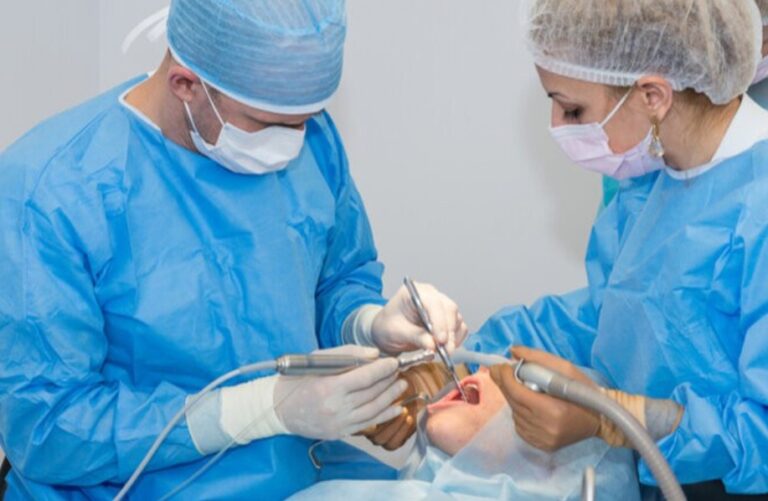
Some of the most helpful comfort steps look minor from the outside. They are not minor when you are the one in the chair. Lip balm, cheek retractors placed gently, breaks during longer visits, careful wire trimming, smooth bracket placement, and wax for rubbing spots all reduce irritation. Offices that check your positioning, ask whether you need a pause, and pay attention to sensory stress tend to create a much better experience.
This matters over time because orthodontic care is not one appointment. It is a process. If every visit feels tense, you start dreading treatment. If visits feel predictable and manageable, the whole experience changes. That is true whether you are getting traditional braces, aligners, retainers, or other bite correction from an orthodontist.
Common comfort measures compared
| Comfort Measure | What It Helps With | When It Is Most Useful |
|---|---|---|
| Light, controlled force | Reduces excess soreness and avoids abrupt tooth movement | Initial placement and adjustment visits |
| Clear explanation before treatment | Lowers anxiety and muscle tension | Before every procedure, especially first visits |
| Orthodontic wax | Protects cheeks and lips from bracket or wire irritation | First week with braces or after wire changes |
| Cold foods and soft diet | Eases tenderness after adjustments | First 24 to 48 hours after tightening |
| Over-the-counter pain relief when appropriate | Helps manage short term soreness | After appointments if recommended |
| Breaks during appointments | Helps patients who feel overwhelmed or have jaw fatigue | Longer visits or anxious patients |
Three steps you can take before your next orthodontic appointment
Ask for a comfort plan. Tell the office if you are anxious, have a strong gag reflex, sensory issues, or a bad dental history. You do not need to minimize it. The more they know, the better they can adjust the visit.
Prepare for the first two days after adjustments. Have soft foods ready, keep orthodontic wax nearby, and follow the aftercare instructions you are given. Small preparation prevents a rough evening from feeling worse than it is.
Speak up early when something feels off. A poking wire, broken bracket, or sore spot that keeps getting worse should not wait until the next scheduled visit. Early fixes are usually simple. Delays tend to create more discomfort, not less.
Comfort-focused orthodontic care makes treatment easier to stay with
You do not need to choose between a healthier bite and a tolerable experience. Good orthodontic care respects both. When treatment is planned carefully, explained clearly, and supported with sensible pain relief and practical comfort measures, the process feels far less intimidating.
If you have been delaying care because you are worried about pain or stress, take the next step and ask how comfort is handled during treatment. That conversation alone can tell you a lot about the kind of care you will receive.


About the Author