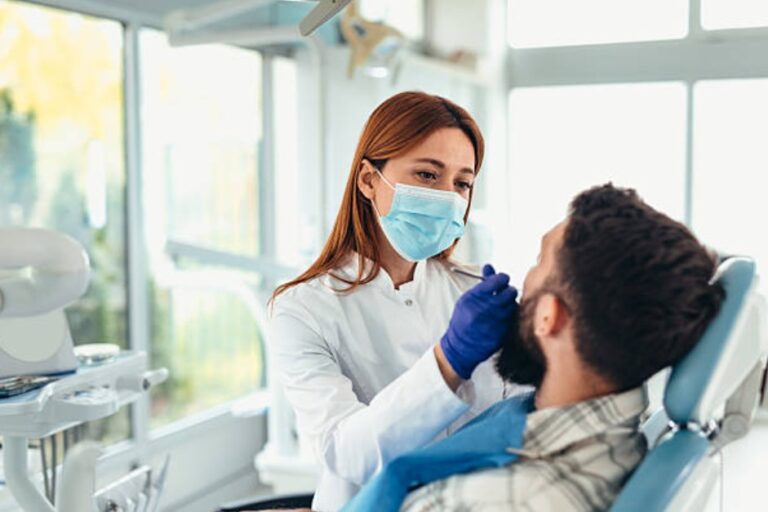
A healthy smile does not start in the treatment chair. It starts with simple steps you take every day to stop problems before they begin. Preventive dentistry focuses on cleaning, protecting, and watching your teeth and gums so decay, infection, and tooth loss stay away. You save money, avoid pain, and keep your natural teeth longer. A Wall Township dentist can guide you through these steps and explain what your mouth needs at each stage of life. Regular checkups, cleanings, and X rays find silent problems early, when treatment is easier and less stressful. Daily brushing, flossing, and smart food choices build on that care at home. Together they shape a smile that looks good and feels strong. This approach gives you control, reduces fear, and keeps small issues from turning into emergencies.
Why prevention matters for every family
Tooth decay is common. Gum disease is common. Tooth loss is common. None of this is random. These problems grow slowly over time when plaque and bacteria stay on teeth and gums. You can interrupt this process early. That is the purpose of preventive dentistry.
Prevention helps you in three clear ways. You keep your natural teeth. You feel less pain. You spend less time and money on urgent care. For children, it shapes habits that last. For adults, it protects work, sleep, and daily life. For older adults, it helps you eat, speak, and stay social.
Core parts of preventive dentistry
Preventive care has three main parts. Each part supports the others.
- Daily home care
- Regular dental visits
- Smart choices about food and drink
Daily home care you can control
Your bathroom sink is your first line of defense. Simple routines protect teeth and gums when you use them every day.
- Brush twice a day with fluoride toothpaste
- Floss once a day to clean between teeth
- Use a soft bristle toothbrush and gentle pressure
Fluoride pulls minerals back into weak spots in enamel. That helps stop small soft spots from turning into cavities. The Centers for Disease Control and Prevention explains how fluoride protects teeth for both children and adults.
Regular dental visits that catch problems early
You cannot see every part of your own mouth. You also cannot feel many early problems. That is why regular checkups matter.
During a visit, the dentist and hygienist usually
- Clean hardened plaque from teeth
- Check gums for bleeding and swelling
- Look for early signs of decay or cracks
- Review your brushing and flossing habits
- Order X rays when needed
Early care is usually simple. A small cavity needs a small filling. Early gum disease can be cleared with better cleaning and a deeper cleaning visit. When you wait, problems spread. Then you may face root canals, extractions, or more complex care.
Also Read: 4 Common Restorative Dentistry Services That Maintain Healthy Smiles
Food and drink choices that protect teeth
What you eat touches your teeth all day. Sugar and acid feed bacteria. They also wear down enamel. You do not need a strict diet. You do need steady, clear choices.
- Limit sugary drinks like soda and sports drinks
- Drink water between meals
- Choose whole fruits instead of candy
- Eat cheese, nuts, and yogurt for tooth-friendly snacks
The National Institute of Dental and Craniofacial Research shares plain language tips on diet and tooth decay.
Preventive care across life stages
Your mouth changes over time. Preventive care shifts as you grow. The goal stays the same. You keep teeth strong and gums steady.
Preventive dentistry needs by life stage
| Life stage | Main needs | Key preventive steps |
|---|---|---|
| Young children | Protect new teeth. Build habits. | Fluoride, sealants, parent-guided brushing, regular checkups. |
| Teens | Control sugar. Guard against sports injuries. | Sealants, mouthguards, honest talks about soda and snacks. |
| Adults | Prevent gum disease. Manage stress and grinding. | Routine cleanings, night guards when needed, tobacco-free life. |
| Older adults | Protect roots. Manage dry mouth. Keep chewing strong. | Fluoride rinses, moisture support, regular checks of dentures or bridges. |
How prevention saves time, pain, and money
Preventive visits feel routine. Yet they often prevent severe pain. They also reduce lost work hours and school days. A short cleaning visit can stop a cavity that would later need more complex work and time off.
Three truths stand out.
- Small problems cost less than big ones
- Early care hurts less than late care
- Routine visits are shorter than emergency visits
When you keep a set schedule for visits, you also feel more relaxed. The setting becomes familiar. Staff know your history and your fears. That trust makes each visit easier to face.
Building strong habits as a family
Children watch what adults do. When you treat mouth care as a daily basic task, they learn that pattern. You can make it simple and steady.
- Brush and floss at the same time every day
- Use a chart or timer for young children
- Keep toothbrushes and floss easy to reach
You can also talk with your dentist about fluoride varnish, sealants, and mouthguards. These small steps protect teeth during common high-risk times such as early grade school and contact sports.
Taking the next step toward a healthy smile
Preventive dentistry is not complex. It is a set of clear, repeatable actions. You clean. You check. You choose food and drink with care. You work with your dentist as a partner, not just in emergencies.
You can start today. Brush and floss with care tonight. Then schedule your next checkup. With steady steps, you protect your mouth, guard your comfort, and support a smile that stays strong through every stage of life.


About the Author