Missing teeth affects more than how you look. They change how you eat, speak, and move through each day. You might hide your smile in photos. You might mumble certain words. You might worry that dentures will slip at the wrong moment. Implant dentistry offers a steady option. It replaces missing teeth with support that feels secure. You gain teeth that do not move when you laugh or talk. You clean them like natural teeth. You chew without pain. You speak without fear. This blog explains how implants protect your jaw, support your face, and restore clear speech. It also shows how a Great Falls, MT dentist can help you decide if implants match your needs, health, and budget. You deserve a smile and voice that match who you are.
What Dental Implants Are And How They Work
A dental implant is a small post that sits in your jaw. It holds a crown, bridge, or denture. The post acts like a tooth root. Bone grows around it and locks it in place.
Each implant has three parts.
- The implant post in the jaw
- The connector that joins the post and the tooth
- The crown or other tooth replacement that you see when you smile
The process takes time. The steps are simple.
- Planning withX-rayss and a mouth exam
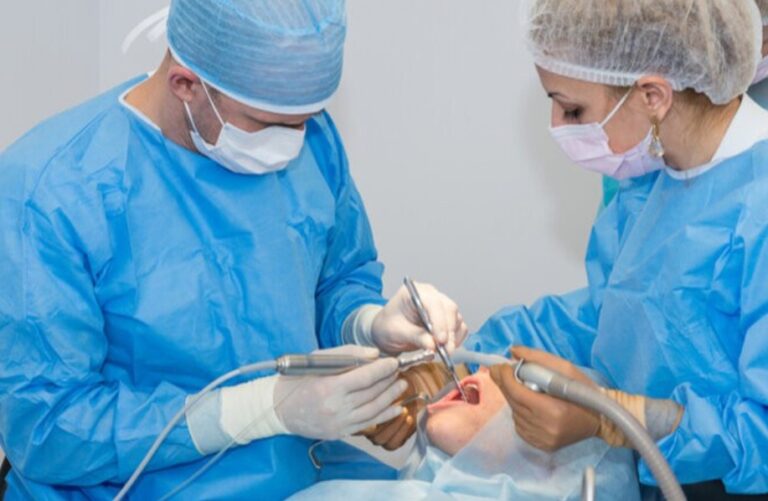
- Placing the implant post in the jaw
- Letting bone heal around the post
- Attaching the final tooth or teeth
The result feels stable. You can bite, chew, and speak without loose parts.
How Implants Support Confident Smiling
Teeth do more than cut food. They hold up your lips and cheeks. When you lose teeth, your face can sink in. You may look older. You may feel watched when you smile.
Implants help you regain that support.
- They fill spaces so you do not feel the urge to hide your mouth
- They keep lips and cheeks from collapsing inward
- They help keep your bite even, so your jaw joints strain less
The crown on top of an implant can match your other teeth. Color. Shape. Size. That match helps your smile look natural in person and in photos.
The National Institute of Dental and Craniofacial Research explains how missing teeth affect day-to-day life and self-image.
How Implants Support Clear Speaking
Teeth guide your tongue and lips when you form words. Gaps change the air flow and tongue position. That can lead to slurred words or whistling sounds.
Removable dentures can move when you speak. That movement makes the sound less clear. It can also cause clicks or slips that draw attention.
Implants help speech in three ways.
- They give your tongue a steady surface for sounds like t, s, and d
- They reduce extra air leaks that cause lisping
- They hold implant-supported dentures firmly so you can relax while talking
When your teeth stay in place, you can read to your child, lead a meeting, or order food without fear of a slip. Confidence grows with each normal talk.
Implants Compared With Other Tooth Replacement Options
You have choices. Each option has strengths. It helps to see them side by side.
| Feature | Dental Implants | Removable Dentures | Fixed Bridge |
|---|---|---|---|
| Stability while speaking | Very stable | Can move or slip | Stable |
| Jaw bone support | Helps limit bone loss | Does not stop bone loss | Limited bone support |
| Effect on nearby teeth | No grinding of nearby teeth | No grinding of nearby teeth | Needs nearby teeth shaped |
| Cleaning routine | Brush and floss like natural teeth | Remove and clean outside the mouth | Brush with care and use extra cleaning tools |
| Eating tougher foods | Good chewing strength | Hard for some foods | Good chewing strength |
| Long term use | Can last many years with care | Often needs refitting or remake | Can wear down or loosen |
This table gives a general view. Your mouth, health, and budget guide the best choice for you.
Health Benefits Beyond Looks And Speech
Missing teeth affect your body, not just your smile. You may chew less on one side. You may avoid firm foods like apples or nuts. That can change your diet.
Implants support your health in several ways.
- They help you chew more foods so you can choose more fruits, vegetables, and protein
- They keep nearby teeth from tipping into empty spaces
- They help your jawbone keep its shape
The Centers for Disease Control and Prevention link mouth health with heart disease and diabetes.
Who Might Be A Good Match For Implants
Implants work for many adults. You and your dentist will look at three main questions.
- Do you have enough bone in your jaw to hold the implant
- Is your gum health steady
- Are you willing to keep a steady brushing and flossing routine
Certain health conditions and some medicines affect healing. You must share your full health history with your dentist or surgeon. That honest talk protects you.
What To Expect During And After Treatment
The full process can span months. The pace protects your health.
- First visit. You talk about goals, fears, and costs. You get X-rays and sometimes 3D scans.
- Planning. Your dentist or surgeon maps where each implant should go.
- Placement. The implant post goes into the bone. You receive clear care instructions.
- Healing. Bone grows around the post. You keep your mouth clean and avoid hard biting on that spot.
- Final tooth. The crown, bridge, or denture attaches once healing is strong.
After that, you treat your implants like natural teeth. You brush. You floss. You see your dental team for regular checks and cleanings.
Protecting Your New Smile And Voice
Implants can serve you for many years if you care for them. You can follow three simple rules.
- Keep gums clean with brushing and flossing every day
- See your dentist at least twice a year or as advised
- Quit tobacco and limit sugary drinks
If you grind your teeth at night, ask about a night guard. It can protect both implants and natural teeth.
Taking Your Next Step
Living with missing teeth is tiring. You think about your mouth every time you smile or speak. You do not have to stay in that place.
A conversation with a dental professional can give you clear choices. You can ask about costs, timing, and what results you can expect. You can bring a family member so you feel supported.
Your smile and your voice are part of how you move through the world. Implants give you a way to reclaim both with steady support.


About the Author