The platform you use to invest affects more than convenience. It affects the costs you pay, the investments you can access, the tax efficiency of your portfolio, and the quality of information available when you make decisions. Understanding what distinguishes the best platforms from adequate ones changes how you evaluate the options.
1. Cost Structure
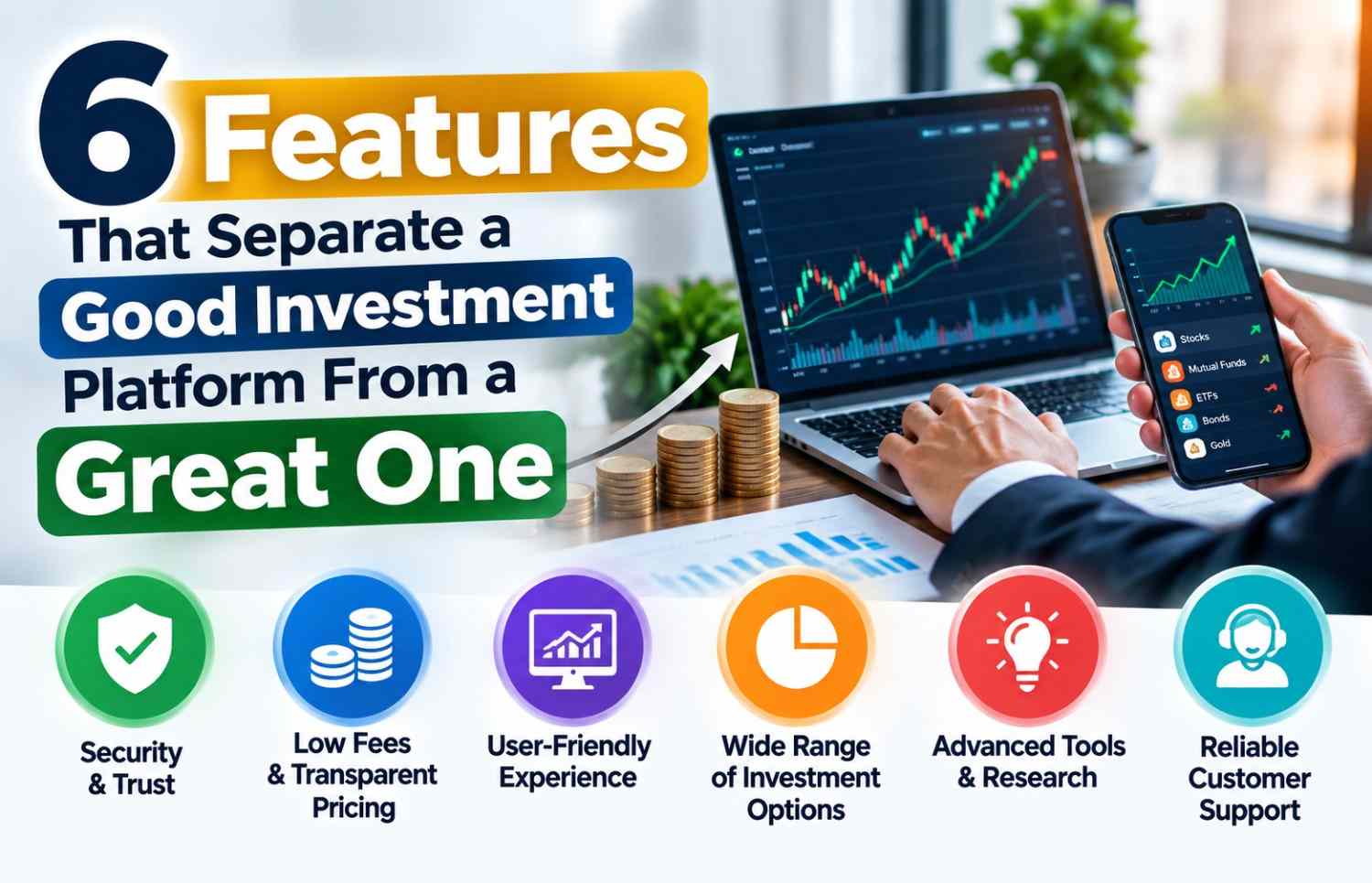
Commission-free trading has become standard, but the full cost structure of an investment platform extends beyond trading commissions to include fund expense ratios on in-house funds, margin interest rates, account transfer fees, and any advisory fees for managed accounts. The total cost picture across all the account types and investments you plan to use is the relevant comparison.
2. How Do I Invest Money Online?
SoFi’s online investment platforms page walks through the process, which involves opening an account, linking a funding source, and selecting investments from the available options. The process has become straightforward enough that most investors can open an account and make their first investment in under thirty minutes.
The more important decision than the mechanics of how to invest is what to invest in and how to structure the portfolio for your specific goals and risk tolerance. A platform that provides educational resources, goal-setting tools, and portfolio guidance alongside the transactional capability is more useful for most investors than one that provides execution without context.
3. Investment Selection
The range of investments available through the platform determines whether you can build the portfolio you actually want. A platform that offers only its own funds limits your options in ways that may not serve your interests. One that provides access to broad market index funds, individual stocks, bonds, ETFs, and alternative investments gives you the tools to build whatever portfolio structure fits your strategy.
4. Tax Tools
Tax-loss harvesting, which involves selling investments at a loss to offset gains elsewhere in the portfolio, is a valuable feature for taxable accounts that reduces the annual tax burden of investing. Automatic tax-loss harvesting, where the platform handles this process algorithmically, makes the feature accessible without requiring active management.
5. Mobile Experience
The quality of the mobile app determines how conveniently you can monitor your portfolio and execute transactions outside of a desktop environment. An app that provides full functionality, clear performance reporting, and easy execution produces a better ongoing experience than one that requires switching to a desktop for anything beyond basic monitoring.
6. Research and Educational Resources
The best investment platforms provide research tools, educational content, and planning resources alongside the transactional capability. For investors who are building their financial knowledge alongside their portfolio, access to clear explanations of investment concepts, market analysis, and portfolio construction guidance makes the platform more valuable than one that assumes you already know everything you need to know.


About the Author