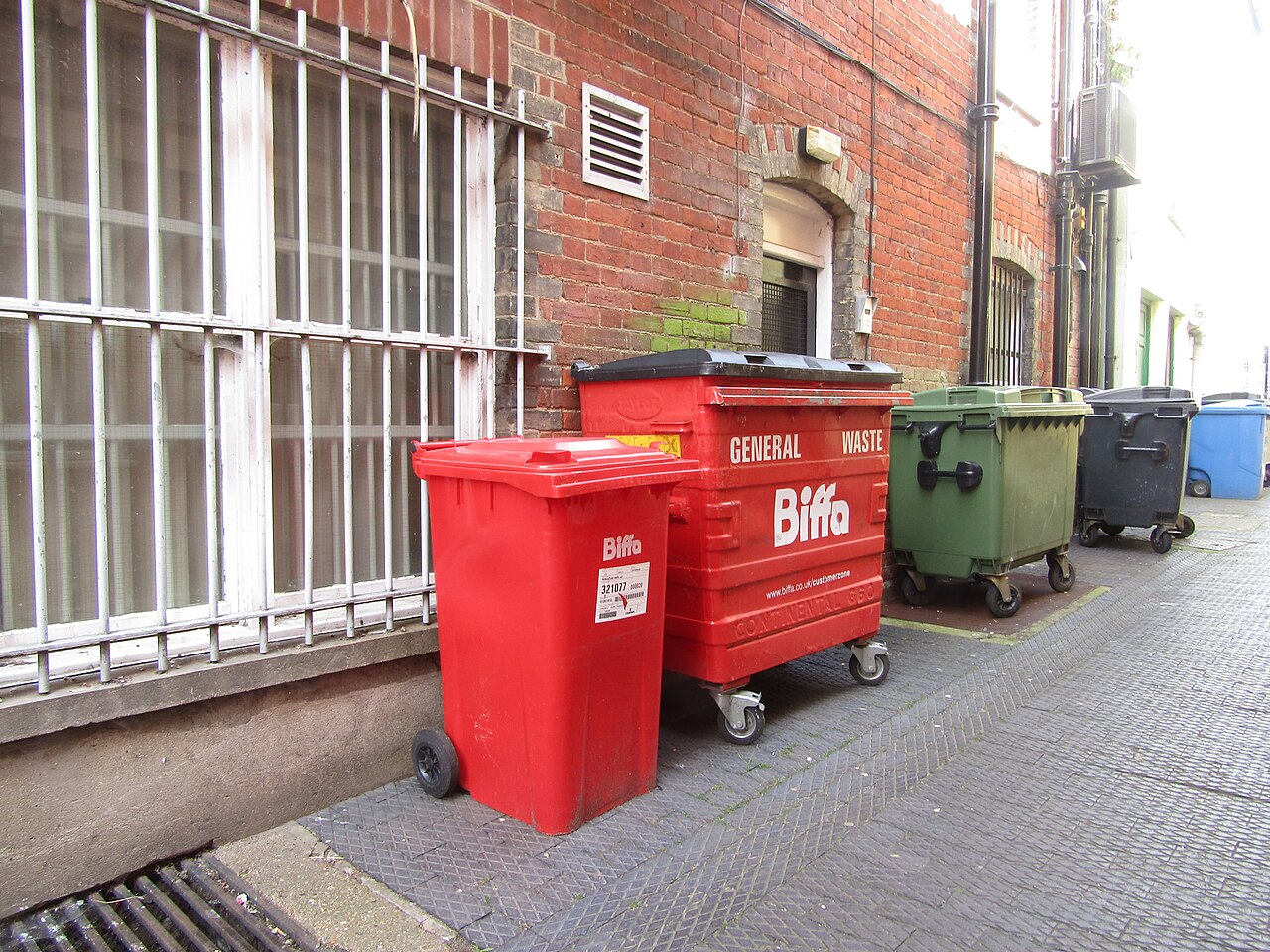
Residential projects often generate more waste than initially estimated, particularly during renovations, cleanouts, or landscaping. Variations in debris type and space constraints create logistical challenges. Dumpster rentals offer a convenient way to manage waste on-site, supporting safe and efficient waste handling. Here are a few ways to effectively utilize a residential dumpster rental:
Assess Project Needs
Homeowners should begin by estimating the volume of debris and sorting it into categories such as household items, construction materials, or yard waste. This assessment helps match container capacity to actual disposal needs. Property access is also a constraint, as driveway width and placement space can limit the maximum dumpster size allowed. In tight areas, larger containers may be impractical or unsuitable for extended use. Residential dumpster rental providers will recommend an appropriate container based on local placement conditions and the specific waste being removed.
Project duration further influences dumpster size selection. Short-term tasks, such as garage cleanouts or small landscaping jobs, typically require a smaller, easily maneuverable container. Longer projects, including multi-week renovations, often demand a larger, heavy-duty dumpster with higher capacity. This makes sure you have sufficient space and weight tolerance for ongoing debris disposal over time.
Understand Local Placement Guidelines
Certain hazardous materials, including paints, asbestos, and biomedical waste, are prohibited from roll-off dumpsters. These items must be handled by licensed carriers to comply with environmental regulations and avoid fines. Sorting recyclables, such as metals, plastics, and cardboard, before loading not only maximizes container space but also verifies adherence to disposal rules.
Local municipal codes regulate the placement of dumpsters in streets, alleys, or areas adjacent to sidewalks. Containers positioned in public spaces can impact traffic flow and pedestrian safety; some jurisdictions require permits for such placements. Reviewing these requirements ahead of delivery prevents delays, fines, or the need to move the container after it has been dropped off. Rental providers typically incorporate these regulations into their placement guidance. This helps customers identify locations that meet clearance and access standards.
Heavy debris in a dumpster exerts concentrated pressure on surfaces below. This contact stress can damage driveways, concrete pads, or decorative paving if precautions are not taken. Placing protective materials such as plywood or wooden planks beneath the container distributes weight more evenly and cushions the surface. Proper preparation preserves older or delicate surfaces while making sure the dumpster remains stable throughout the project.
Load for Efficiency
Denser materials should be placed at the bottom of the dumpster. Lighter items, such as drywall or tree branches, should be disassembled and distributed evenly to create a compact, balanced load. Breaking down large furniture pieces, like sofas or cabinets, reduces the size of individual items and increases usable space. When mixing waste types, position lighter materials near the center of the bin to prevent them from being displaced by wind. Using ramps allows wheelbarrows to move debris in and out safely, minimizing physical strain and reducing the risk of injury.
Stacking items with similar dimensions enhances efficiency and maximizes capacity. Flat objects placed vertically against the container walls reduce empty spaces, while small gaps can be filled with loose debris to improve compaction. Overfilling beyond the container rim creates safety hazards and may result in denied pickup. Keeping all materials below the fill line verifies that you have a compliant haul and smooth transportation.
Also Read: How To Dispose of Construction Debris With a Dumpster?
Get a Reliable Residential Dumpster Rental
Dumpster rentals should be factored into project planning to help improve efficiency. Evaluating the volume of debris, location requirements, and loading modes helps verify effective waste handling. Contact a dumpster rental company to get a quote on a container that meets your project needs.


About the Author