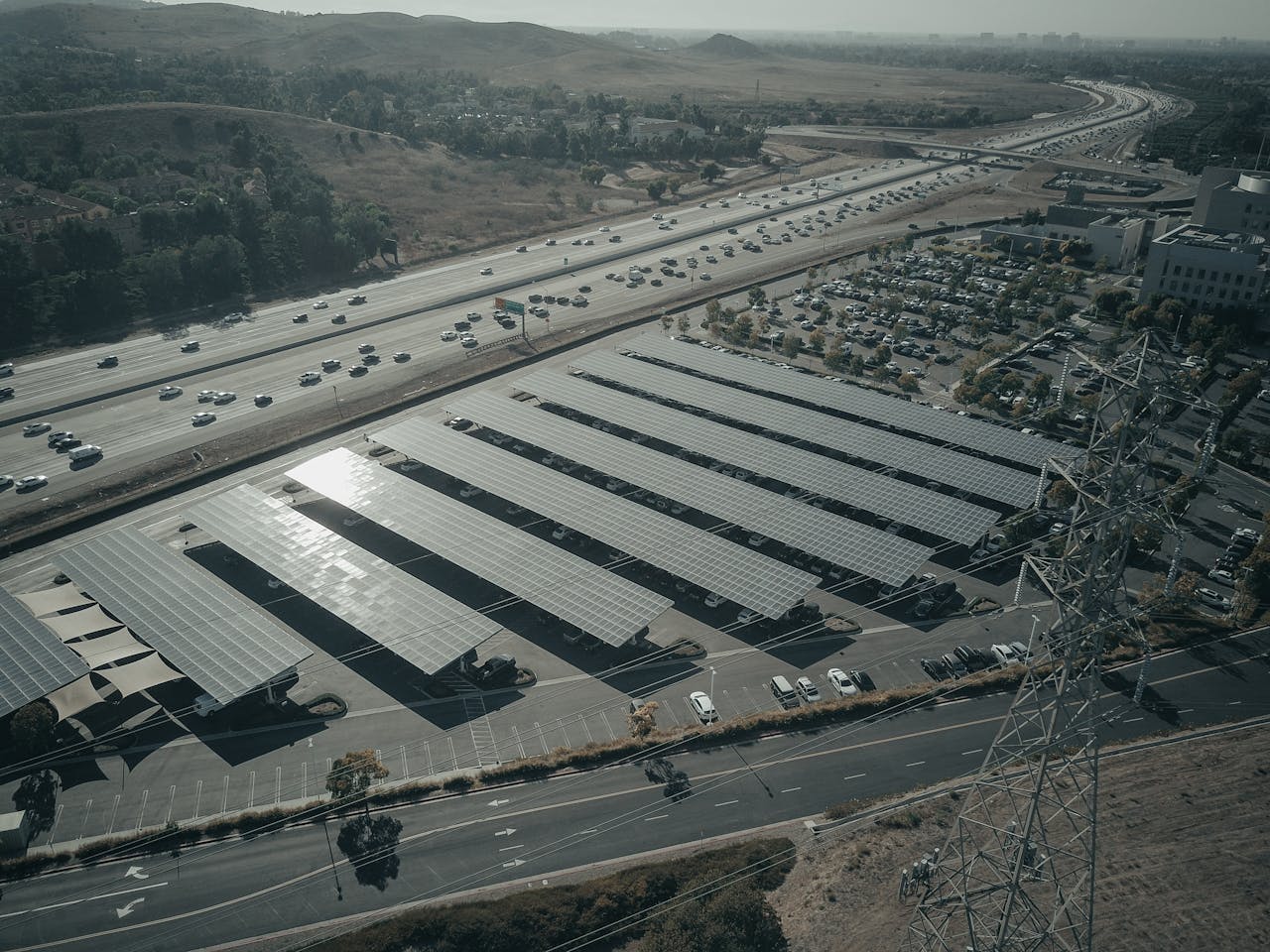
Energy costs are one of the biggest ongoing expenses for many businesses. Whether it’s a retail store, warehouse, office building, or manufacturing facility, electricity is essential for daily operations. As energy prices continue to fluctuate, more companies are seeking ways to manage these costs while becoming more environmentally responsible.
One solution that has gained significant attention in recent years is commercial solar installation. By harnessing solar energy, businesses can reduce reliance on traditional power sources and build a more stable, long-term energy strategy.
Beyond cost savings, solar energy also supports sustainability goals, making it an attractive option for companies that want to reduce their environmental impact.
Reducing Energy Costs Over Time
One of the most immediate benefits of commercial solar installation is the potential for long-term cost savings.
Businesses typically consume a large amount of electricity, especially during operating hours when energy demand is highest. Solar panels generate electricity during the day, which aligns perfectly with these peak usage times.
For example, a retail store that operates during daylight hours can use solar-generated electricity to power lighting, air conditioning, and point-of-sale systems. This reduces the amount of electricity purchased from the grid, leading to lower monthly energy bills.
Over time, these savings can add up significantly. While an initial investment is required for installation, many businesses find that the reduction in energy costs offsets this expense over the long term.
In industries such as manufacturing, where equipment runs continuously, the impact can be even greater. By generating their own power, companies can reduce operational costs and improve profitability.
This shift toward energy efficiency is part of a broader movement toward renewable energy, which focuses on using sustainable resources to meet energy needs.
Creating Predictable and Stable Energy Expenses
Another advantage of solar energy is the ability to create more predictable energy costs.
Traditional electricity prices can fluctuate due to factors such as market demand, fuel costs, and infrastructure changes. These fluctuations can make it difficult for businesses to accurately plan their budgets.
Solar energy, on the other hand, provides a level of consistency. Once a system is installed, the cost of generating electricity remains relatively stable.
For example, a warehouse that installs solar panels can better forecast its energy expenses because a portion of its electricity is self-generated. This stability allows business owners to plan their finances with greater confidence.
In many ways, this is similar to how companies manage other fixed costs. Locking in predictable expenses helps reduce financial uncertainty and supports long-term planning.
For businesses operating in competitive industries, controlling energy costs can provide a valuable advantage.
Supporting Sustainability Goals and Environmental Responsibility
Sustainability has become an important focus for many organizations. Customers, partners, and stakeholders increasingly expect businesses to take steps toward reducing their environmental impact.
Commercial solar installations support these goals by providing a clean, renewable source of energy.
Unlike fossil fuels, solar power does not produce harmful emissions during operation. This makes it an environmentally friendly alternative that helps reduce a company’s carbon footprint.
For example, a logistics company that installs solar panels on its warehouse roof can significantly reduce the emissions associated with its energy usage. Similarly, an office building powered partially by solar energy contributes to cleaner air and reduced environmental impact.
Many industries are adopting sustainable practices as part of their long-term strategies. From manufacturing to retail, businesses are finding ways to operate more efficiently while minimizing environmental harm.
Solar energy plays a key role in this transition by providing a practical, scalable solution.
Enhancing Business Reputation and Customer Trust
In today’s market, sustainability is not just an operational decision—it’s also a branding opportunity.
Businesses that invest in renewable energy often enhance their reputation among customers and partners. Consumers are increasingly drawn to companies that demonstrate environmental responsibility.
For example, a café that promotes its use of solar energy may attract customers who value eco-friendly practices. Similarly, a corporate office that adopts sustainable energy solutions can strengthen its brand image and appeal to environmentally conscious clients.
This shift is visible across many industries. Companies are highlighting their sustainability efforts in marketing campaigns, product packaging, and corporate communications.
By adopting solar energy, businesses can align themselves with these values and build stronger relationships with their audience.
Supporting Growth and Long-Term Investment
Commercial solar installation is not just about reducing costs—it’s also an investment in the future.
As businesses grow, their energy needs often increase. Installing a solar system enables companies to scale their energy capacity to support expansion.
For example, a manufacturing facility that plans to increase production can benefit from a solar system that offsets higher energy demand. This helps maintain cost efficiency even as operations expand.
Similarly, a commercial property owner can enhance the value of their building by incorporating energy-efficient systems. Properties with solar installations are often more attractive to tenants seeking to reduce operating costs.
For those exploring how solar solutions can support business growth and energy efficiency, options such as commercial solar installation in Melbourne offer insight into how systems can be tailored to meet different business needs.
Access to customized solutions enables businesses to align their energy strategy with their long-term goals.
Adapting to Changing Energy Trends
The global energy landscape is evolving, with a growing emphasis on sustainability and efficiency.
Governments, industries, and communities are working to reduce reliance on non-renewable energy sources. As part of this shift, businesses are encouraged to adopt cleaner energy solutions.
Commercial solar installation allows companies to stay ahead of these changes. By investing in renewable energy now, businesses can position themselves for future regulations and market expectations.
For example, companies that adopt solar energy early may benefit from incentives or cost savings that are not available later. They also gain experience in managing sustainable energy systems, which can be an advantage as energy standards continue to evolve.
This forward-thinking approach helps businesses remain competitive in a rapidly changing environment.
Also Read: Solar Battery Storage Tips for Every Homeowner
A Practical Step Toward Sustainable Success
Commercial solar installations offer a combination of financial and environmental benefits that make them an attractive option for modern businesses.
By reducing energy costs, creating stable expenses, and supporting sustainability goals, solar energy provides a well-rounded solution for long-term success.
It allows businesses to operate more efficiently while contributing to a cleaner and more sustainable future.
As more companies recognize these advantages, the adoption of commercial solar systems continues to grow across industries.
In the end, investing in solar energy is not just about saving money—it’s about building a resilient, forward-looking business prepared for the challenges and opportunities of the future.


About the Author