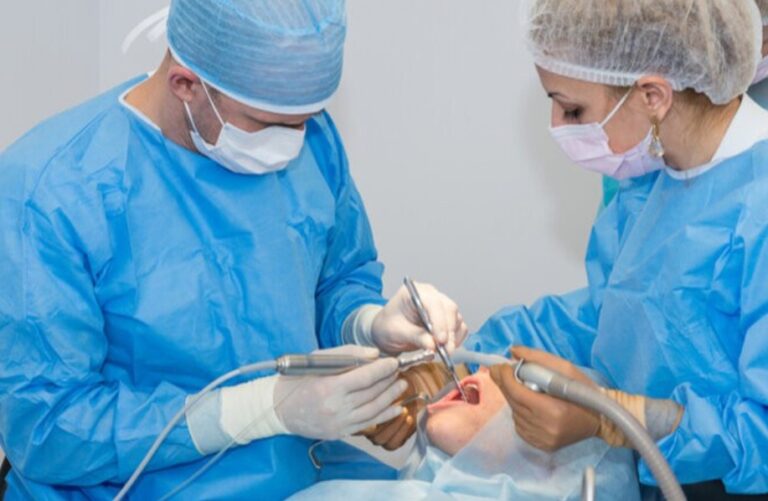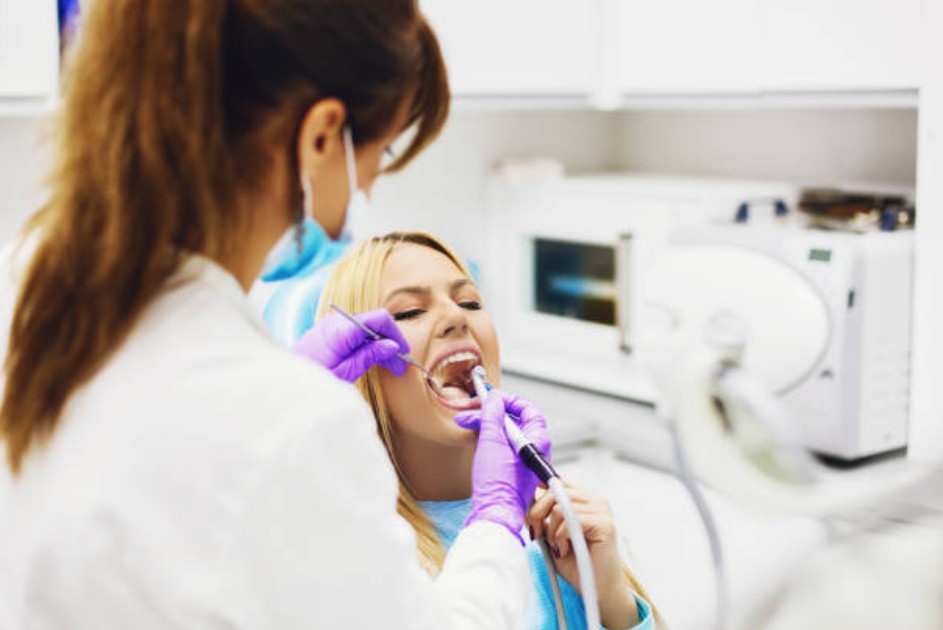
Dental emergencies hit fast. A tooth cracks. A child wakes up crying in pain. You feel scared and alone. You can lower that risk. You do not need special tools or special training. You only need steady habits and the right support from a trusted dentist in North Scarborough. This blog explains four simple services that keep small problems from turning into long nights in the emergency room. You will see how regular checkups, cleanings, preventive treatments, and early repair protect your family. Each service does one clear thing. It spots trouble early. It stops decay. It strengthens weak teeth. It fixes damage before it spreads. You gain fewer surprises, fewer missed school days, and fewer sudden bills. You also gain calm. You know what to expect and what to do. That sense of control is the strongest protection you can give your family.
1. Regular checkups catch problems early
Small tooth problems grow fast. A tiny cavity can turn into a deep infection. A loose baby tooth can hide an adult tooth that is growing in the wrong place. Regular checkups give you early warning. You get time to act before pain starts.
During a checkup, the dentist can:
- Look for small cavities and cracks
- Check gums for swelling or bleeding
- Review jaw growth and bite in children
- Watch for signs of teeth grinding or injury
Evidence shows that routine visits lower the chance of urgent treatment. The Centers for Disease Control and Prevention explains that untreated cavities in children often lead to pain and infection that need urgent care. You can read more in their summary on children’s oral health at CDC Children’s Oral Health.
Think of checkups as safety checks for your mouth. You use them to find hidden trouble. You also use them to ask questions and plan next steps.
2. Professional cleanings remove hidden plaque
Brushing and flossing help. They still miss spots. Plaque hardens into tartar. That buildup triggers gum disease and decay. Professional cleanings remove what you cannot reach at home.
During a cleaning, the dental team can:
- Scrape away tartar above and below the gumline
- Polish teeth so plaque has a harder time sticking
- Show you better brushing and flossing methods
Gum disease is a common cause of tooth loss in adults. Tooth loss often starts with minor bleeding gums. It then turns into loose teeth and sudden tooth pain. The National Institute of Dental and Craniofacial Research gives clear facts on gum disease at NIDCR Gum Disease Information.
Cleanings protect you in three ways. They cut down on bacteria. They lower the chance of deep infection. They help you form better home habits that last.
3. Preventive treatments strengthen teeth
Some treatments act like shields. They do not fix damage. They stop it from starting. These preventive services are simple and quick. They work well for children and adults.
Common preventive options include:
- Fluoride treatments that harden tooth enamel
- Sealants on the chewing surfaces of back teeth
- Custom mouthguards for sports or teeth grinding
Fluoride helps teeth resist acid attacks from food and bacteria. Sealants cover the deep grooves that trap food in children’s molars. Mouthguards protect teeth during contact sports and from night grinding that can crack teeth.
You can use these tools to lower the chance of:
- Sudden tooth fractures
- Painful cavities in new adult teeth
- Infections from deep decay
4. Early repair stops small damage from spreading
Waiting rarely helps a tooth. A small chip or mild sensitivity might seem harmless. With time, that weak spot often turns into a broken tooth or deep cavity. Early repair keeps the problem small and less painful.
Common early repair services include:
- Simple fillings for small cavities
- Bonding to fix chipped edges
- Crowns for cracked or heavily filled teeth
Early repair has three key benefits. It uses less drilling. It costs less than major treatment. It lowers the risk of a sudden toothache or abscess that needs an emergency visit.
How these services work together
Each service helps on its own. Together, they form a strong shield. The pattern is simple. You catch problems early. You clean away what causes disease. You protect weak spots. You repair damage before it spreads.
How preventive care cuts emergency risk
| Service | Main goal | Example emergency it can help prevent |
|---|---|---|
| Regular checkups | Find problems early | Severe toothache from a cavity that went unnoticed |
| Professional cleanings | Remove plaque and tartar | Sudden gum infection with swelling and pain |
| Preventive treatments | Strengthen and shield teeth | Broken tooth during sports or deep decay in new molars |
| Early repair | Fix small damage fast | Cracked tooth that needs urgent extraction or root treatment |
Simple steps you can take today
You can start with three basic actions.
- Set a schedule. Plan checkups and cleanings for your family every six months. Use a shared calendar and reminders.
- Build home habits. Brush twice a day with fluoride toothpaste. Floss once a day. Help young children until they can tie their shoes on their own.
- Act on early signs. Call your dentist if you notice chips, swelling, sensitivity to heat or cold, or bleeding gums.
Each step gives you more control. Each step lowers the chance of late-night pain and rushed trips to urgent care. With steady care and support from a trusted dentist, your family can face fewer dental emergencies and more quiet nights of rest.


About the Author